Year 1

Curriculum Overview

Autumn Term

Maths

Autumn 1

Place Value within 10

Addition within 10

Count in 10’s.

Autumn 2

Addition/Subtraction

Subtraction within 10

Length and height 

Shape

Count in 10’s.  Number bonds to 10.

English

In our English lessons we will be focusing on a book and will learn different grammar, punctuation and spelling skills to create an outcome for an intended audience.

Super Duper You (fiction) 

Families, Families, Families (non-fiction) 

Little Red Hen (fiction)

We're going on a Lion Hunt (fiction)

Science

Animals Including Humans

- I can name a variety of common animals.

- I understand carnivore, herbivore and omnivore.

- I can identify the main parts of the human body.

- I can explore human senses.

- I compare the structure of a variety of animals

History

How am I making history?

The 'How am I making history?' unit helps pupils develop an understanding of chronology by exploring their own lives and building an awareness that timelines extend beyond their birth.

Art and DT

DT: Autumn 1

Puppets 

To know that ‘joining technique’ means connecting two pieces of material together

To know that there are various temporary methods of joining fabric by using staples. glue or pins

To understand that different techniques for joining materials can be used for different purposes

To understand that a template (or fabric pattern) is used to cut out the same shape multiple times

 To know that drawing a design idea is useful to see how an idea will look

Art: Autumn 2

Key Artists: Bridget Riley, Jasper Johns

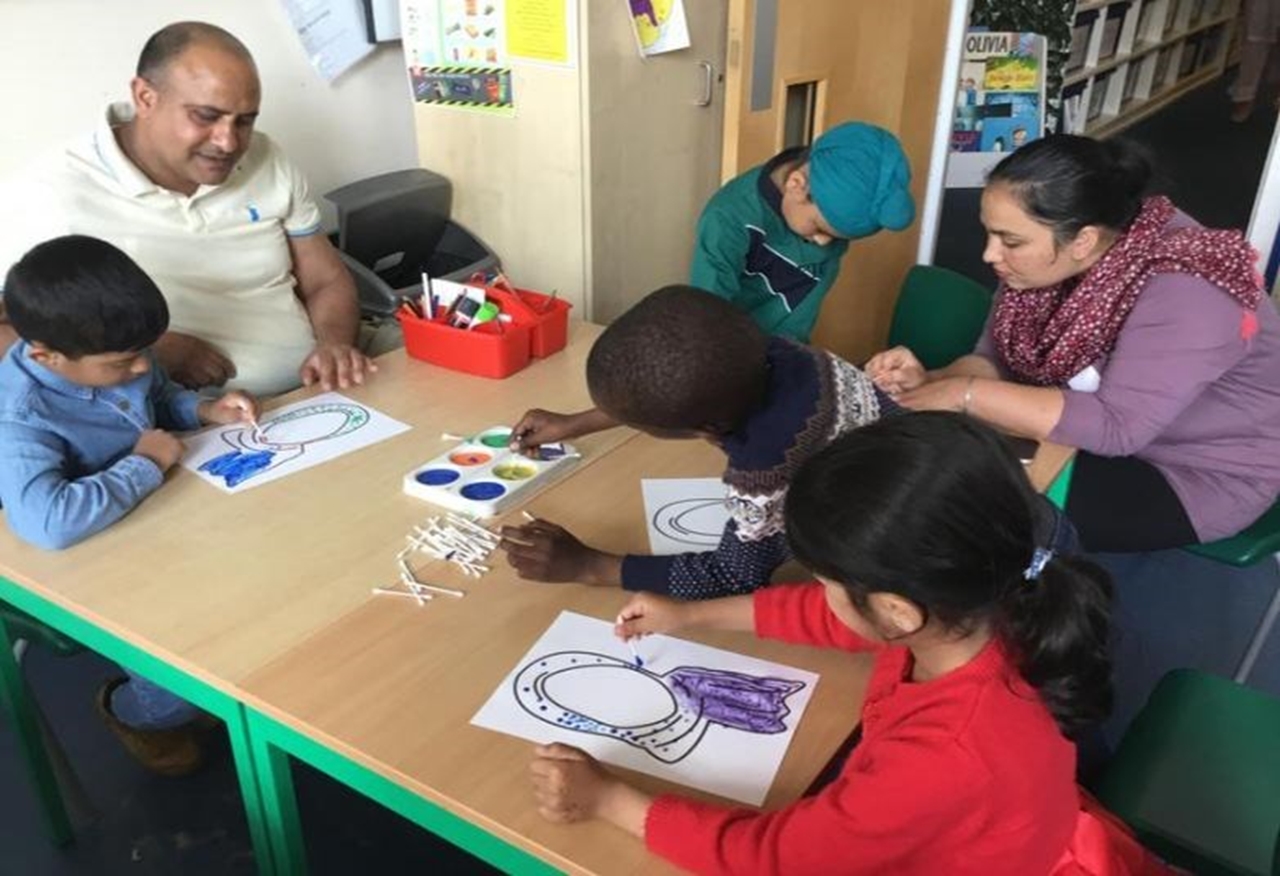
- I can create abstract art using shape and colour.

- I can create line drawings using different types of lines.

- I can create a water effect with lines and different materials.

- I can make secondary colours.

- I can paint with colours.

Music

Children will have a music session with Mr Shepherd learning about tempo, dynamics, pitch and volume. 

P.E

Autumn 1 

Fundamental movements

Autumn 2 

Gymnastics

Computing

Autumn 1

Year 1 Computing: Improving Mouse Skills

Key Skills:

Learning how to explore and tinker with hardware to find out how it works.

Learning where keys are located on the keyboard.

Using a basic range of tools within graphic editing software.

Developing control of the mouse through dragging, clicking and resizing of images to create different effects.

Developing understanding of different software tools.

Recognising devices that are connected to the internet.

Logging in and out and saving work on their own account.

Autumn 2

Year 1 Computing: Algorithms Unplugged

Key Skills:

Recognising that some devices are input devices and others are output devices.

Learning that decomposition means breaking a problem down into smaller parts.

Using decomposition to solve unplugged challenges.

Developing the skills associated with sequencing in unplugged activities.

Following a basic set of instructions.

Assembling instructions into a simple algorithm.

Learning to debug instructions when things go wrong.

Learning to debug an algorithm in an unplugged scenario.

Geography

Where in the world are we?

  • What can we see in our classroom?
  • What can we find in our school grounds?
  • Where are the different places in our school?
  • How do we feel about our playground?
  • How can we make our playground even better?

R.E

Autumn 1

What do Christians believe God is like?

I can understand how Christians believe in God.

I can identify what a parable is.

I can explore how God is like a father.

I can explore Christian beliefs about God.

I can understand how God is forgiving.

I can understand how it feels to forgive

Autumn 2

Why is Christmas important for Christians?

I can plan for a new arrival.

I can retell the nativity – roleplay.

I can retell the nativity – storyboard.

I can name some symbols of Christmas.

I can group religious and non-religious symbols of Christmas.

I can create ‘thank you’ prayers.

P.S.H.E

Autumn 1:

Family and Relationships 

I can understand that families look after us.

I can begin to understand the importance and characteristics of positive friendships.

I can recognise how others show feelings and how to respond.

I can begin to understand how relationships can make us feel.

I can begin to understand that friendships can have problems but we can overcome them.

I can begin to understand that being friendly to others makes them feel welcome and included.

I can begin to understand what is meant by a stereotype.

Autumn 2:

Health and wellbeing 

I can describe and understand my feelings and develop simple strategies for managing them.

I can recognise and celebrate my strengths and set simple but challenging goals.

I can understand the benefits of physical activity and rest.

I can know how to relax in different ways.

I can begin to understand how germs are spread and how we can stop them spreading.

I can begin to understand the risks associated with the sun.

I can begin to understand allergies.

I can understand that there are people in the local community who help to keep us healthy.

Spring Term

Maths

Spring 1

Place Value within 20

Addition within 20

Addition/subtraction

Count in 10’s and 2’s.  Number bonds to 10.

Spring 2

Subtraction within 20

Place value within 50

Mass and volume

Count in 10’s and 2’s.

English

In our English lessons we will be focusing on a book and will learn different grammar, punctuation and spelling skills to create an outcome for an intended audience.

Spring 1:

On The Way Home
The Very Hungry Caterpillar 
Spring 2:

Traction Man

Grandad's Island (The Write Stuff)

Science

Spring 1

Everyday materials

I can name a variety of everyday materials

I can say what material an object is made from

I can describe the properties of materials

I can explore if a material is waterproof

I can explore if a material is absorbent 

I can classify a material according to its properties

History

How have toys changed?

'How have toys changed?', deepens this understanding by examining the past and future through a familiar object – the teddy bear – to support the development of pupils' concept of time.

Geography

What is the weather like in the UK?

Where is the UK?

What are the four seasons?

What are the compass directions?

What is the weather like today?

Is the weather the same everywhere in the UK?

How do people prepare for the weather

Art and DT

Design and Technology Spring 1: Making a Moving Story Book 

Key Skills:

  • Explaining how to adapt mechanisms, using bridges or guides to control the movement
  • Designing a moving story book for a given audience

Art Spring 2: Art Skills

Talk about the skills they have used and how different media produce different results.

  • I can print
  • I can mix different shades of a colour
  • I can make a print
  • I can make a print
  • I can experiment with different media

Music

Spring 1

Children will have a music session with Mr Shepherd learning about tempo, dynamics, pitch and volume. 

Spring 2

Pitch and Tempo

What does pitch mean?

Can you play a high pitched/low pitched sound?

What does tempo mean?

Is this tempo getting faster/slower?

P.E

Spring 1

Target games (throwing and catching)

Spring 2

Agility

Computing

Digital Imagery

Key Skills:

  • Learning how to explore and tinker with hardware to find out how it works.
  • Learning where keys are located on the keyboard.
  • Learning how to operate a camera to take photos and videos.
  • Developing the skills associated with sequencing in unplugged activities.
  • Using a basic range of tools within graphic editing software.
  • Taking and editing photographs.
  • Developing control of the mouse through dragging, clicking and resizing of images to create different effects.
  • Developing understanding of different software tools.
  • Searching and downloading images from the internet safely.

When using the internet to search for images, learning what to do if they come across something online that worries them or makes them feel uncomfortable.

R.E

Spring 1

Celebrations (Hinduism and Islam)

I can say why and how we celebrate and how we feel during celebrations.

I can talk about a character from a story.

I can say how Hindus celebrate Diwali.

I can talk about what happens during Eid-ul-Fitr.

I can show my learning about Eid-ul Fitr.

I can say what I have learned about religious festivals.

Spring 2

Easter (Christianity)

I can sequence the events of Holy Week.

I can say what is happy and sad about the Easter story.

I can say which Christian traditions apply to each part of the Easter story (Visitor).

I can recall what Christians do at Easter.

I can talk about Jesus’ resurrection.

I can talk about feelings.

P.S.H.E

Spring 1

Safety and the Changing Body

I can know how to respond to adults in a safe and familiar context

I can understand how to respond to adults in a range of situations

I can understand what to do if you get lost

I can know what an emergency is and how to make a phone call if needed

I can begin to understand the difference between acceptable and unacceptable physical contact

I can begin to understand what is safe to put into or onto our bodies

I can understand that there are dangers at home and how these can be avoided

I can understand that there are people in the local community who help to keep us safe

Spring 2

Citizenship 

I can begin to understand the importance of rules

I can understand that animals have different needs and how to care for them

I can begin to understand the needs of babies and young children

I can begin to recognise ways in which we are the same and different to other people  I can understand the range of groups people belong to

I can begin to understand how democracy works

Summer Term

Maths

Summer 1

Multiplication

Multiplication/Division

Division

Money

Count in 10’s, 2’s and 5’s

Summer 2

Time

Fractions

Positions and direction

Place value within 100

Count in 10’s, 2’s and 5’s

English

In summer term we will be following 'The Write Stuff'. 

Science

Plants

I can name a variety of plants

I can name a variety of garden plants, fruits and vegetables

I can compare different types of trees

I can describe the basic structure of a plant

I can identify seeds in a plant

I can observe the growth of a plant

History

What is a monarch?

Art and DT

Summer 1

Design Technology 

Structures: Constructing a Windmill

Inspired by the song, ‘Mouse in a windmill’, children design, decorate and build a windmill for their mouse client to live in, developing an understanding of different types of windmills, how they work, and their key features.

Key Skills:

  • Learning the importance of a clear design criteria
  • Including individual preferences and requirements in a design

Art

Sculptures and collages 

Key Artists: William Morris, John Dearle, Andy Goldsworthy, Louise Bourgeois

Summer 2.

Art

Key Artists: Pierre Auguste Renoir, Joaquín Sorolla, Peder Severin Krøyer, Vincent Van Gogh

R.E

Summer 1:

Sikh Gurus (Sikhism)

I can identify objects that are special for Sikhs.

I can talk about why Guru Nanak’s birthday is special.

I can retell the story of Guru Nanak and the Sacred Thread.

I can retell the story of Guru Har Gobind and the cloak.

I can retell the story of Dunni Chand and the Needle.

I can talk about the hidden meaning in Sikh stories.

Summer 2:

Gurdwara (Sikhism)

I know what Sikh symbols represent.

I can say why a langar is important.

I can talk about Sikh values.

I know why a Gurdwara is important.

I know the key features of a Gurdwara.

Music

Summer 1

Musical vocabulary 

Summer 2

Vocal and body sounds 

P.S.H.E

Summer 1

Economic Wellbeing 

I can discover what money is and how it helps us.

I can consider ways to keep coins safe.

I can recognise the purpose of banks and building societies.

I can begin to understand the differences between spending and saving money.

I can identify the different job roles adults have in school.

I can identify and describe different jobs.

Summer 2

Transition

Transition Day: I can think about my individual strengths and prepare to move to my new class

Geography

What is it like to live in Shanghai? 

Computing

Summer 2

Programming (Bee-bots)

Key Skills: Learning how to explore and tinker with hardware to find out how it works. Learning how to operate a camera to take photos and videos.

Using decomposition to solve unplugged challenges.

Using logical reasoning to predict the behaviour of simple programs.

Developing the skills associated with sequencing in unplugged activities.

Following a basic set of instructions.

Assembling instructions into a simple algorithm. Programming a floor robot to follow a planned route.

Learning to debug instructions when things go wrong.

Using programming language to explain how a floor robot works.

Learning to debug an algorithm in an unplugged scenario.

Taking and editing photographs.

P.E

Summer 1

Ball games

Summer 2

Athletics  

Homework

Maths and English Activity Books

Children will be asked to complete a page per week from these books. Homework will be set on a Friday and due in the following Tuesday. 

Topic Homework

Children will be asked to complete a task based on their learning in curriculum lessons. Homework will be set every two weeks on a Friday and due in the following Tuesday.

It is important that all books sent home are brought back into school in a good condition so that work can be marked. If you need stationary to help complete homework, please speak to the class teacher. 

We thank you for supporting us with your child’s learning. 

Trips and Events

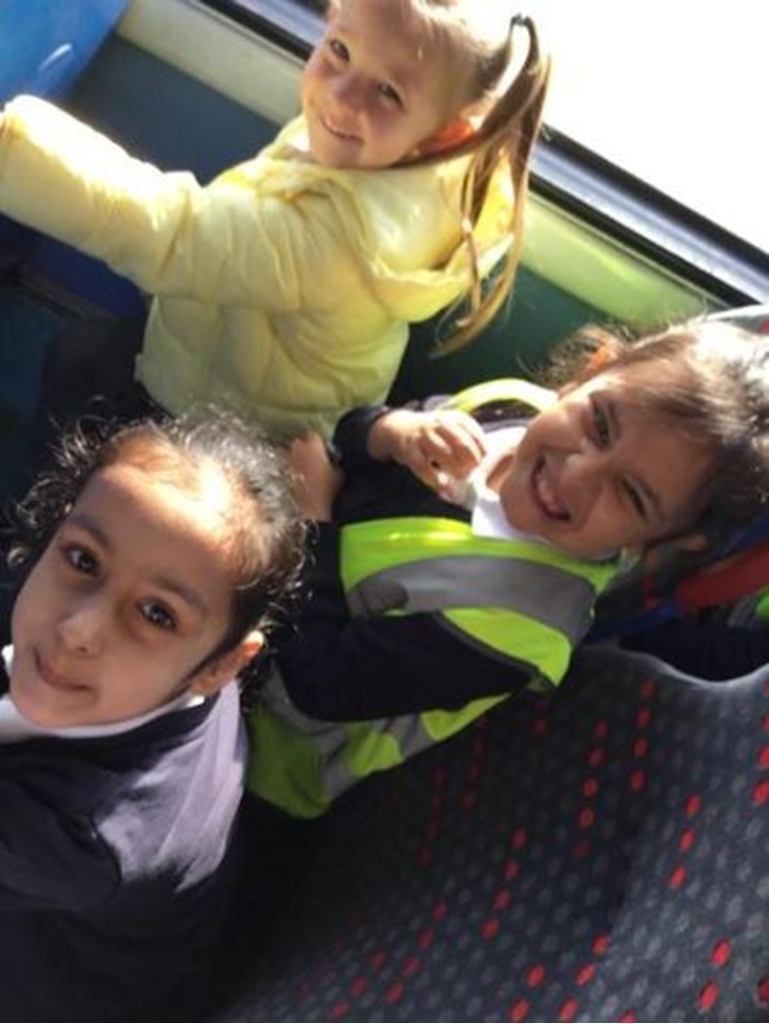
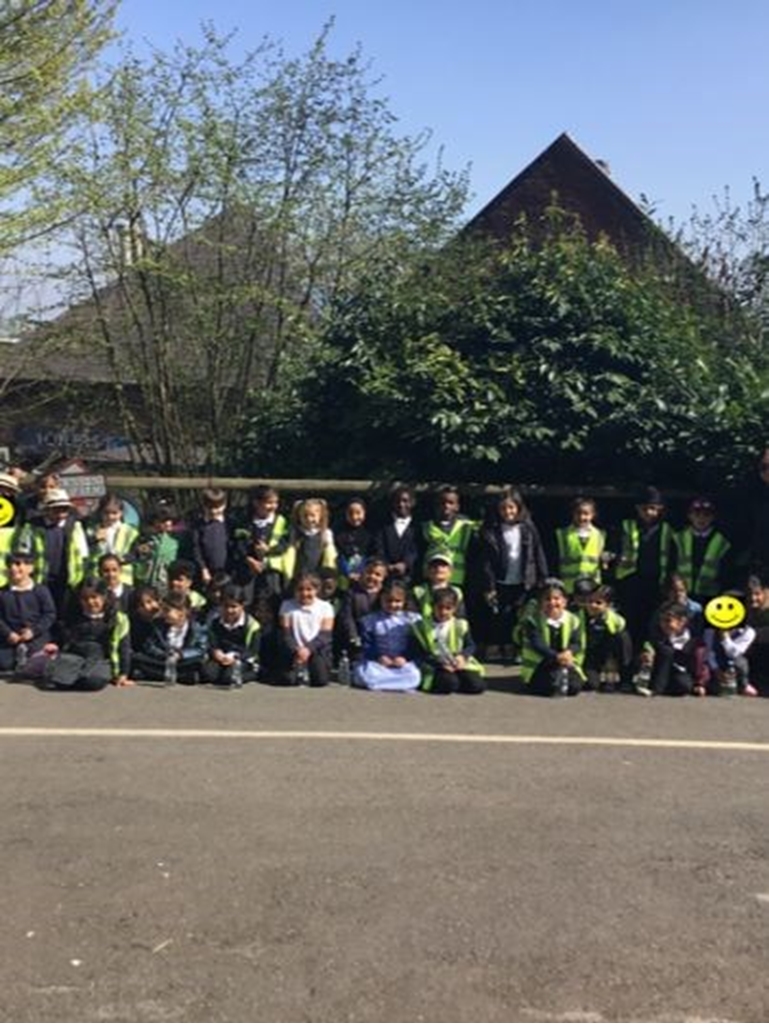
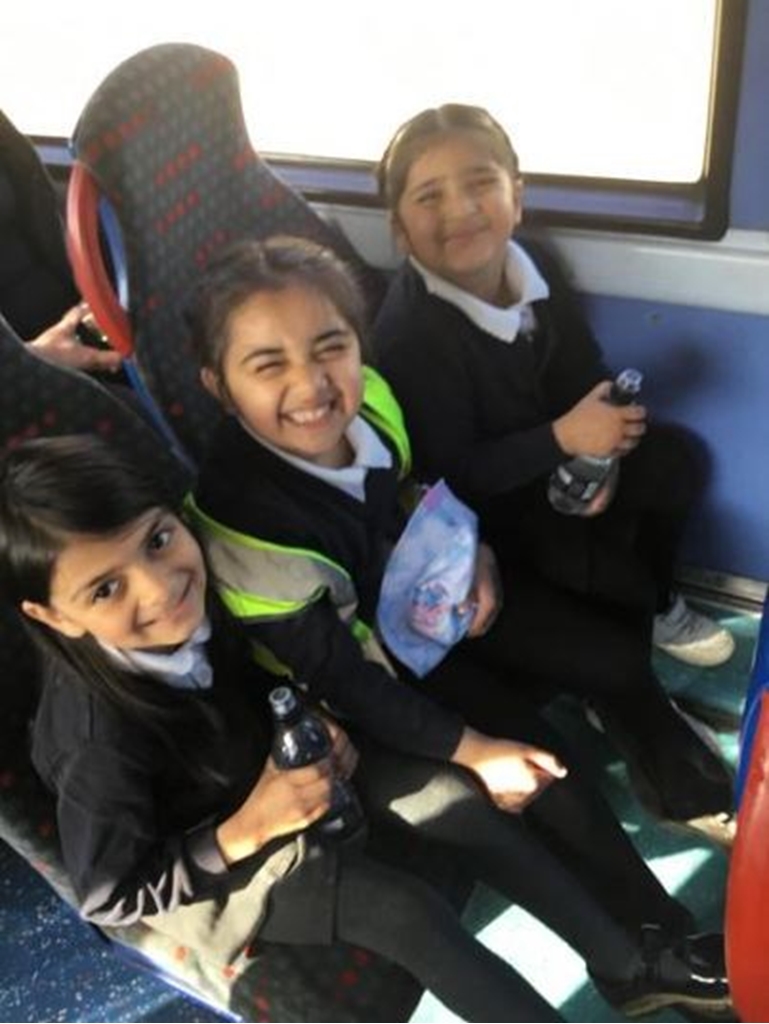
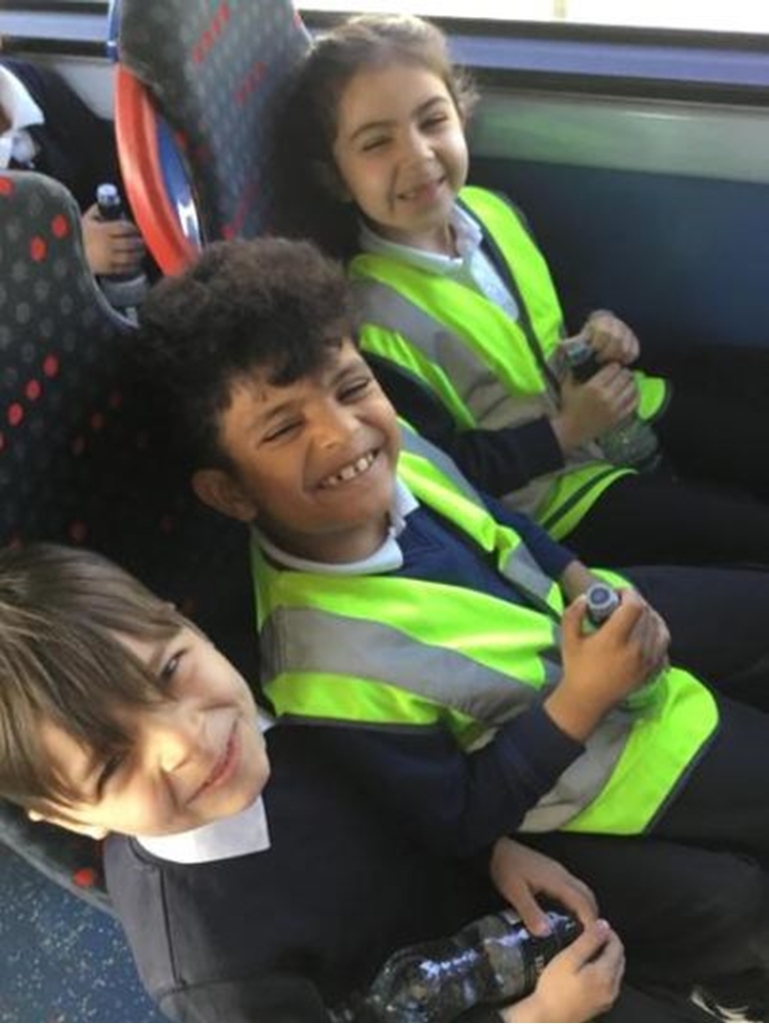
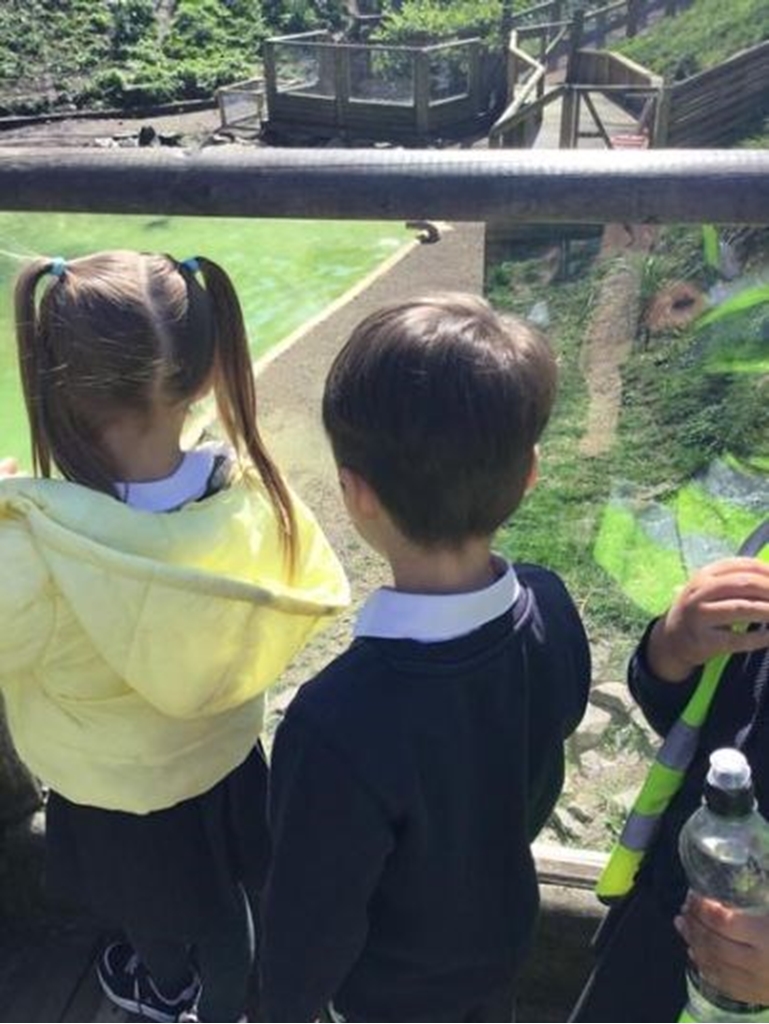
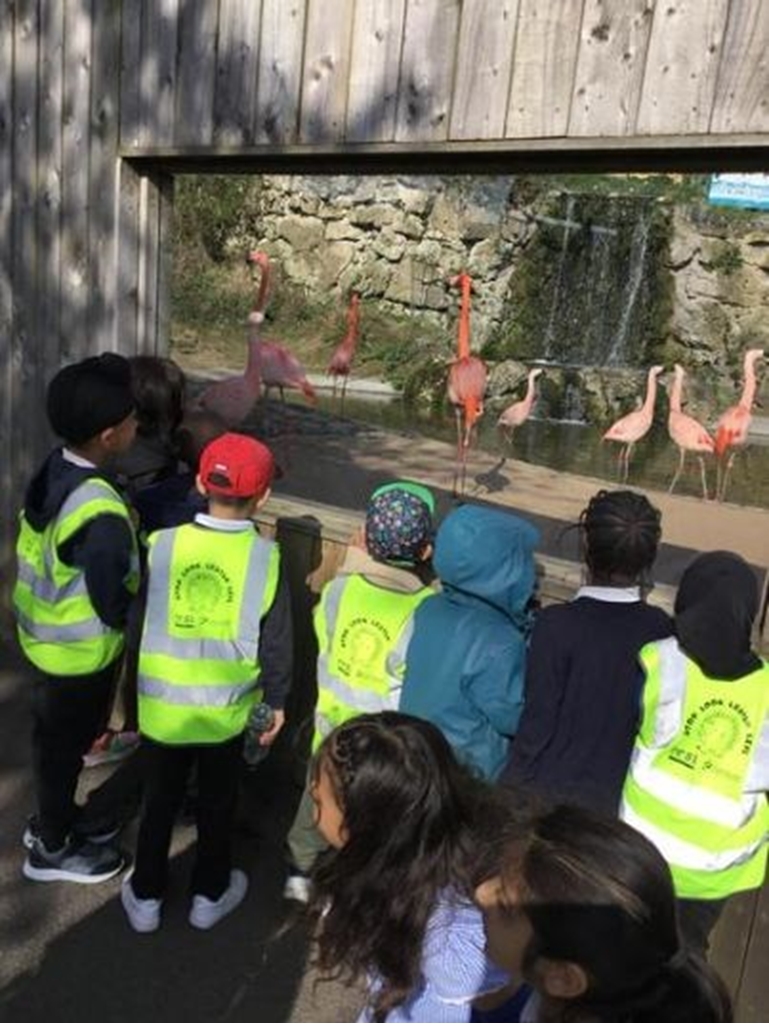
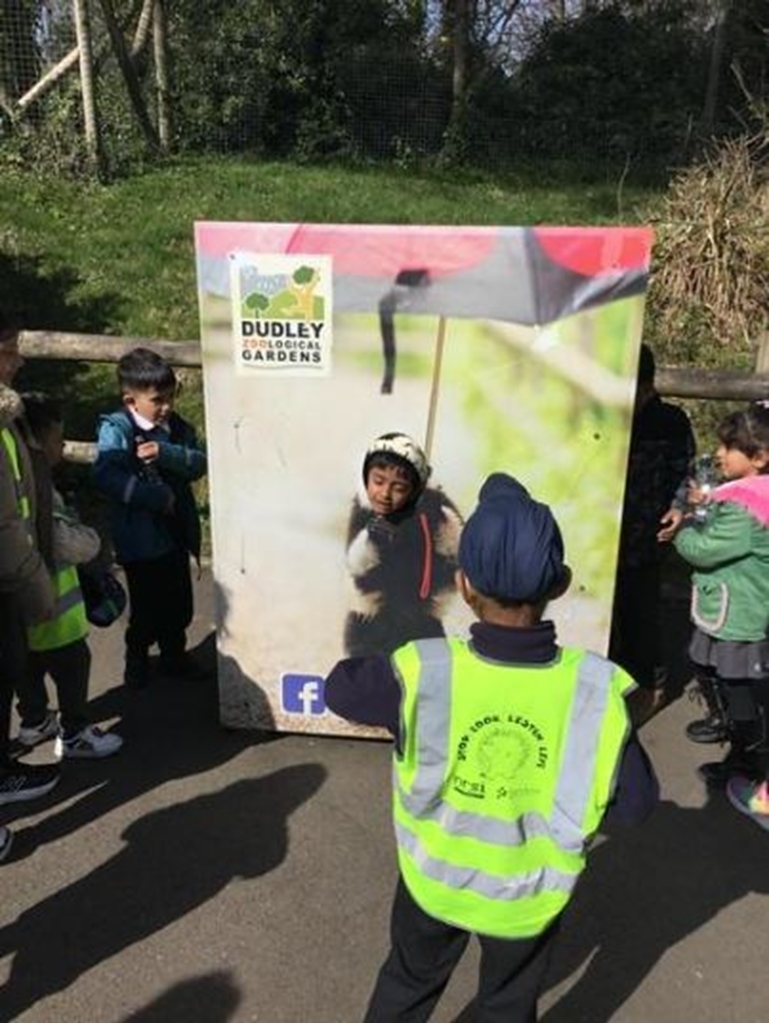
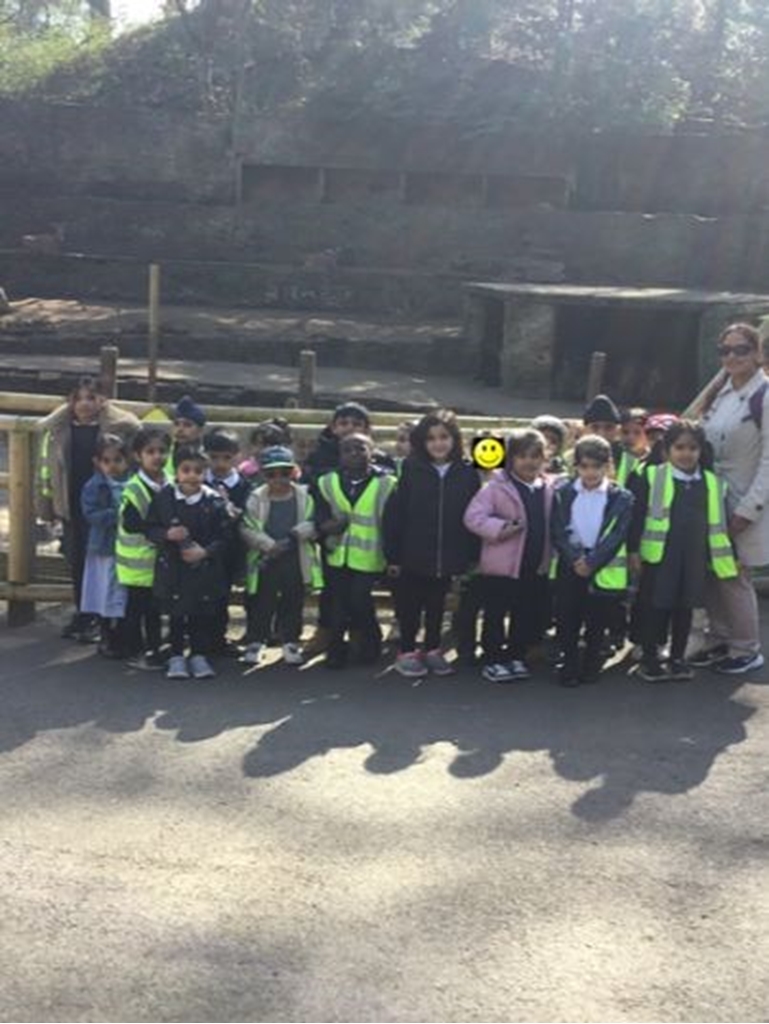
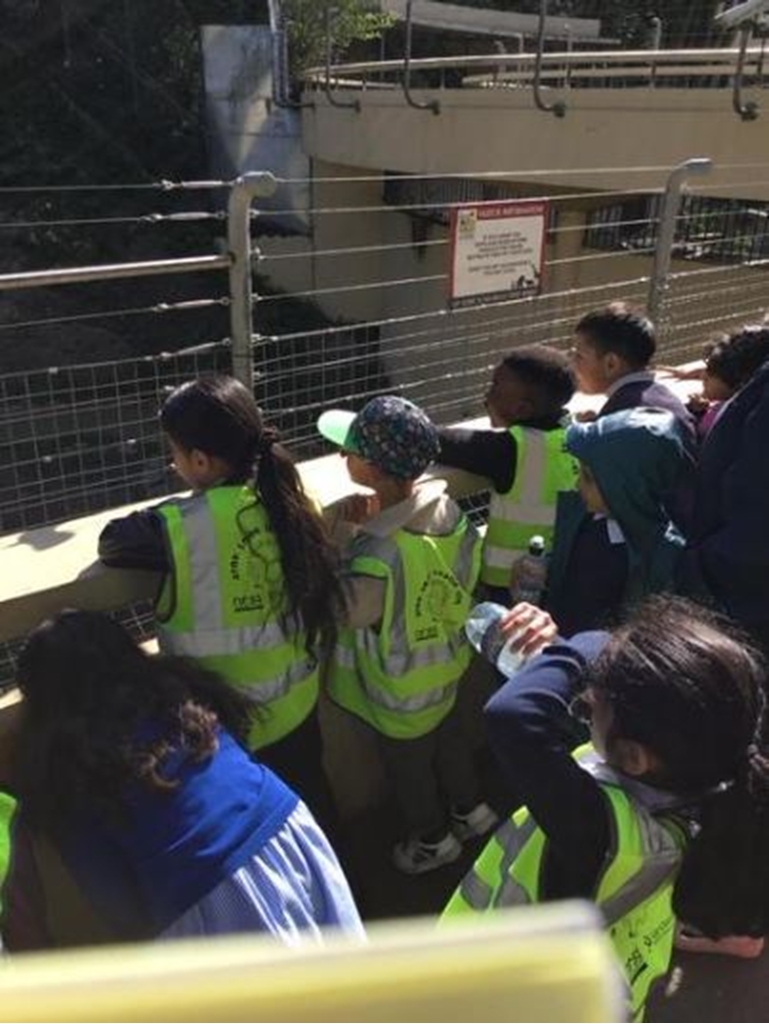
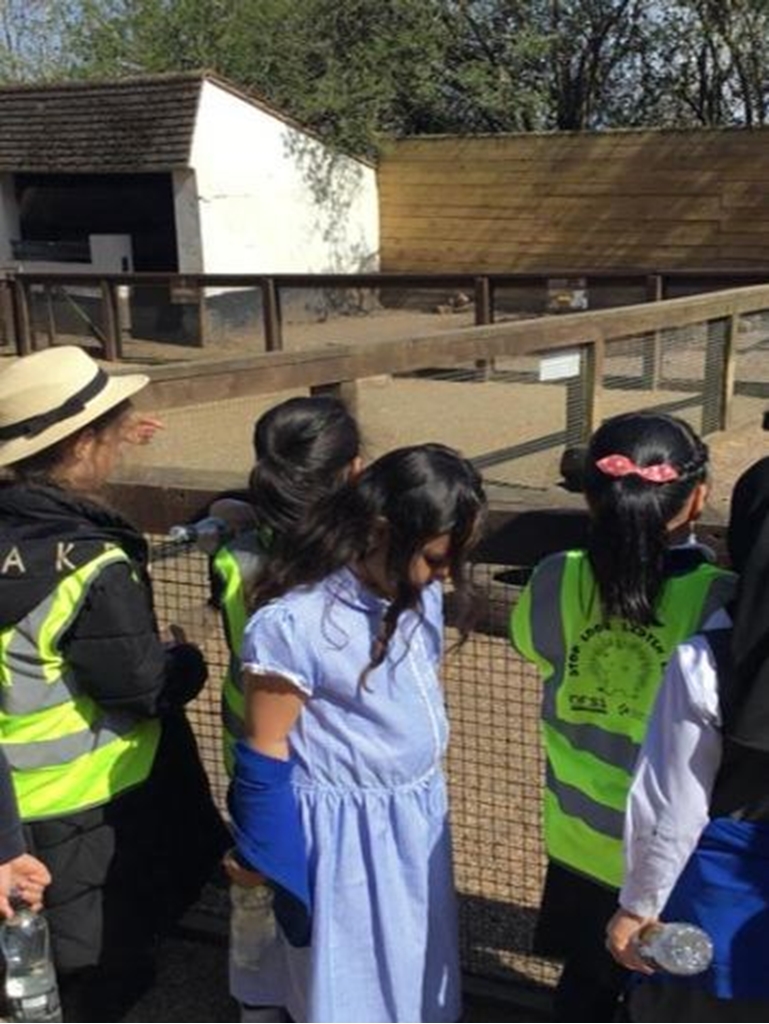
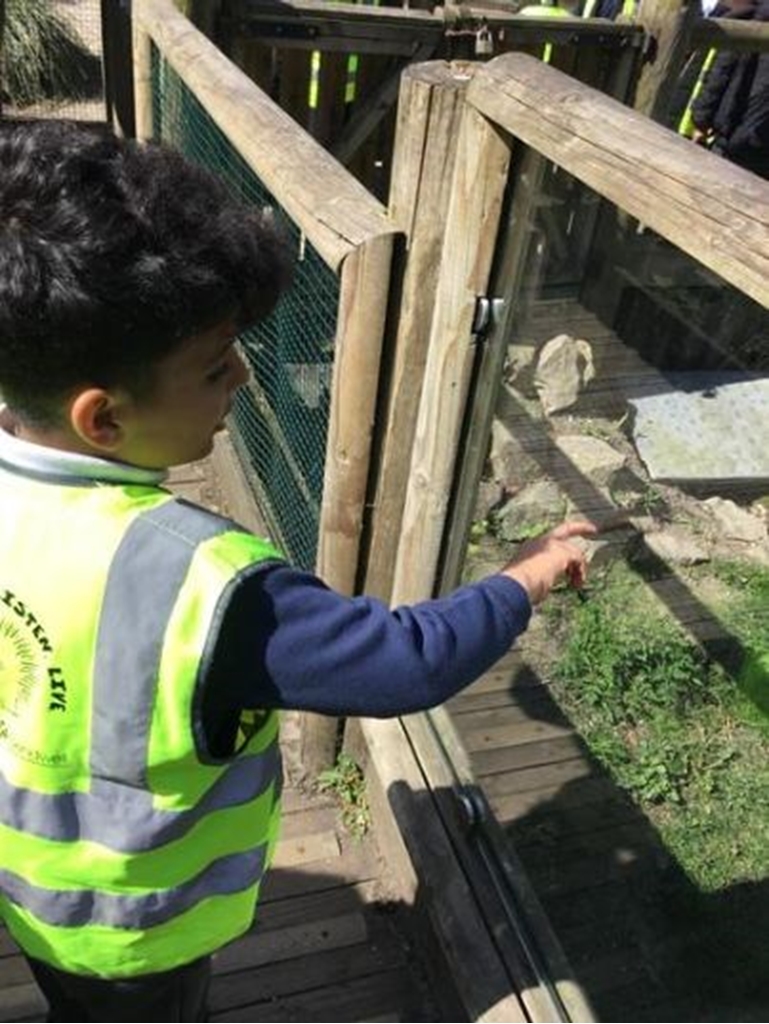
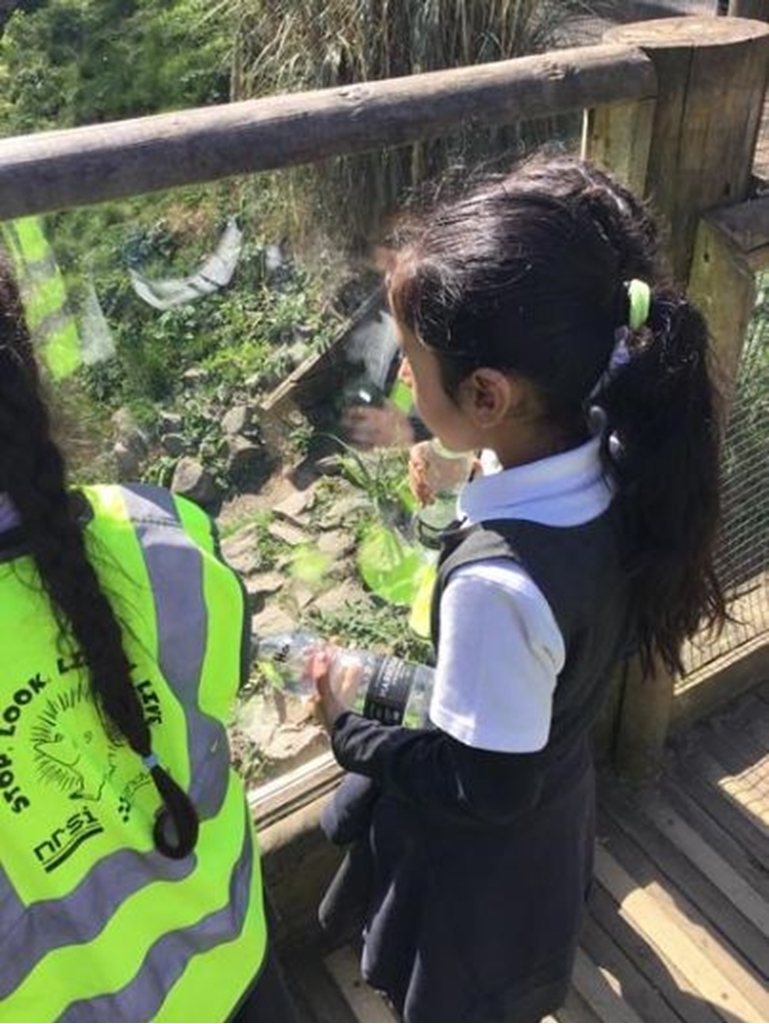
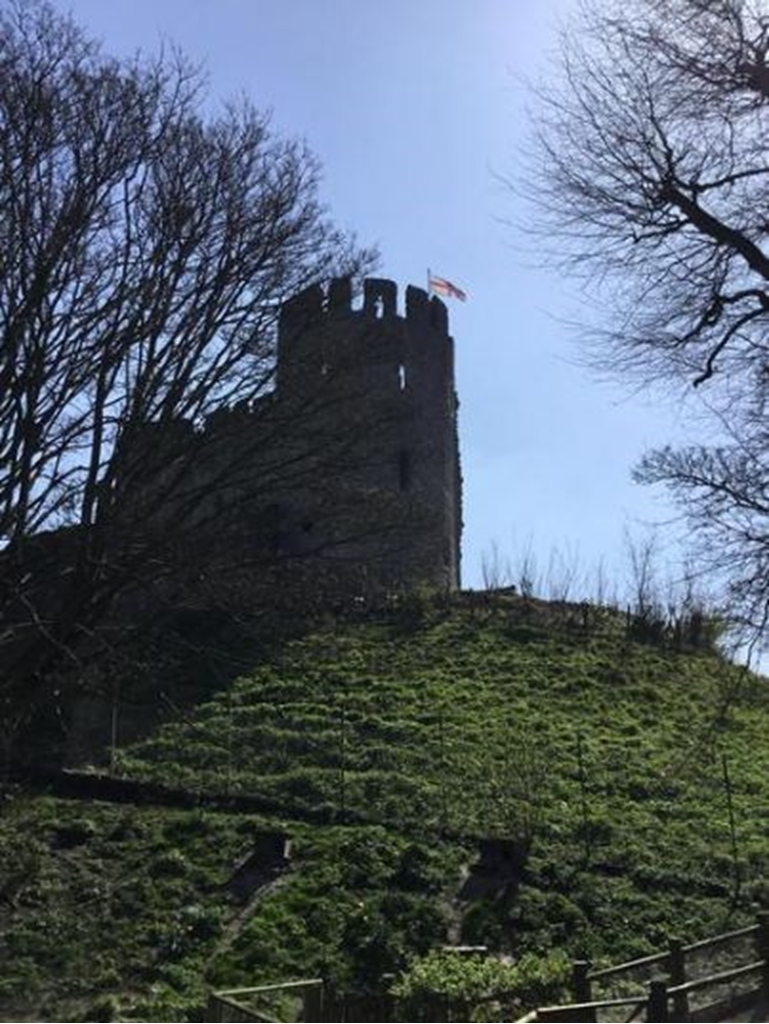
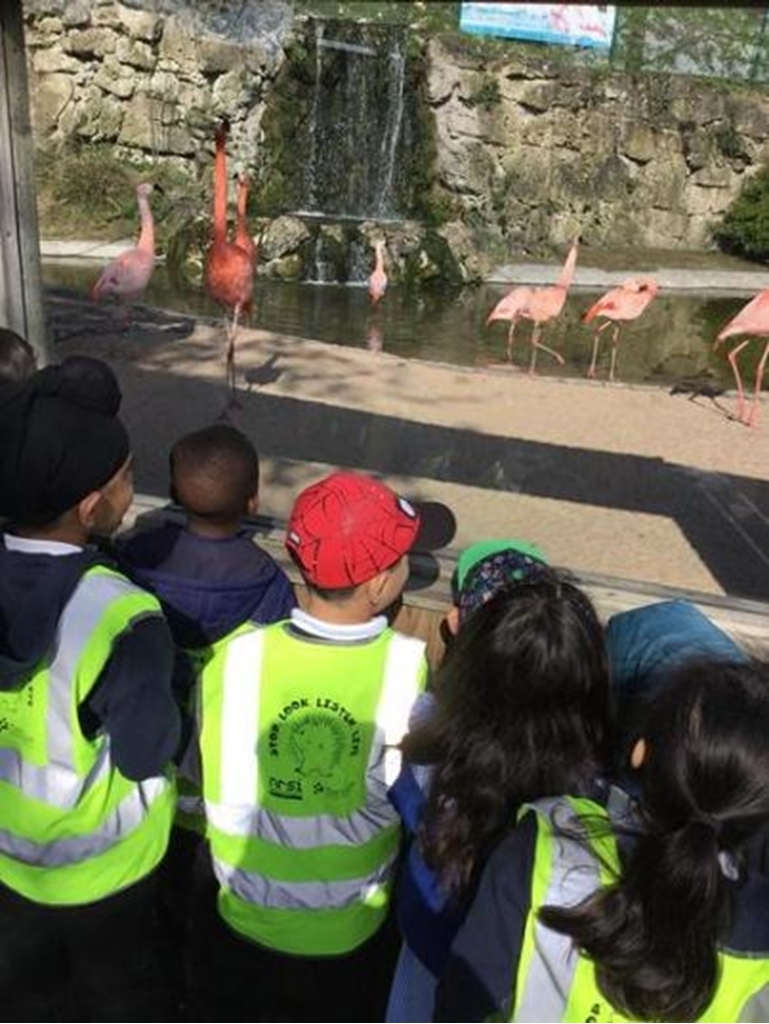
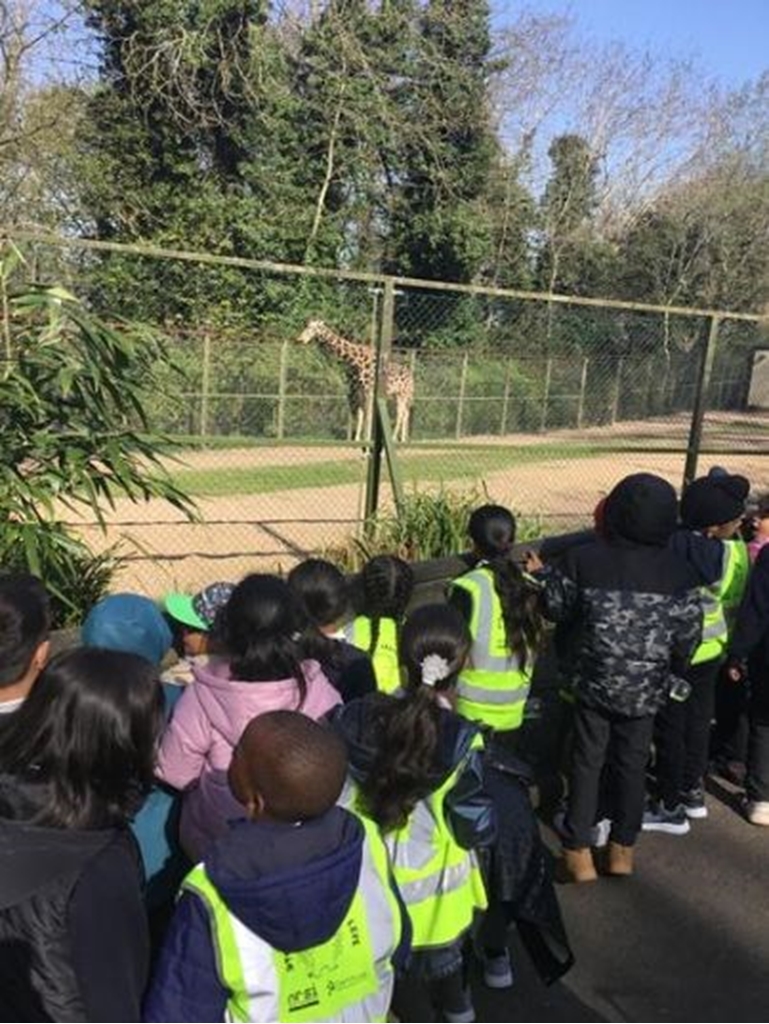
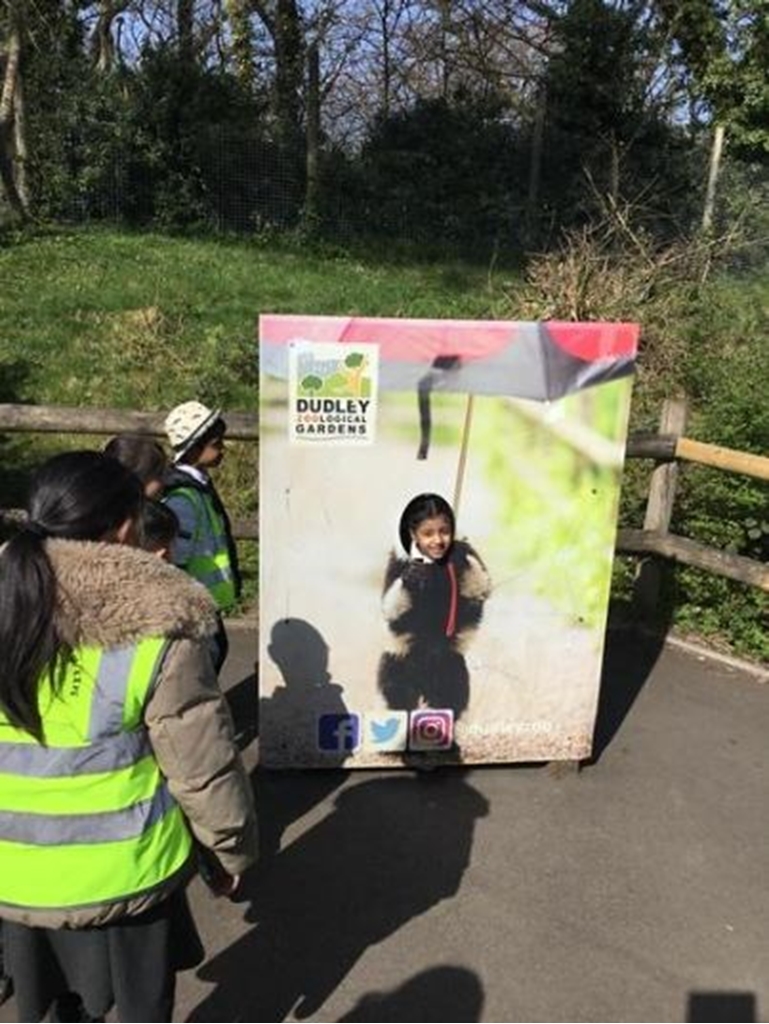
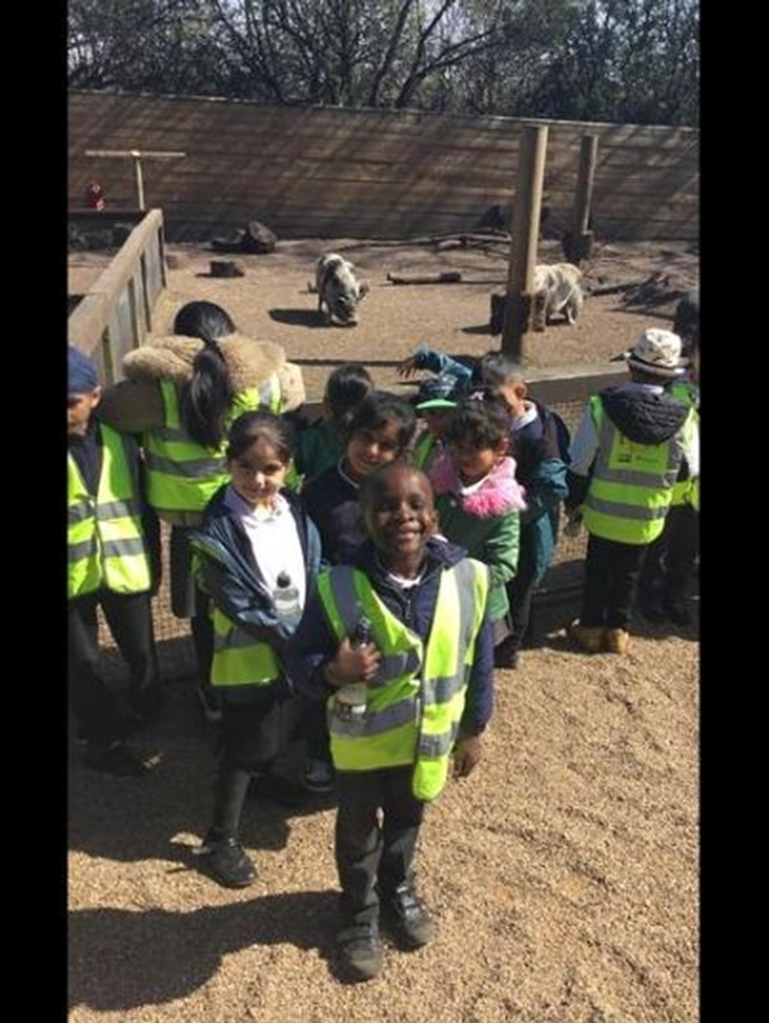
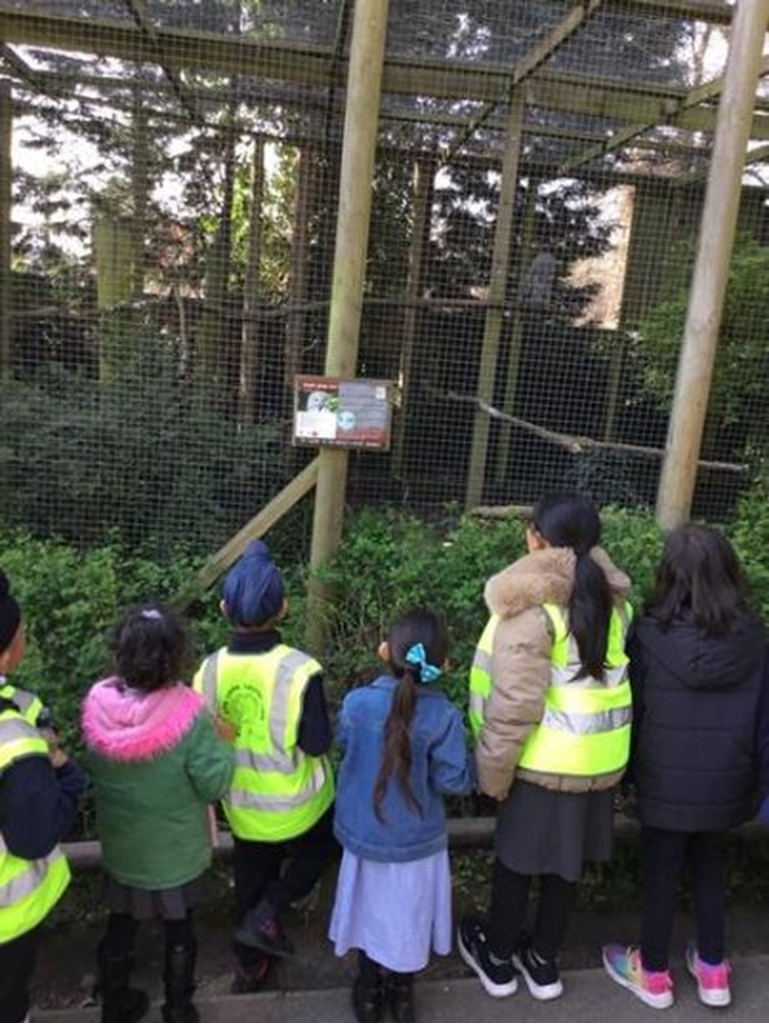
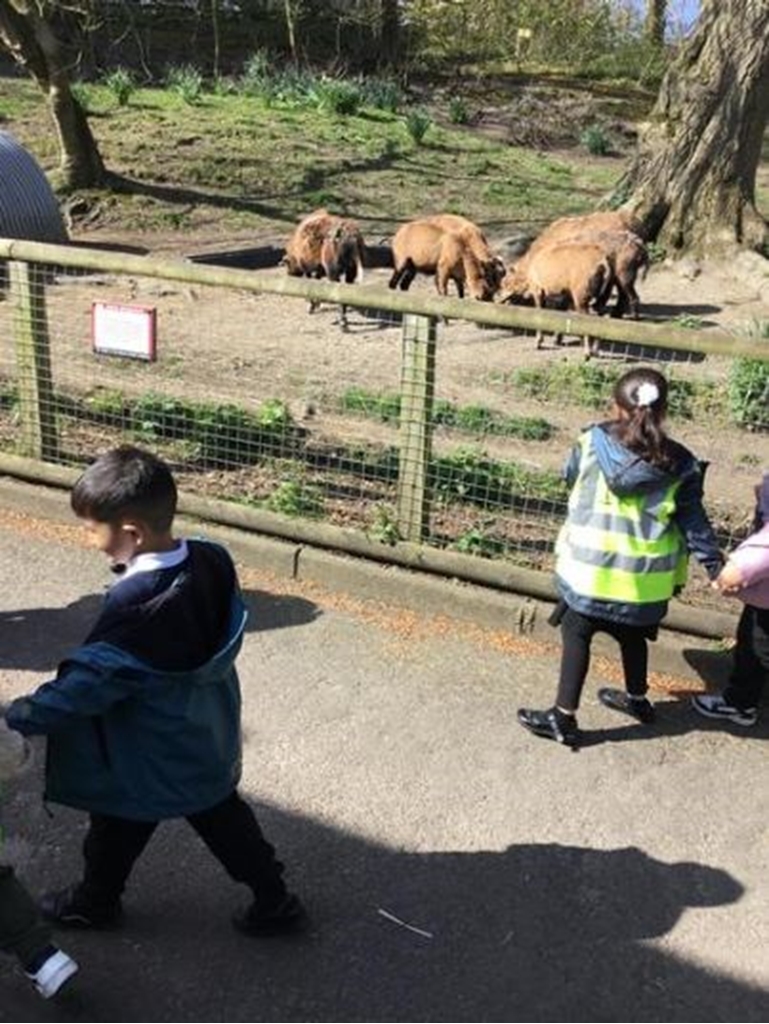
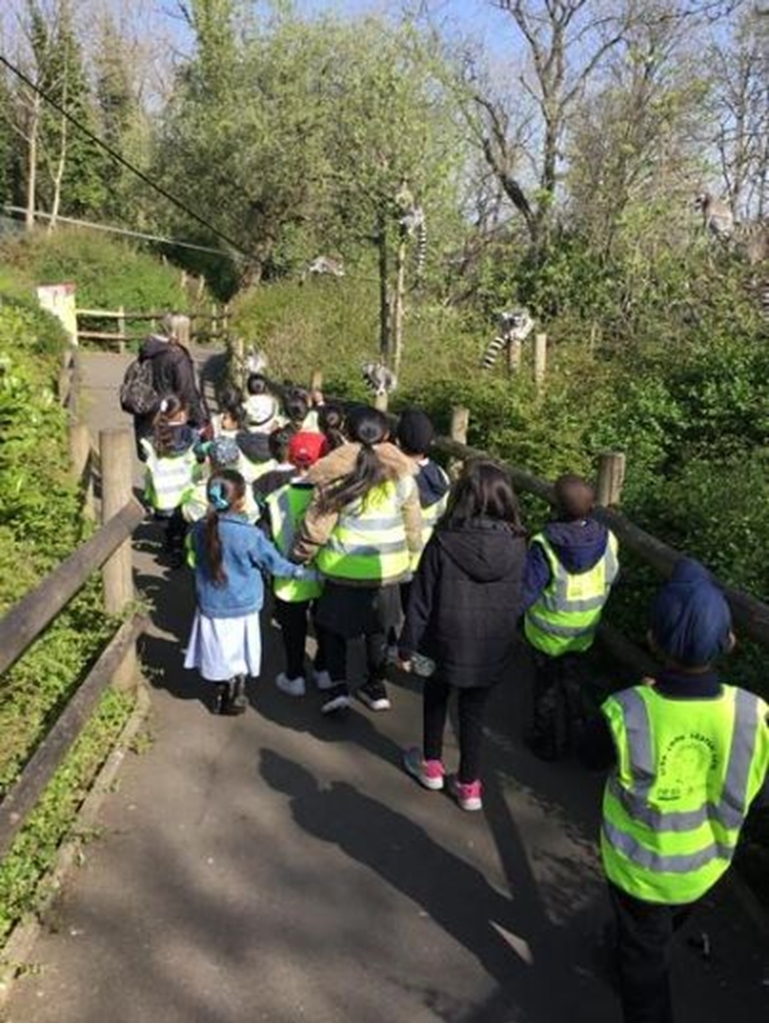
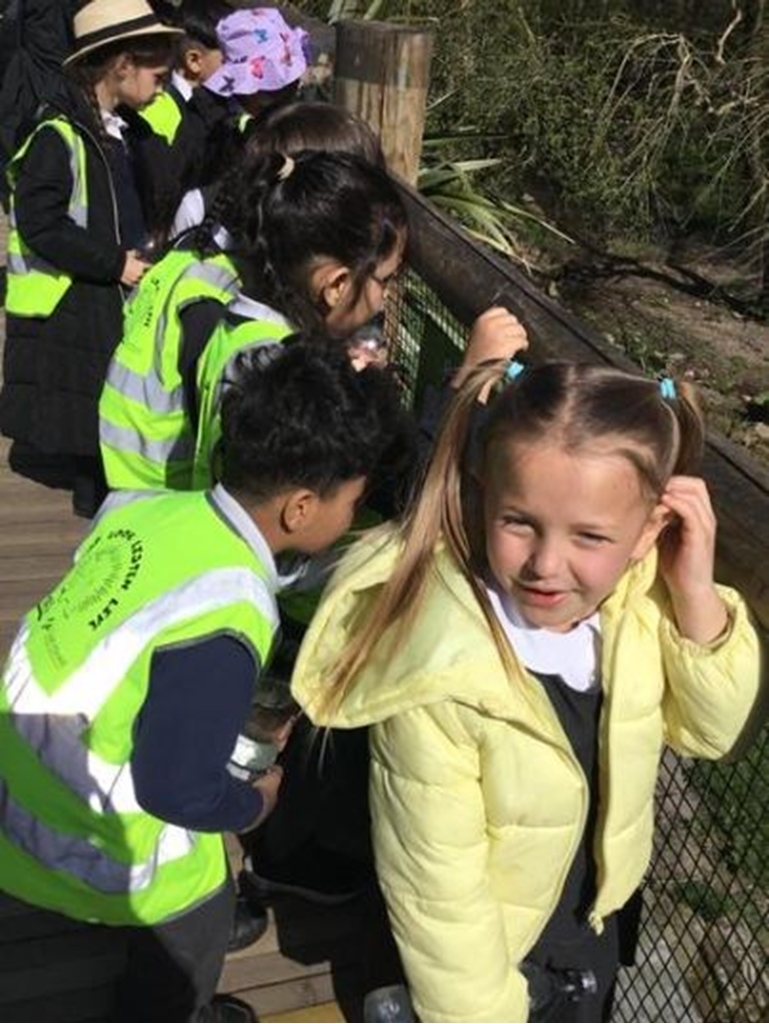
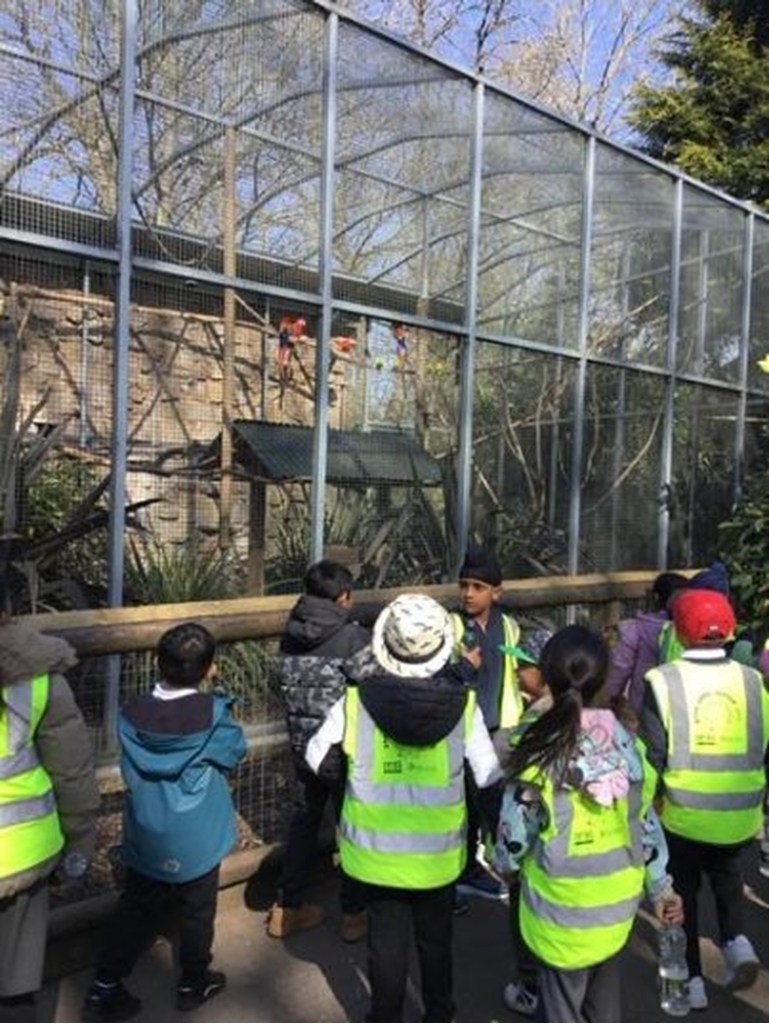
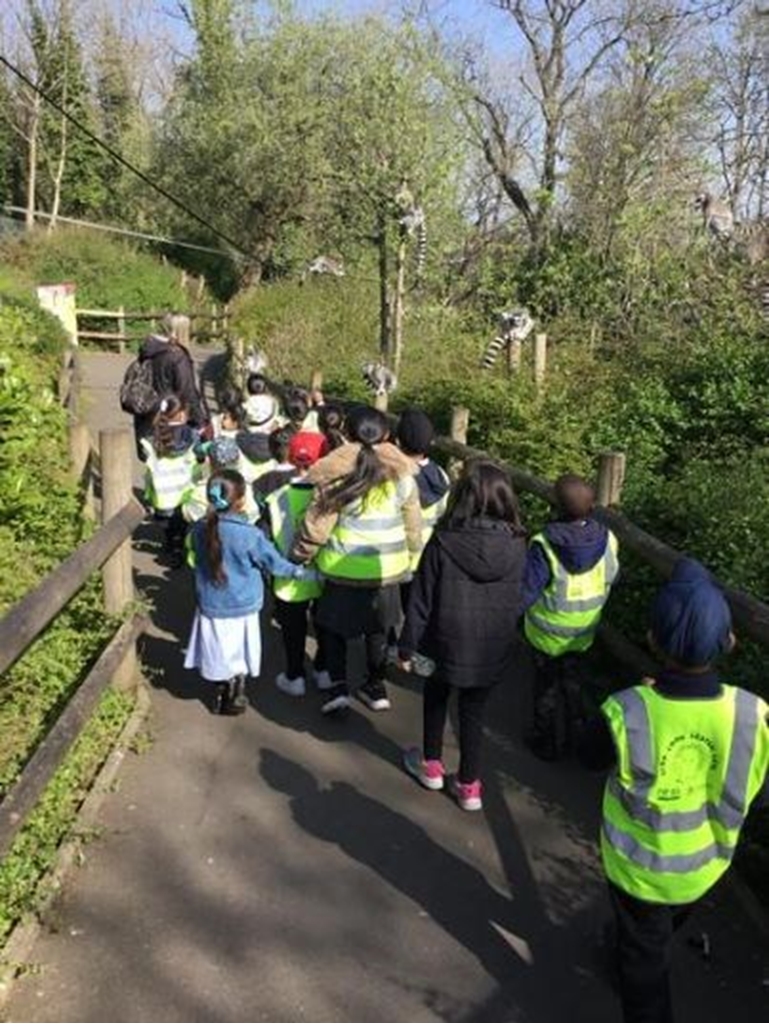
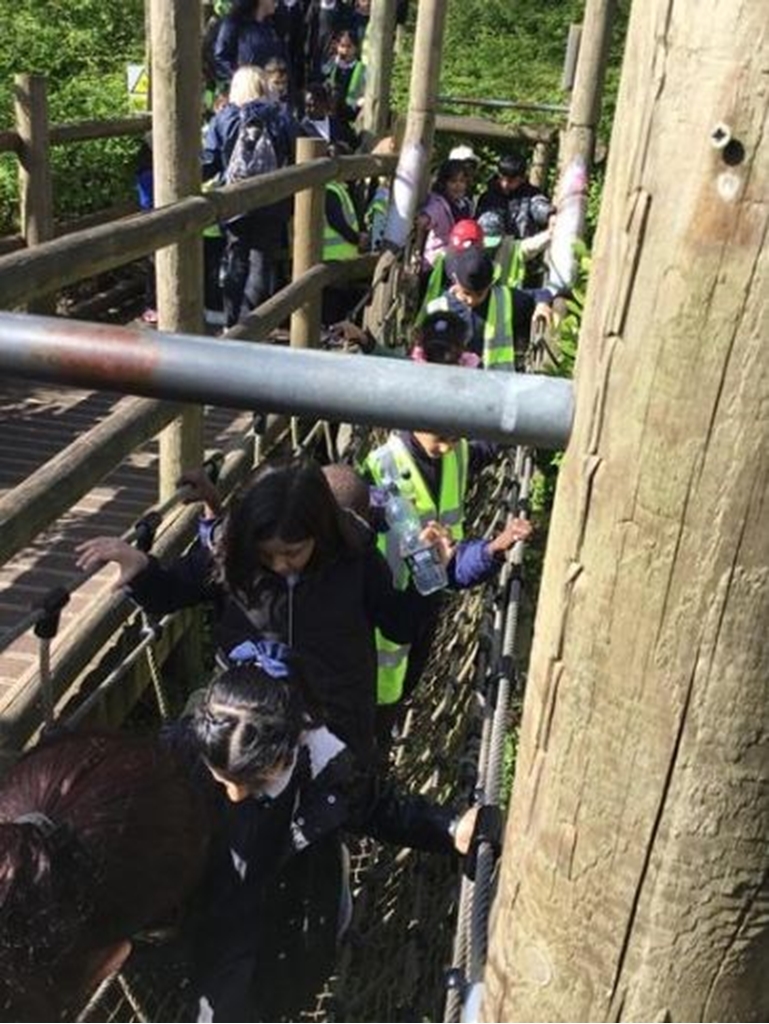
Dudley Zoo photos

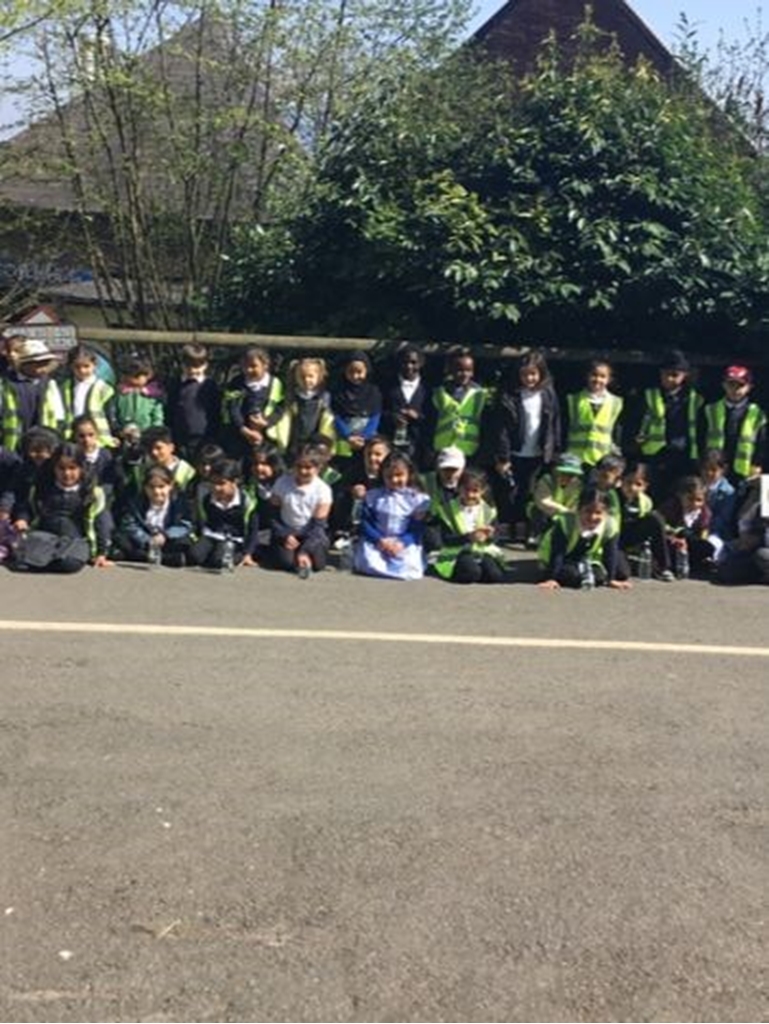
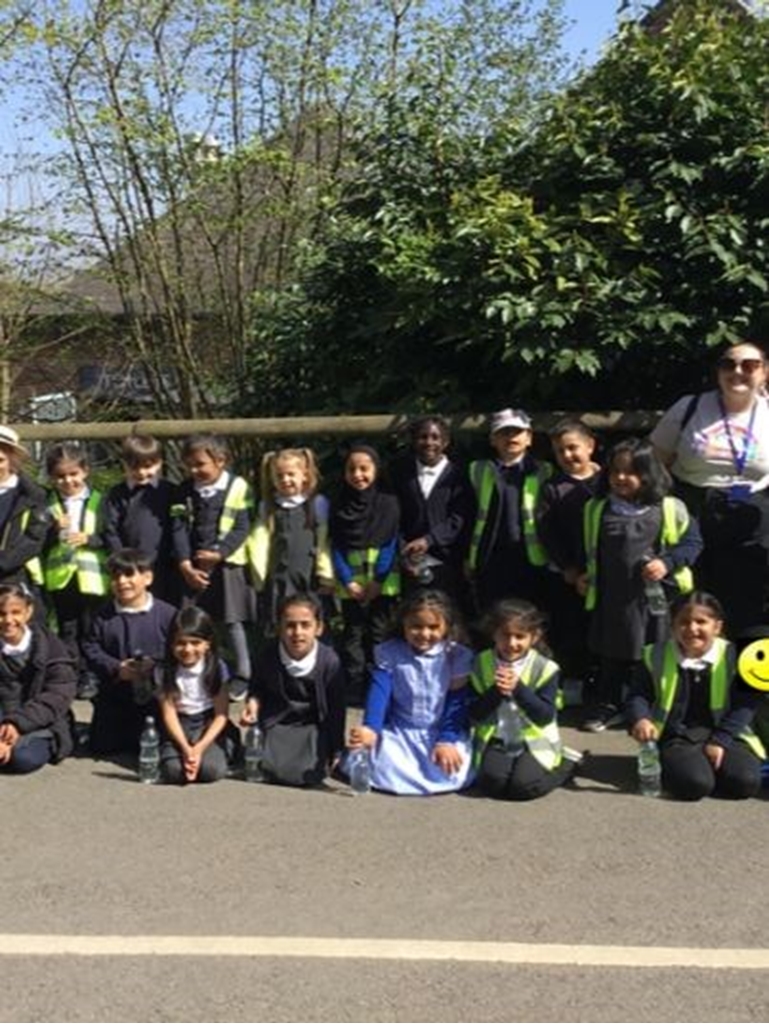
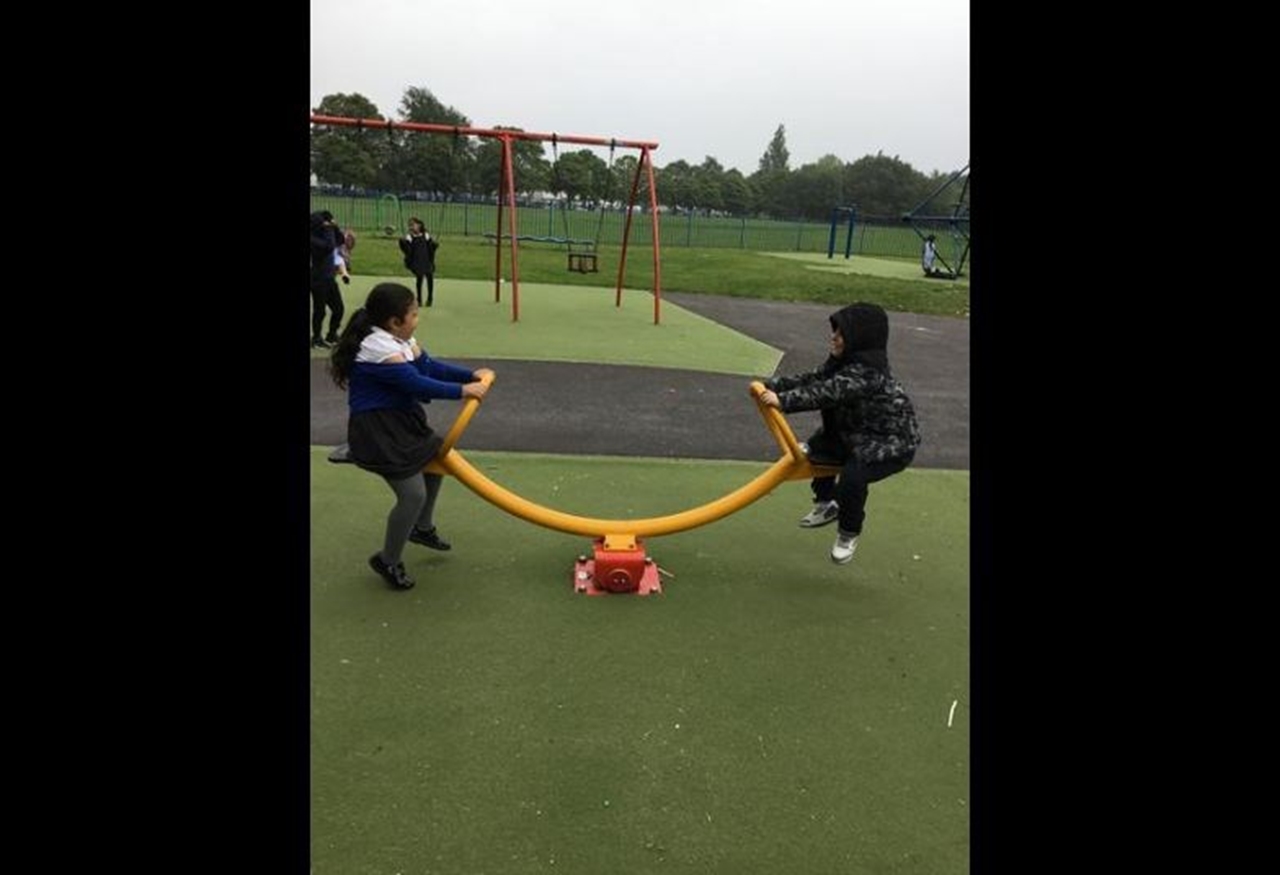
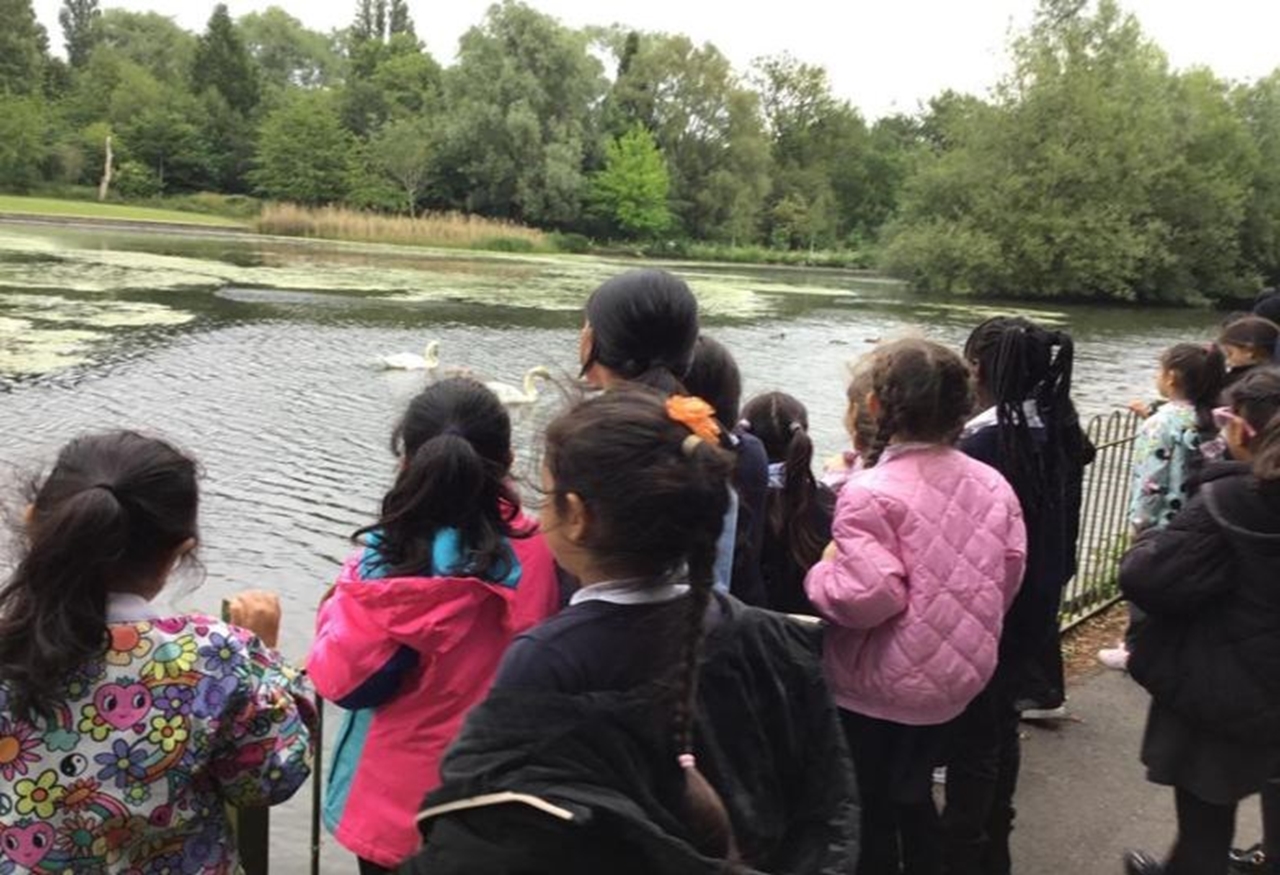
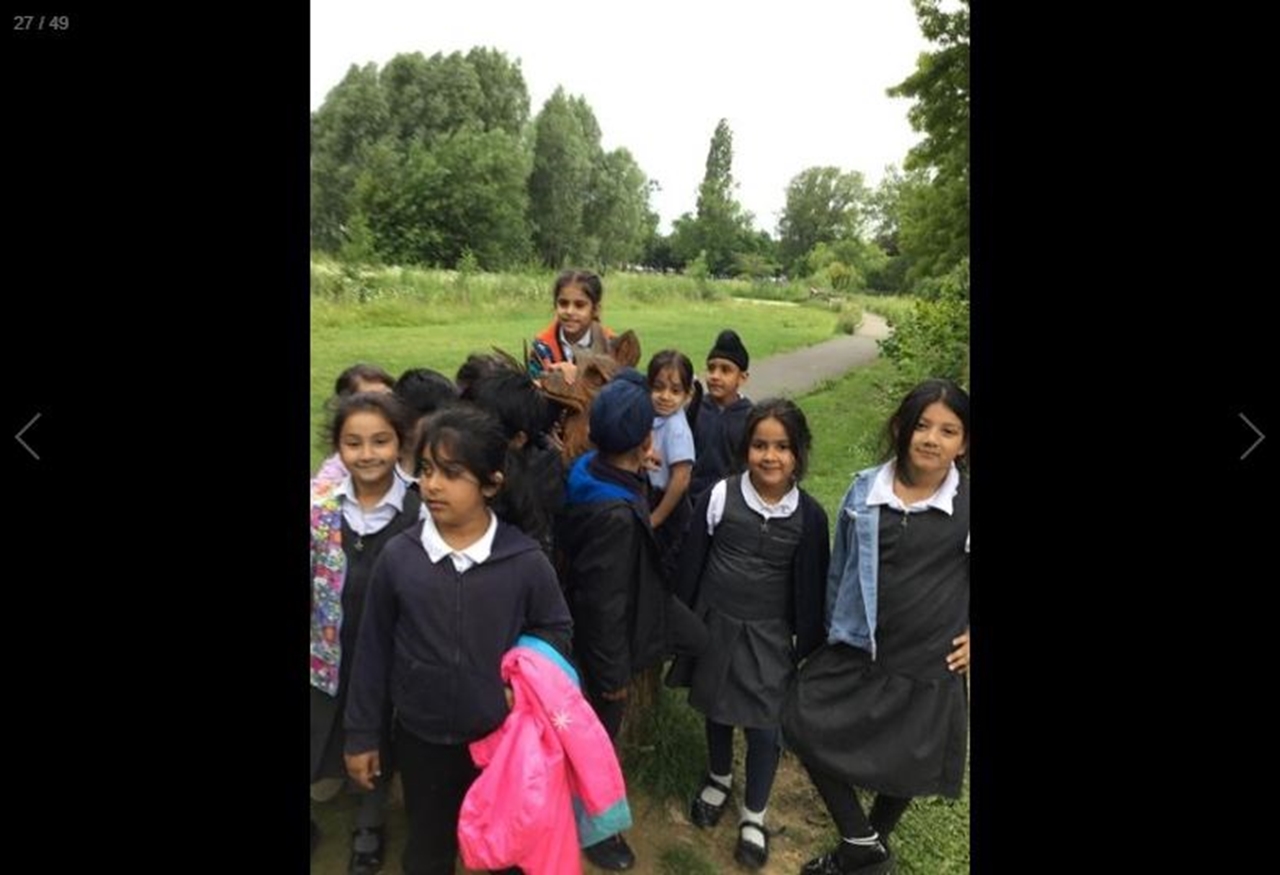
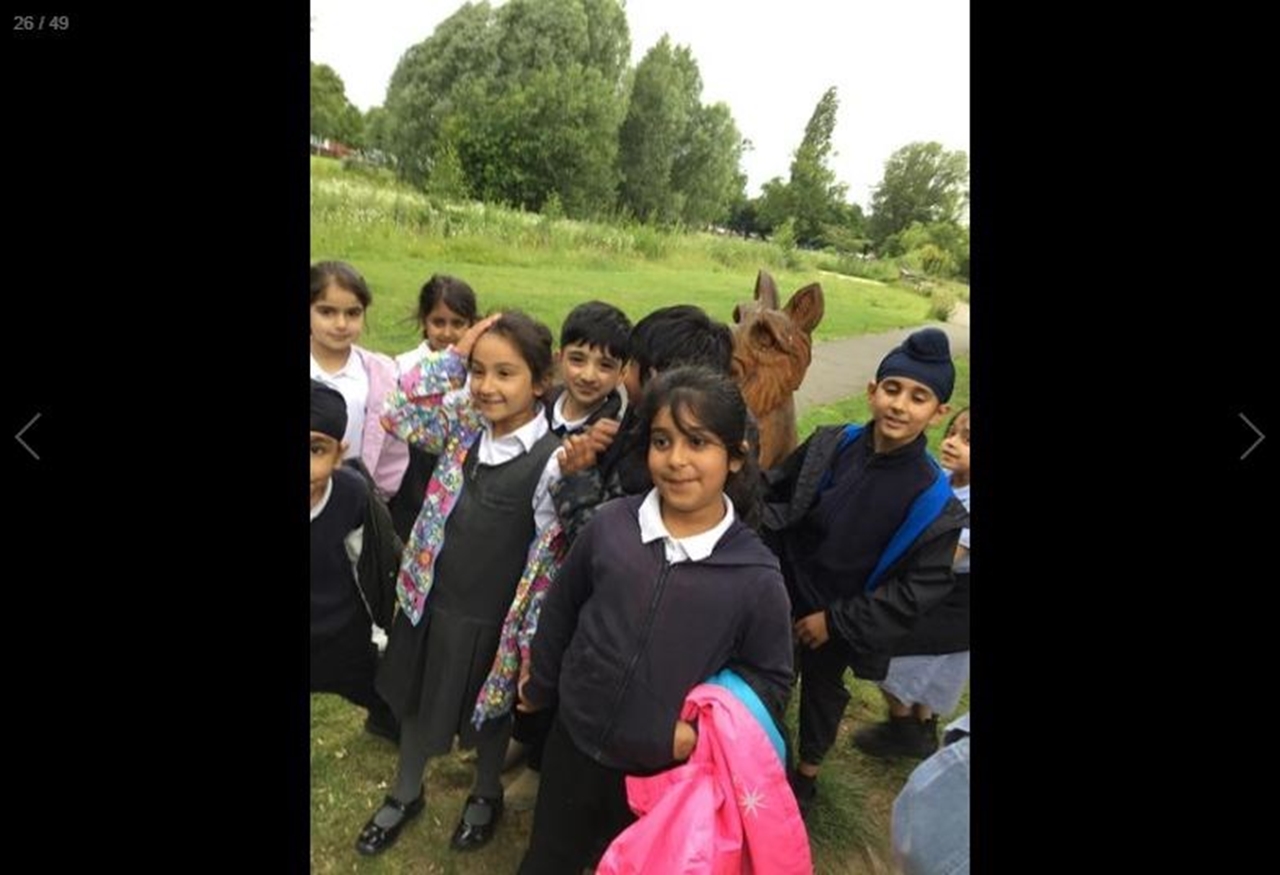
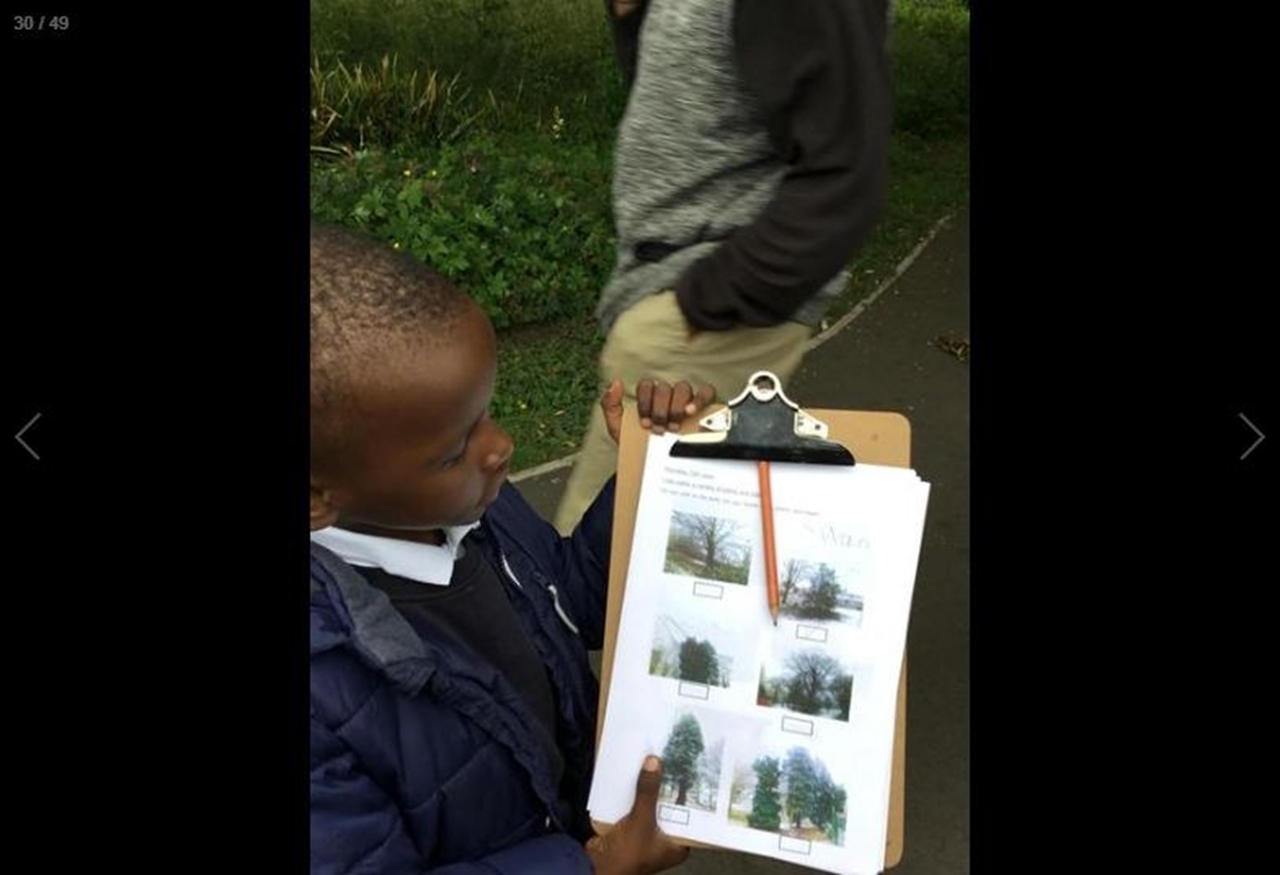
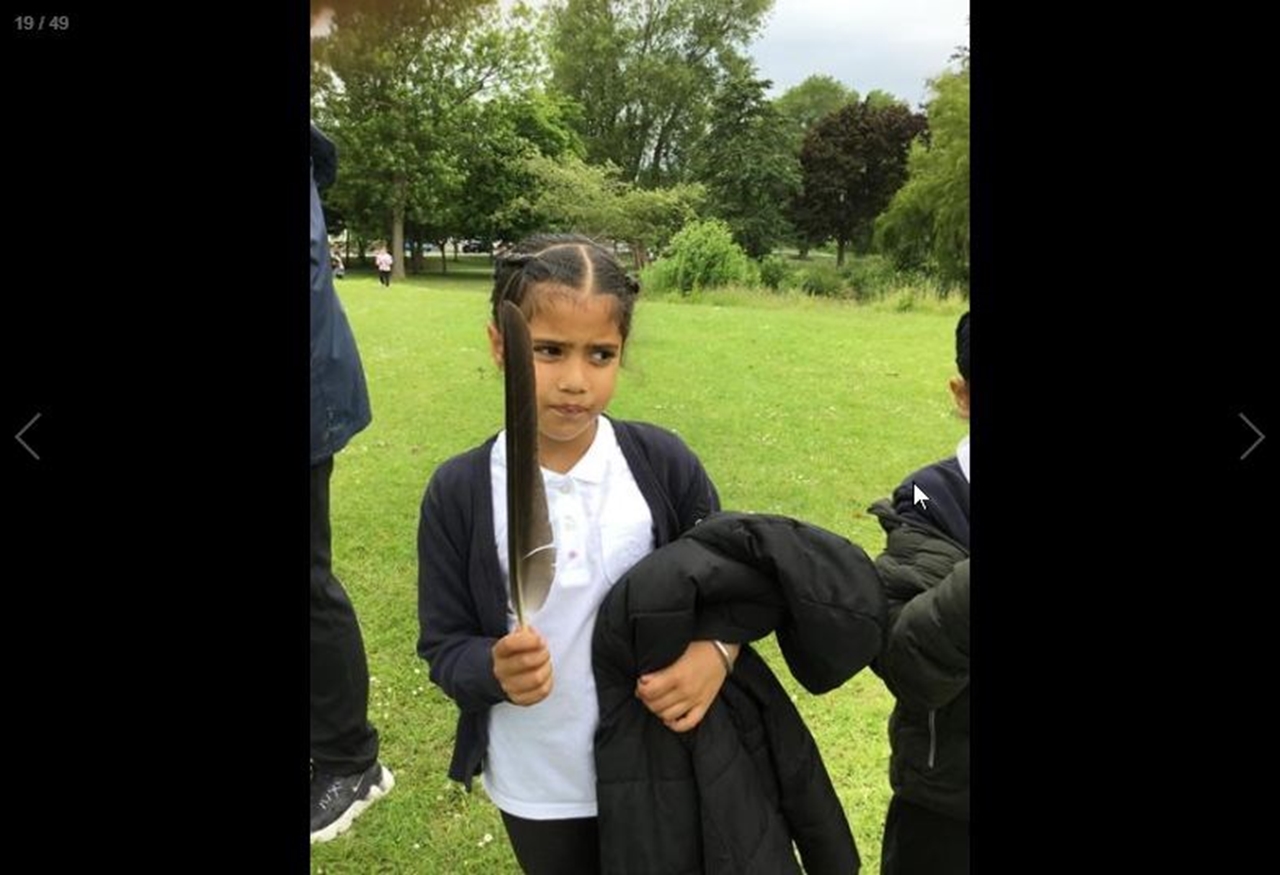
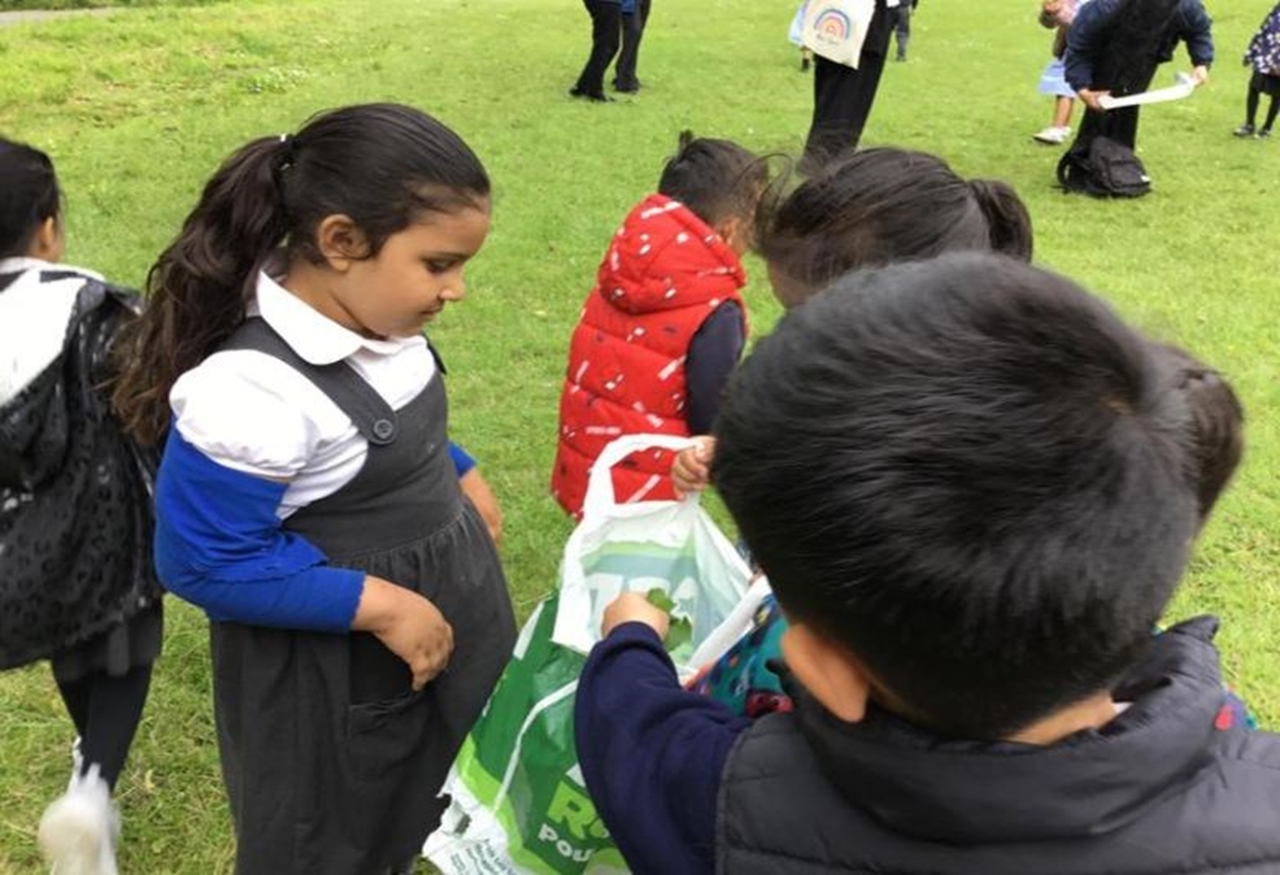
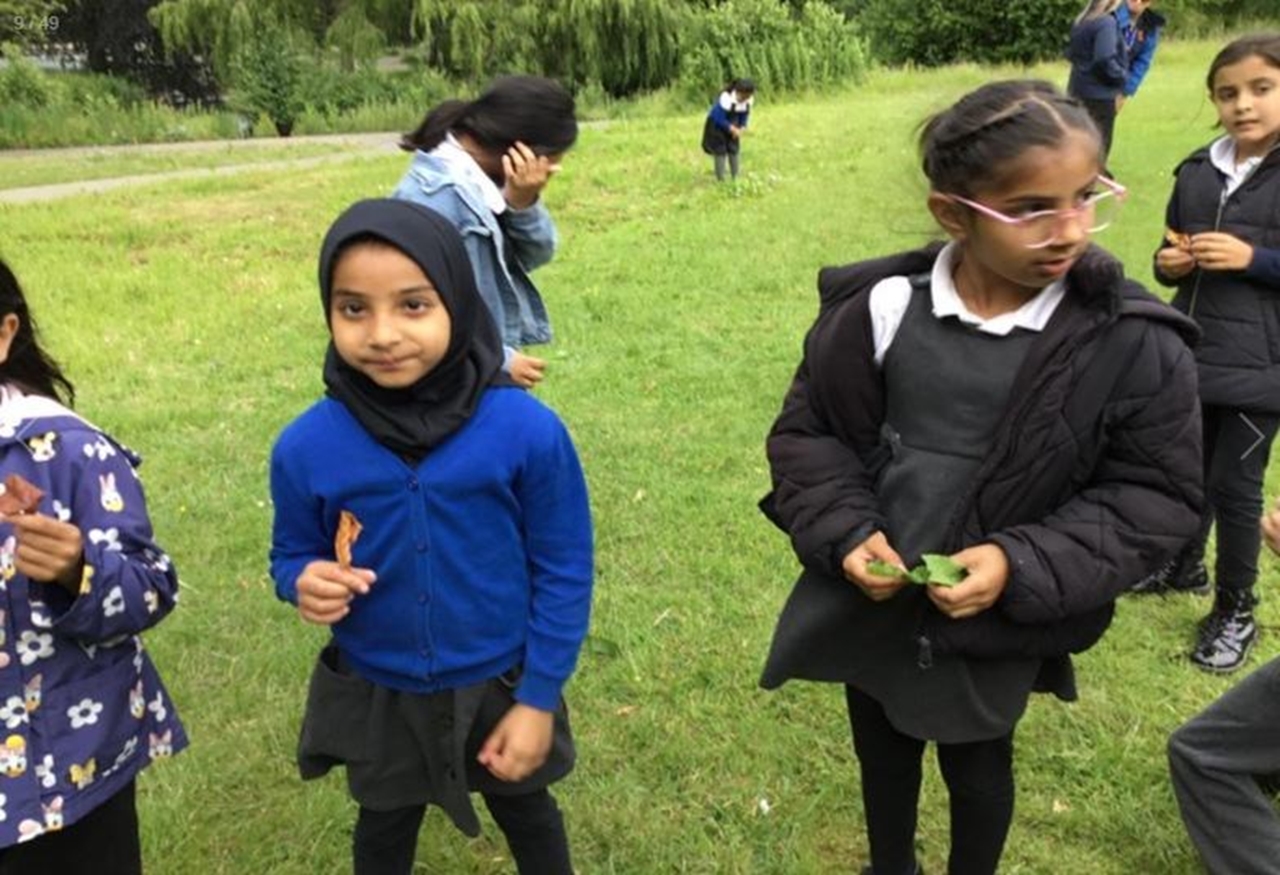
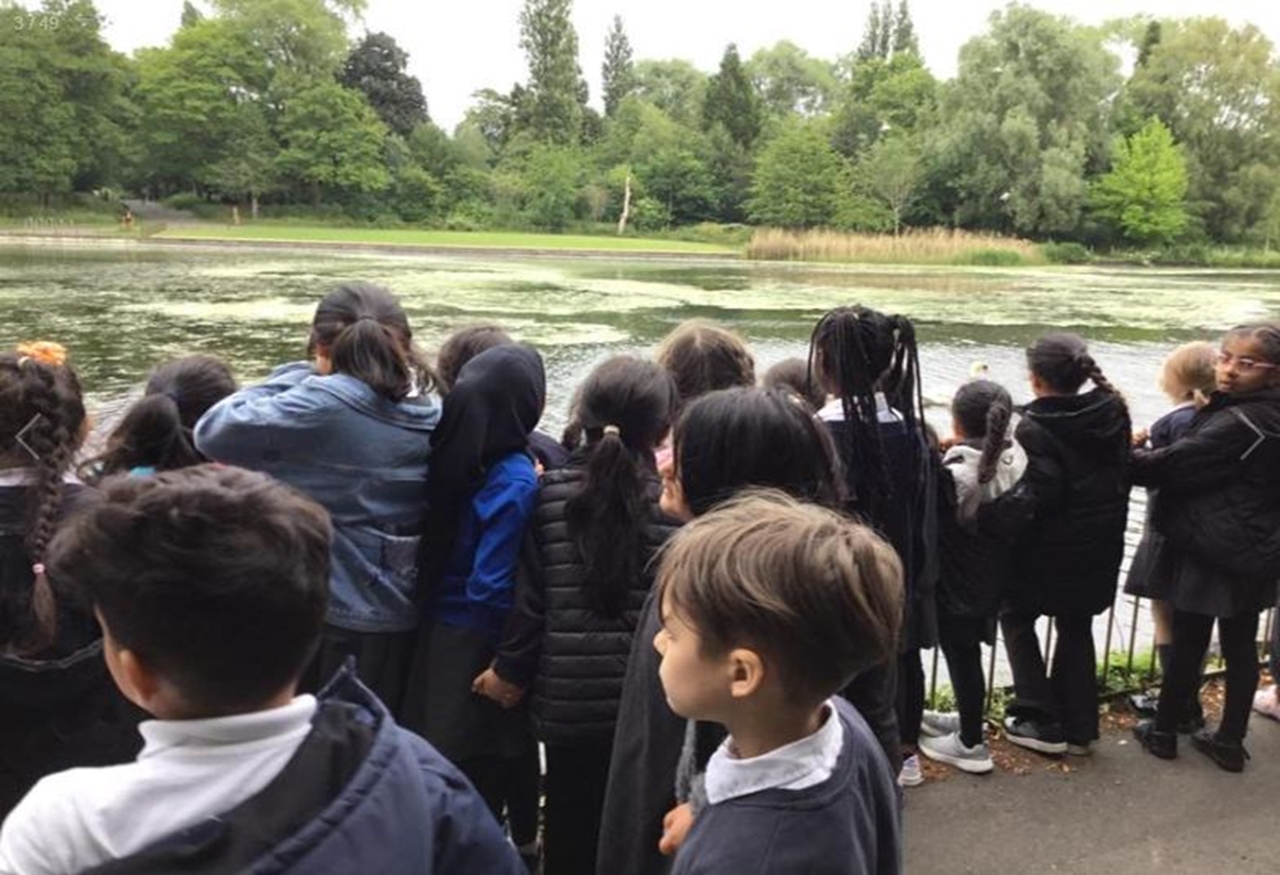
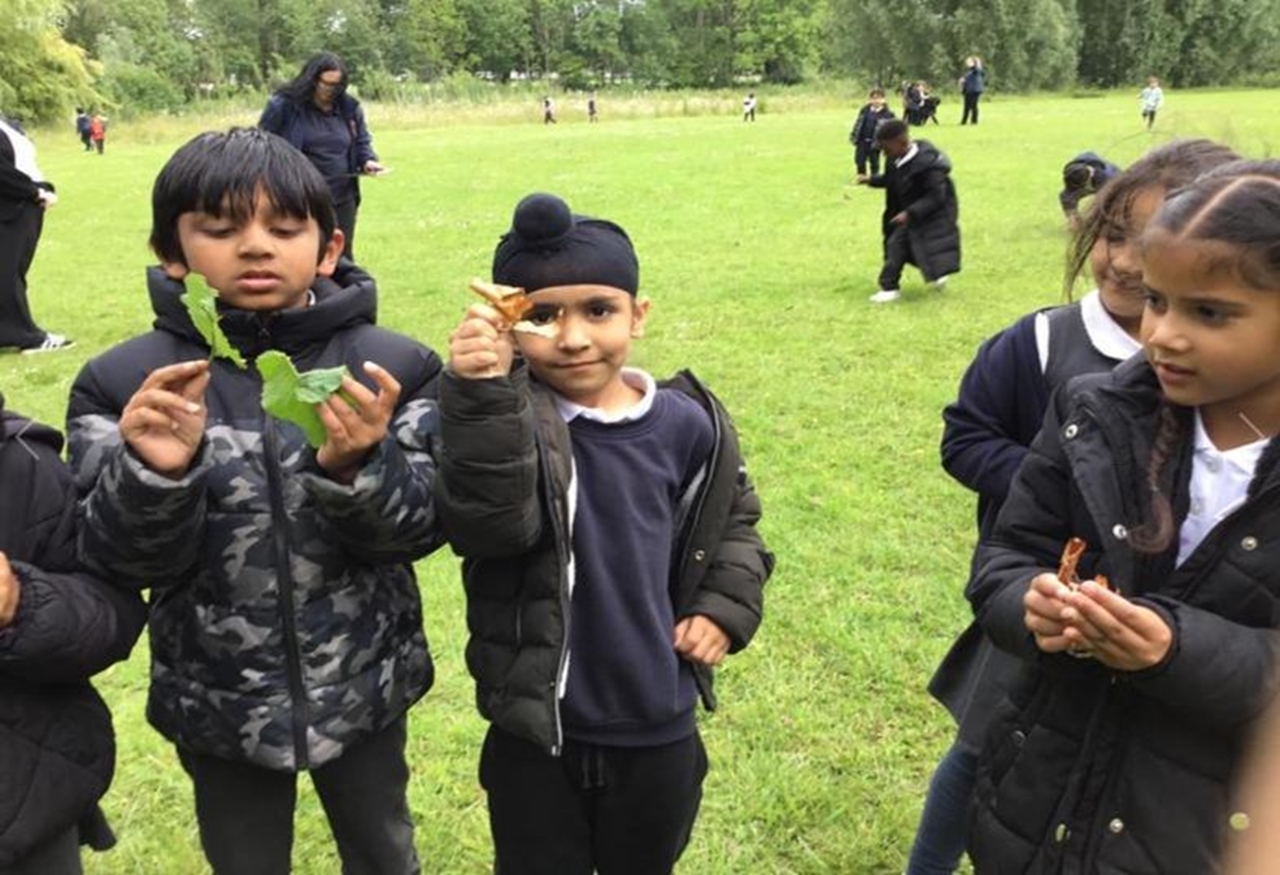
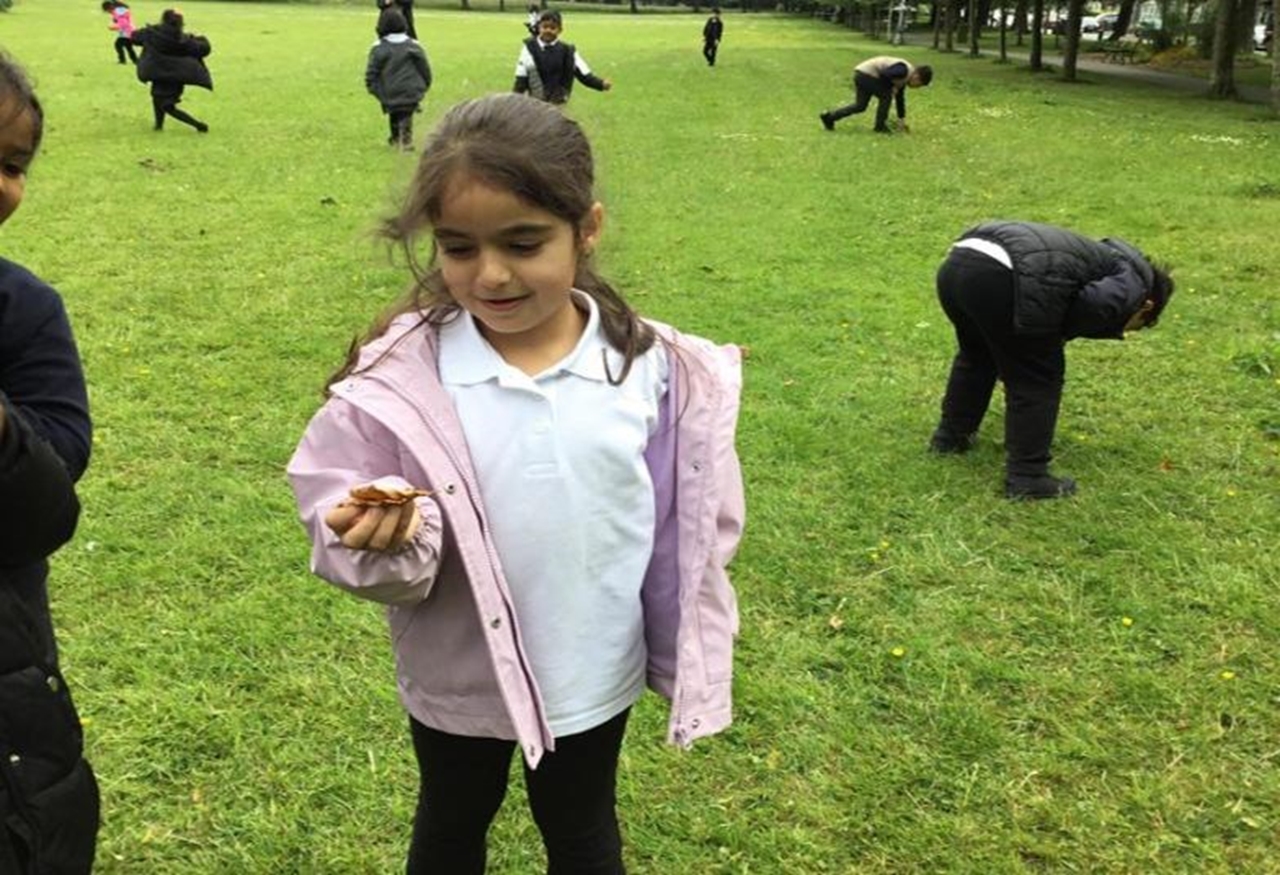
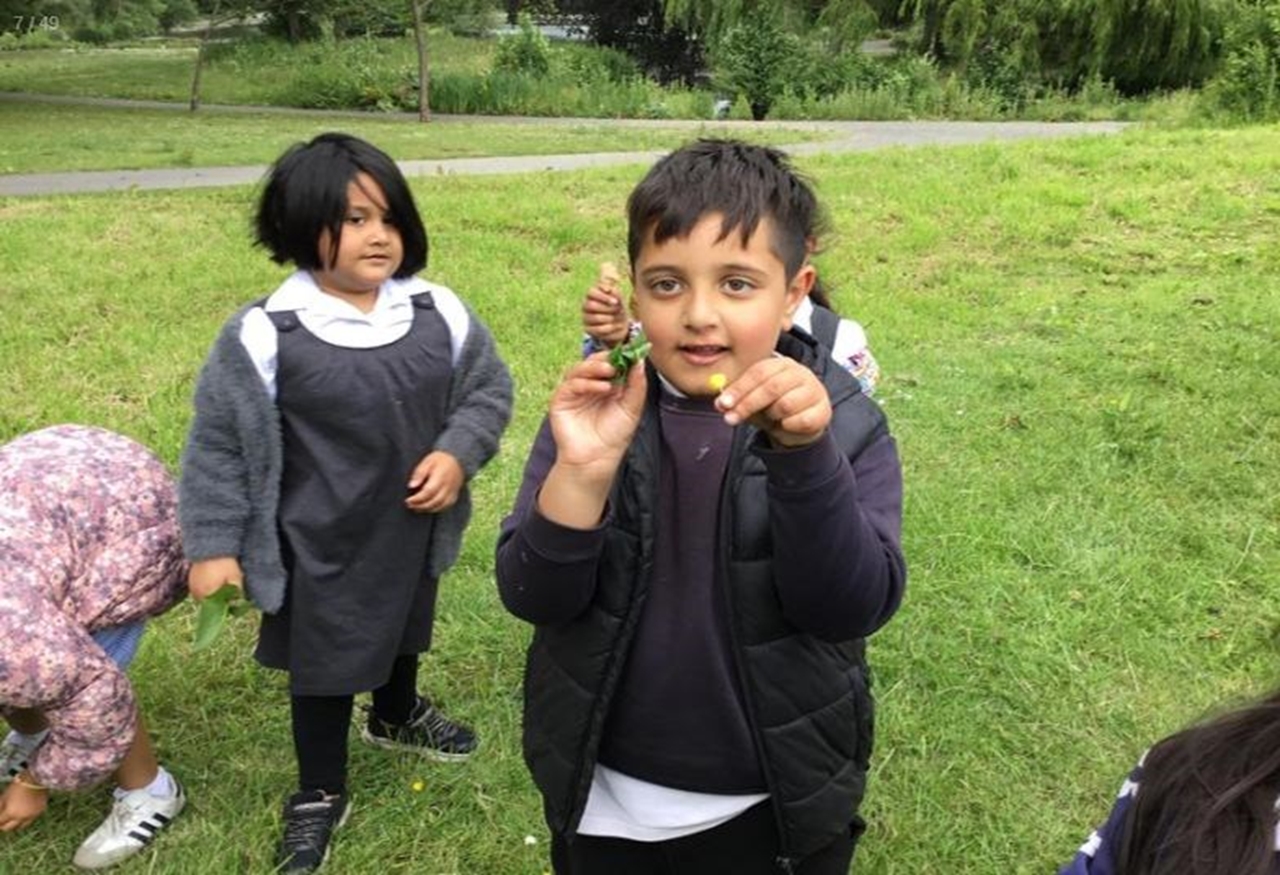
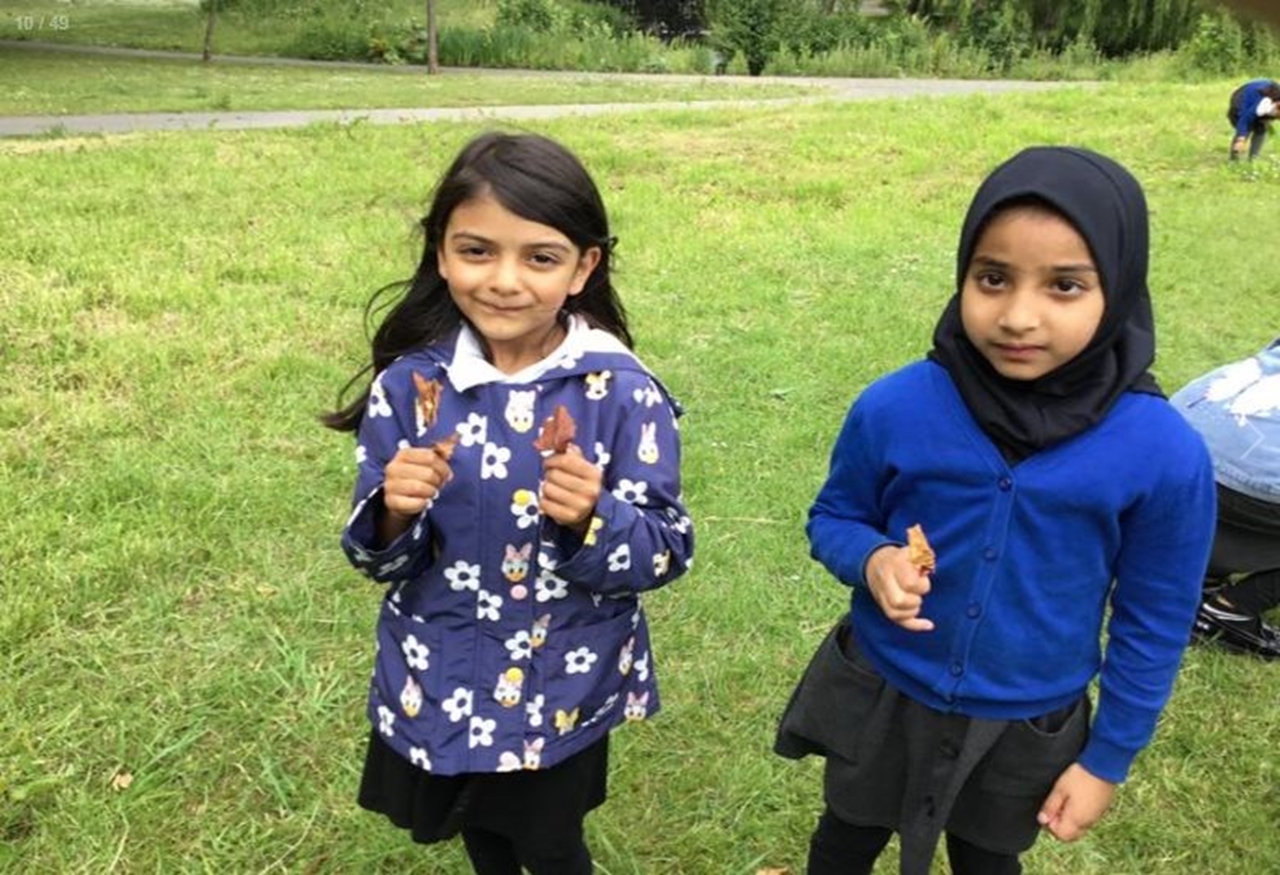
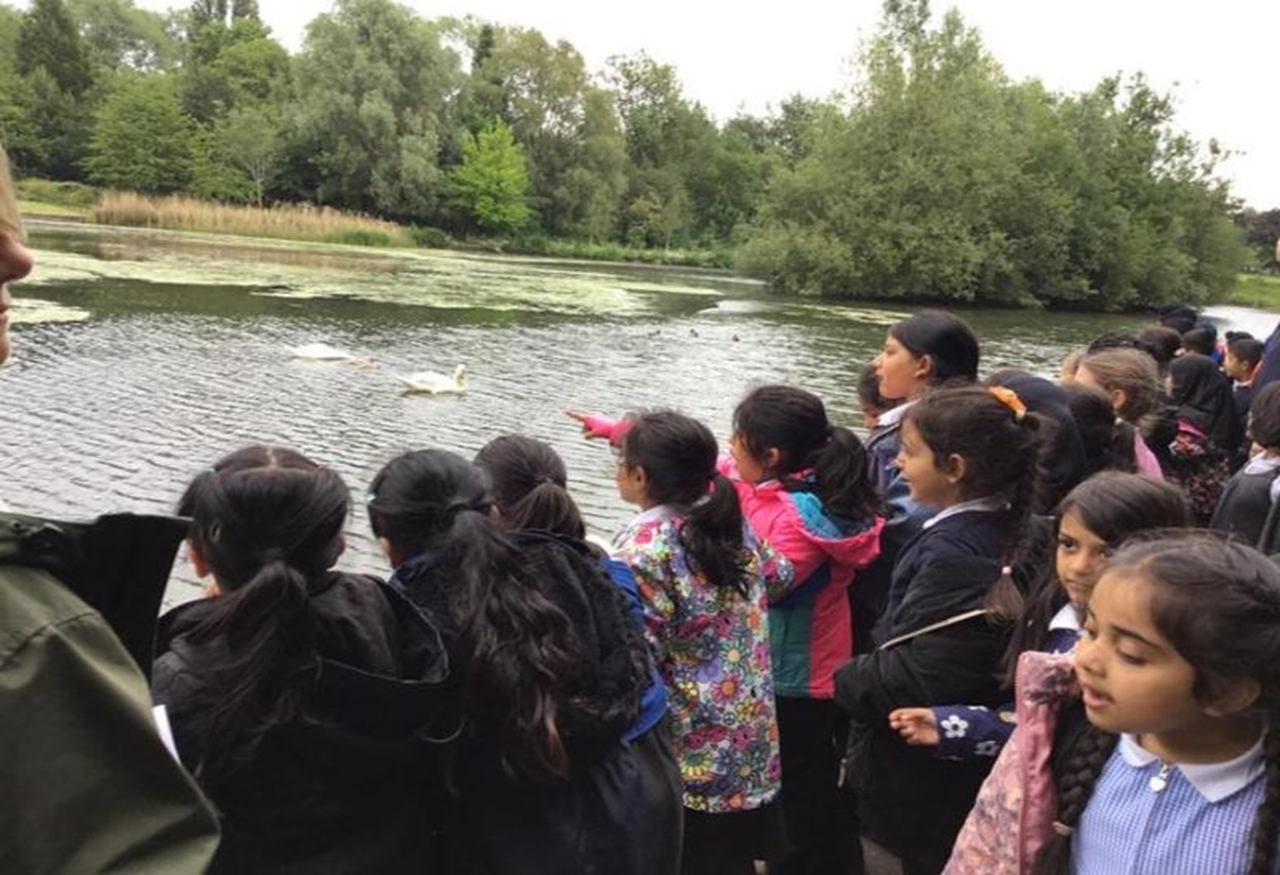
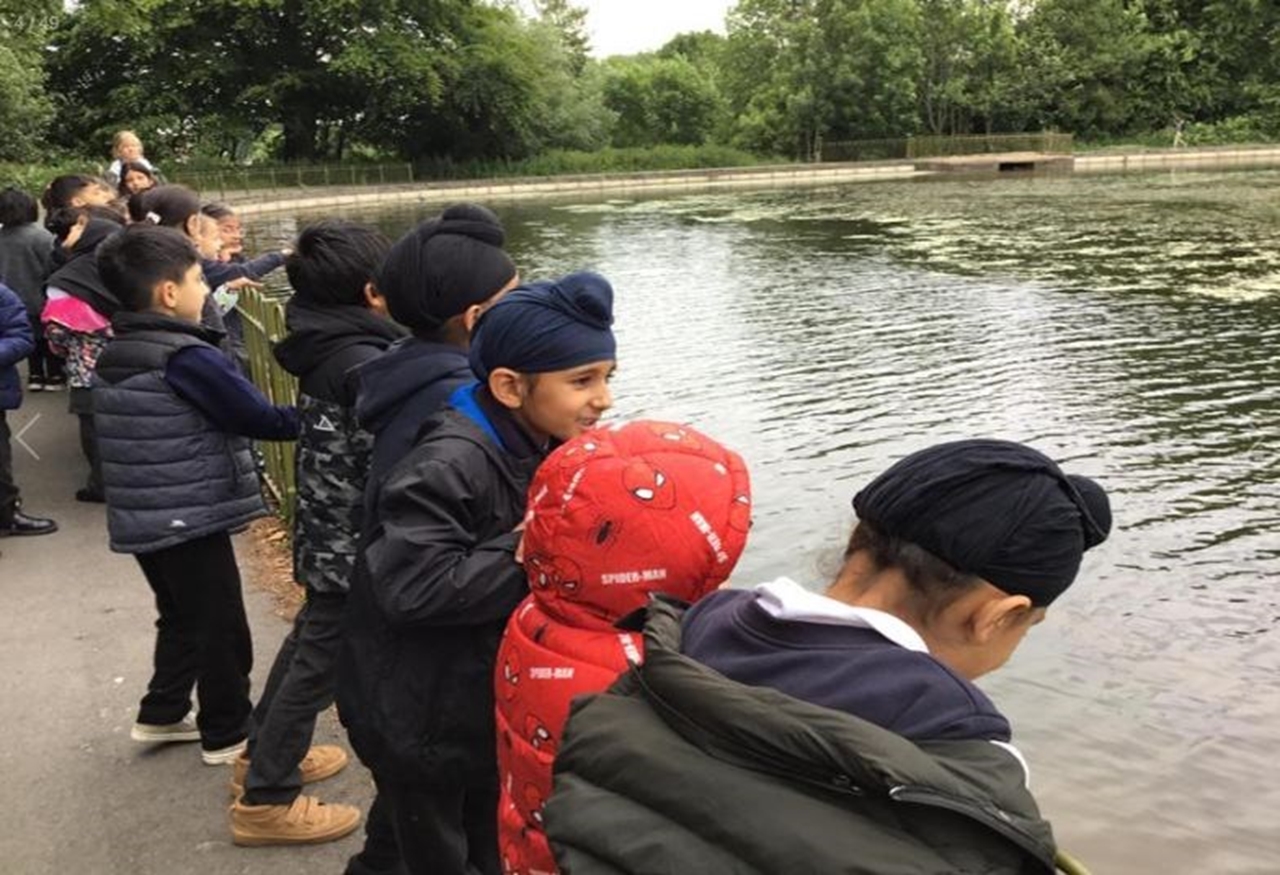
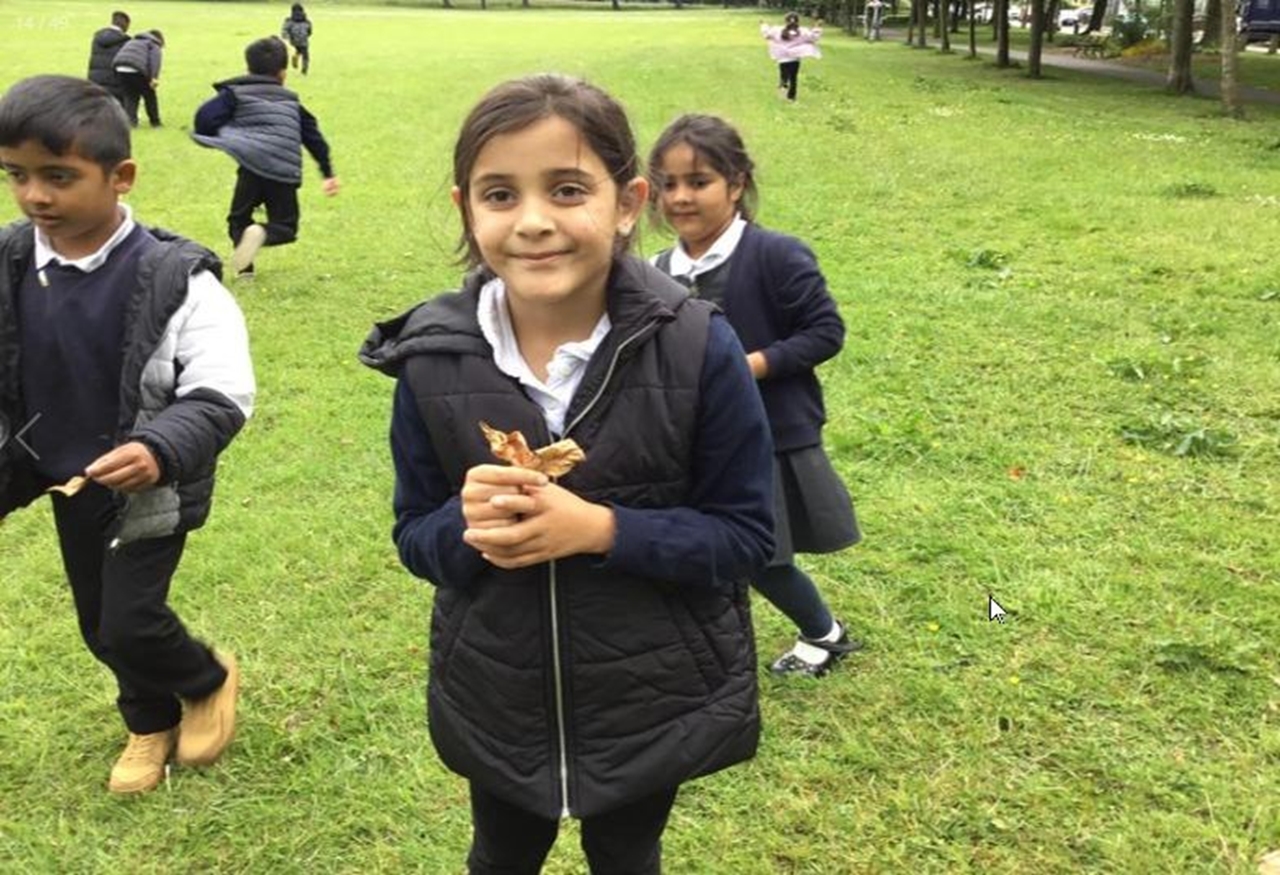
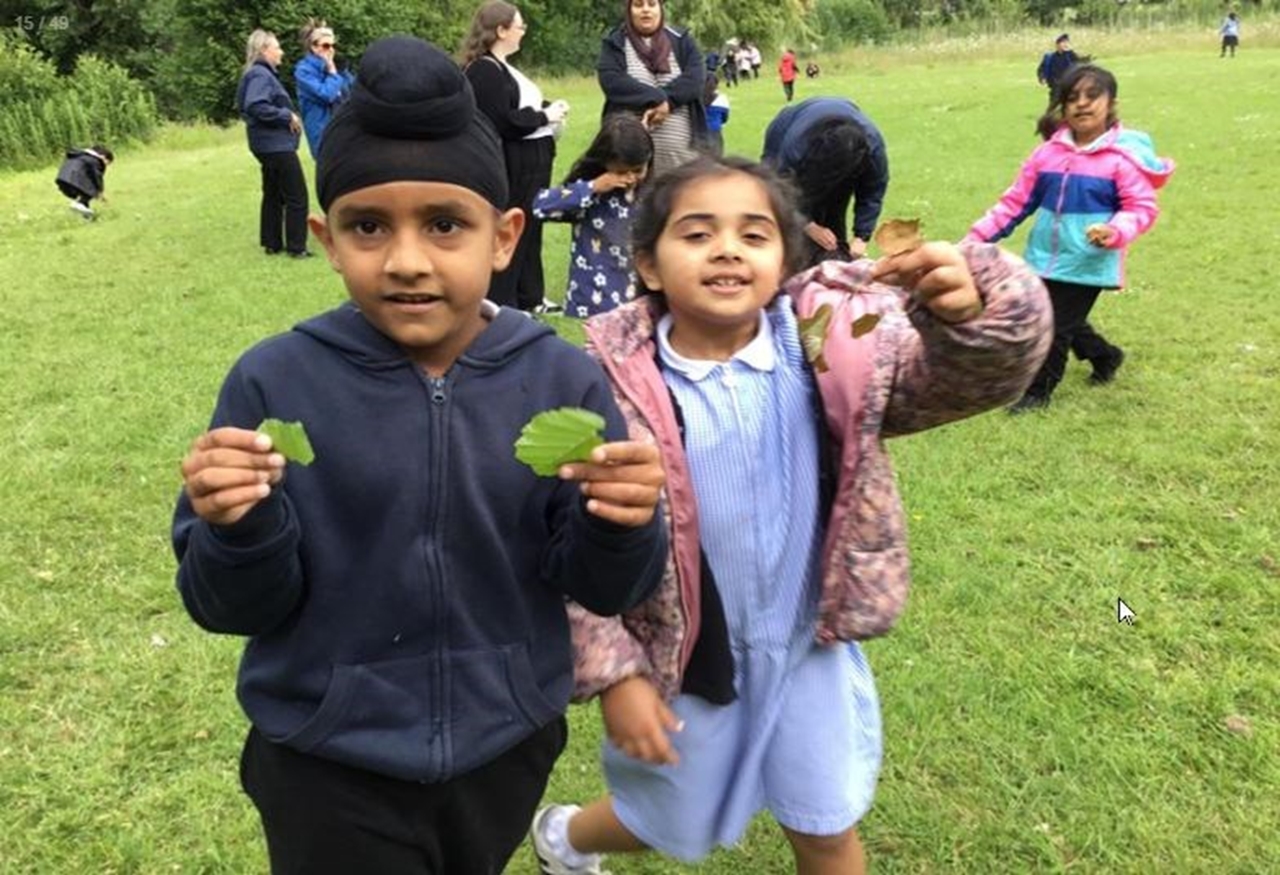
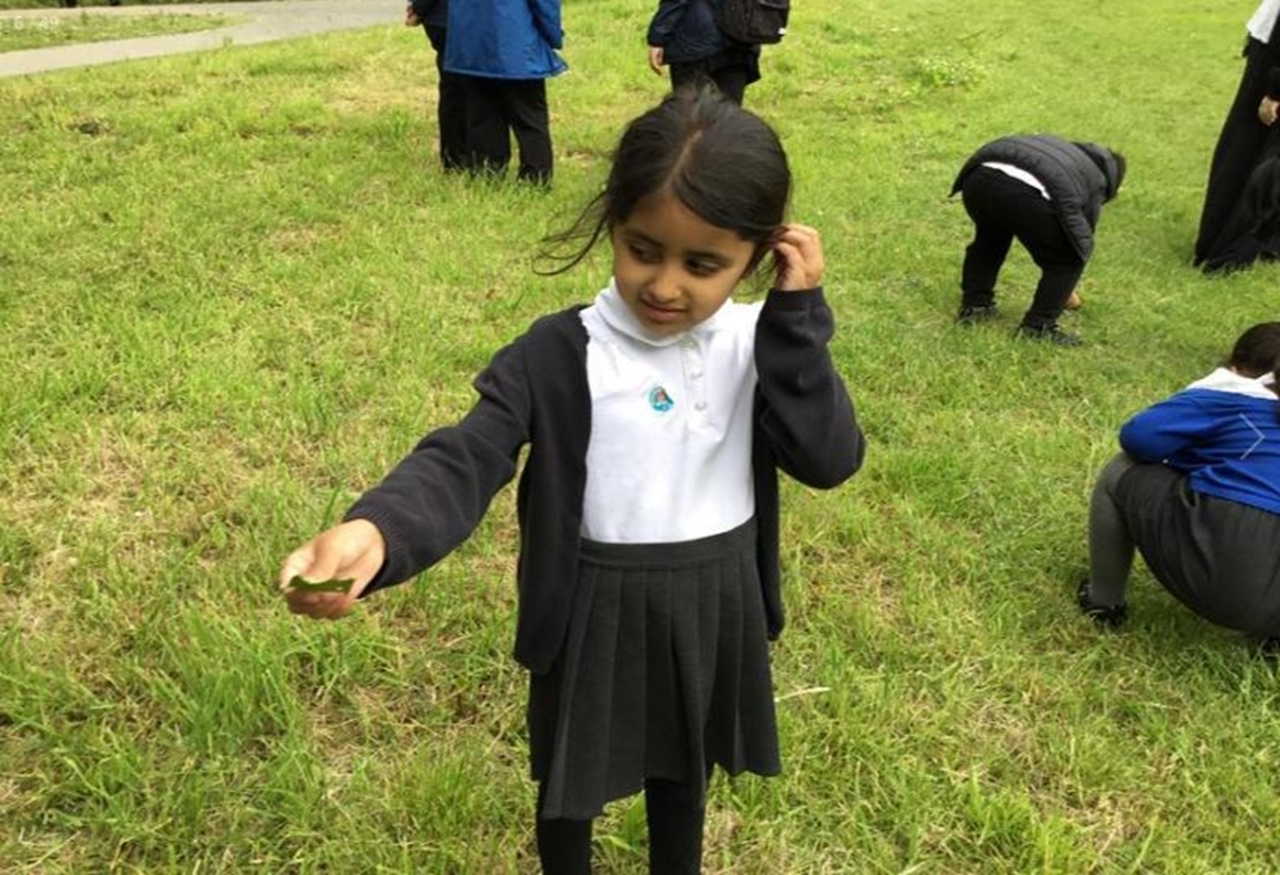
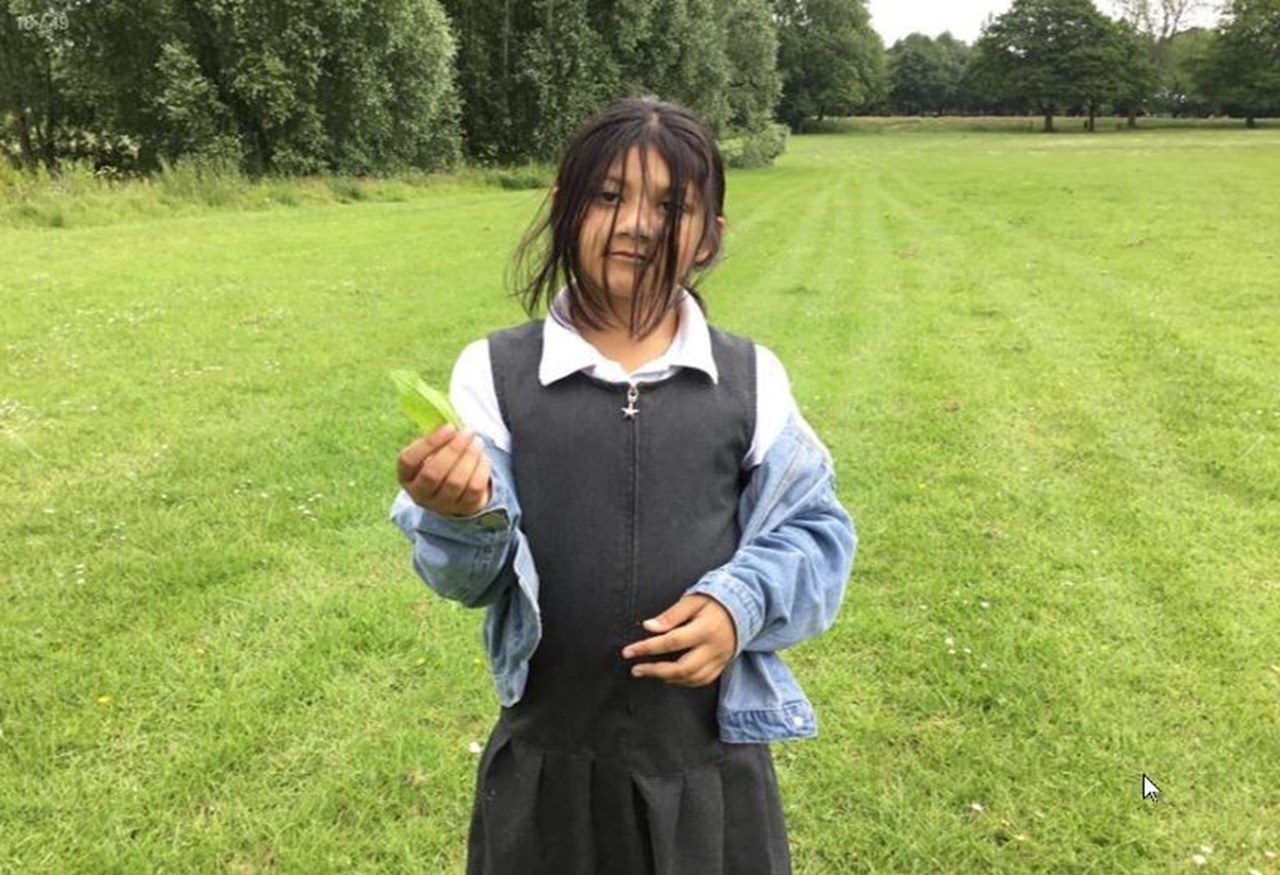
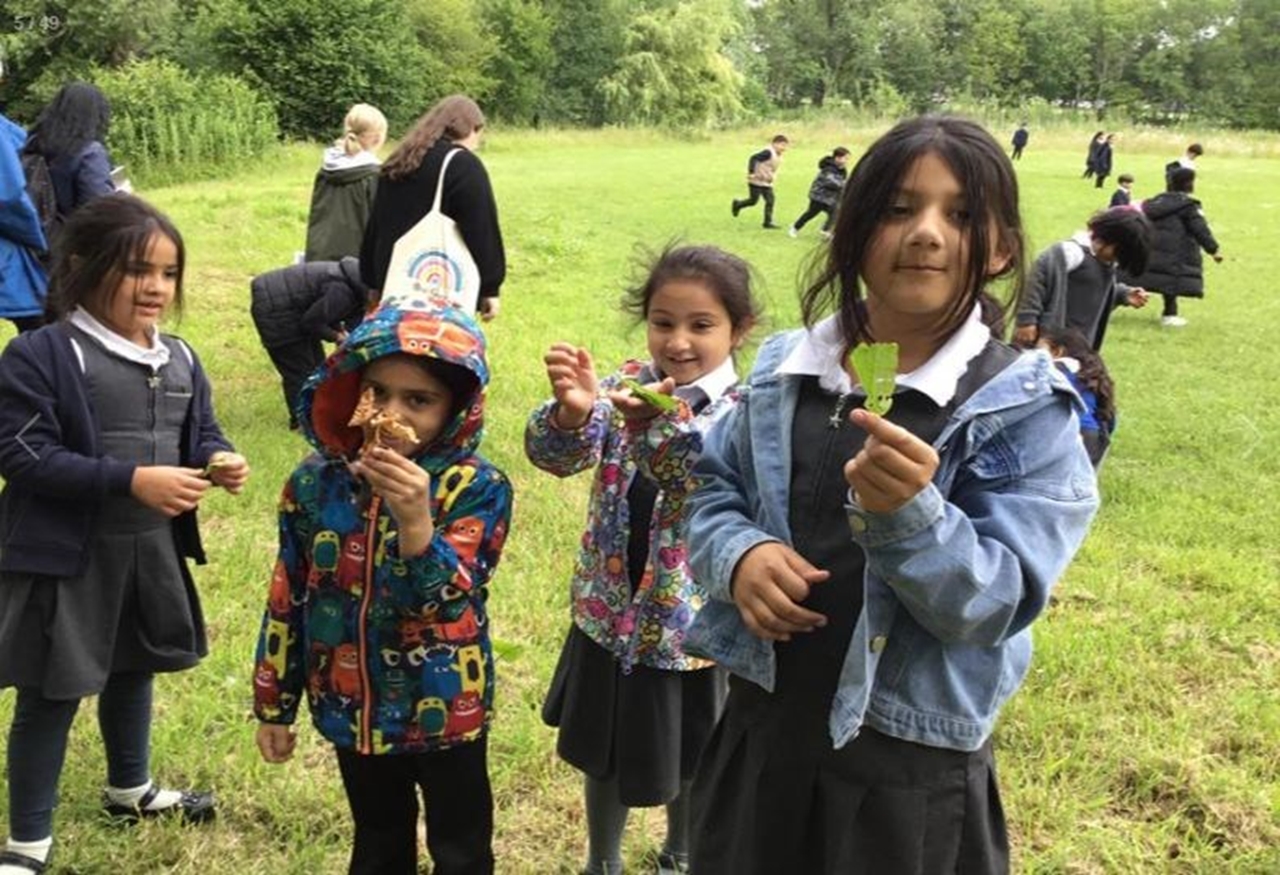
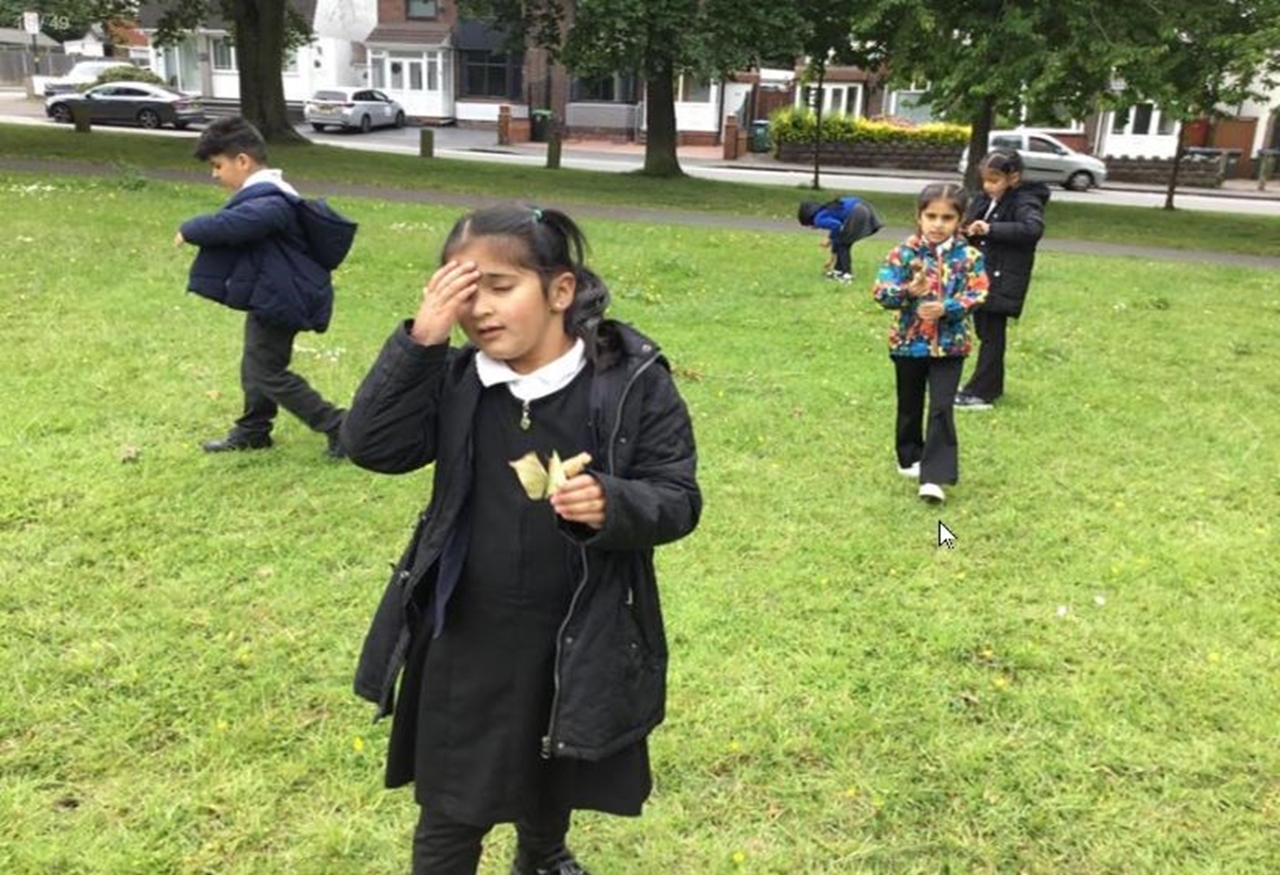
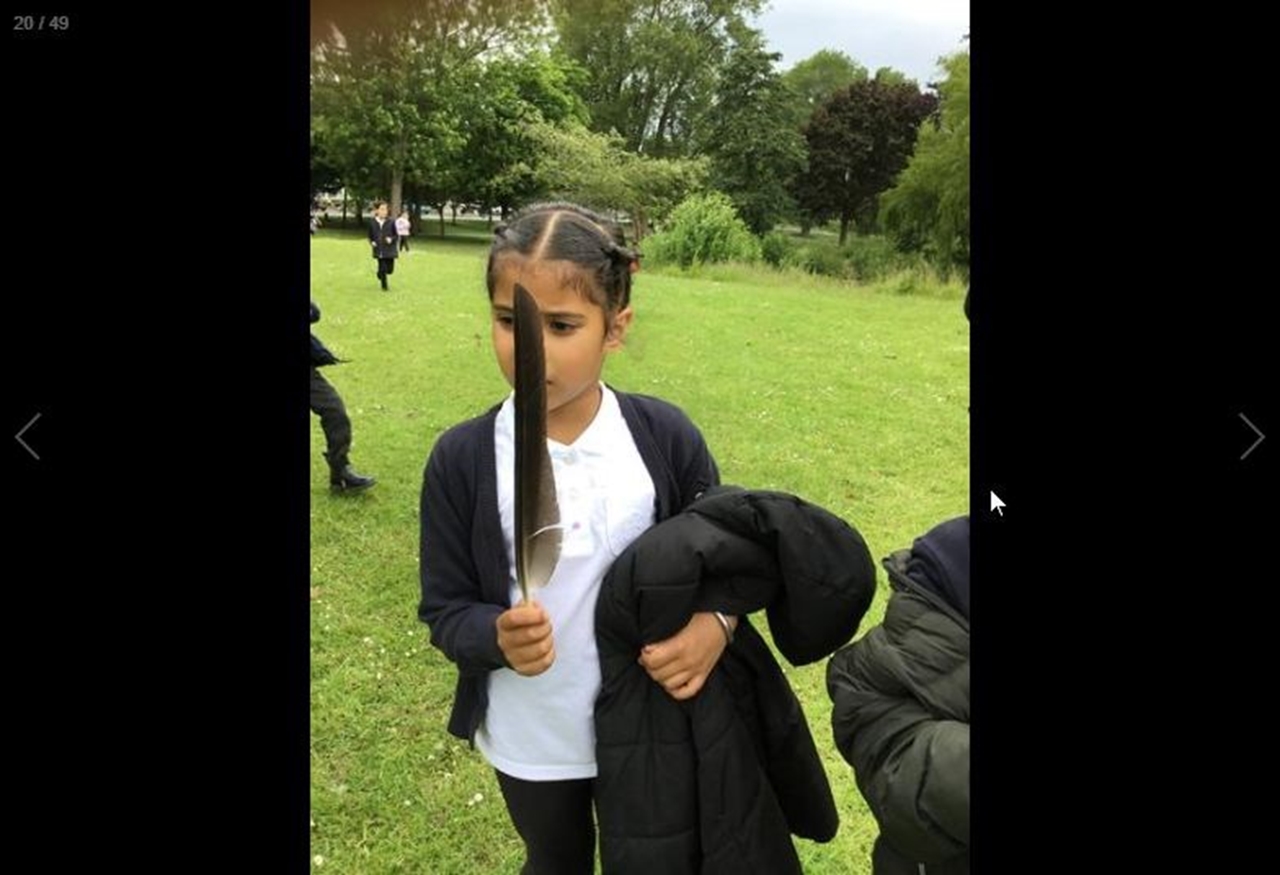
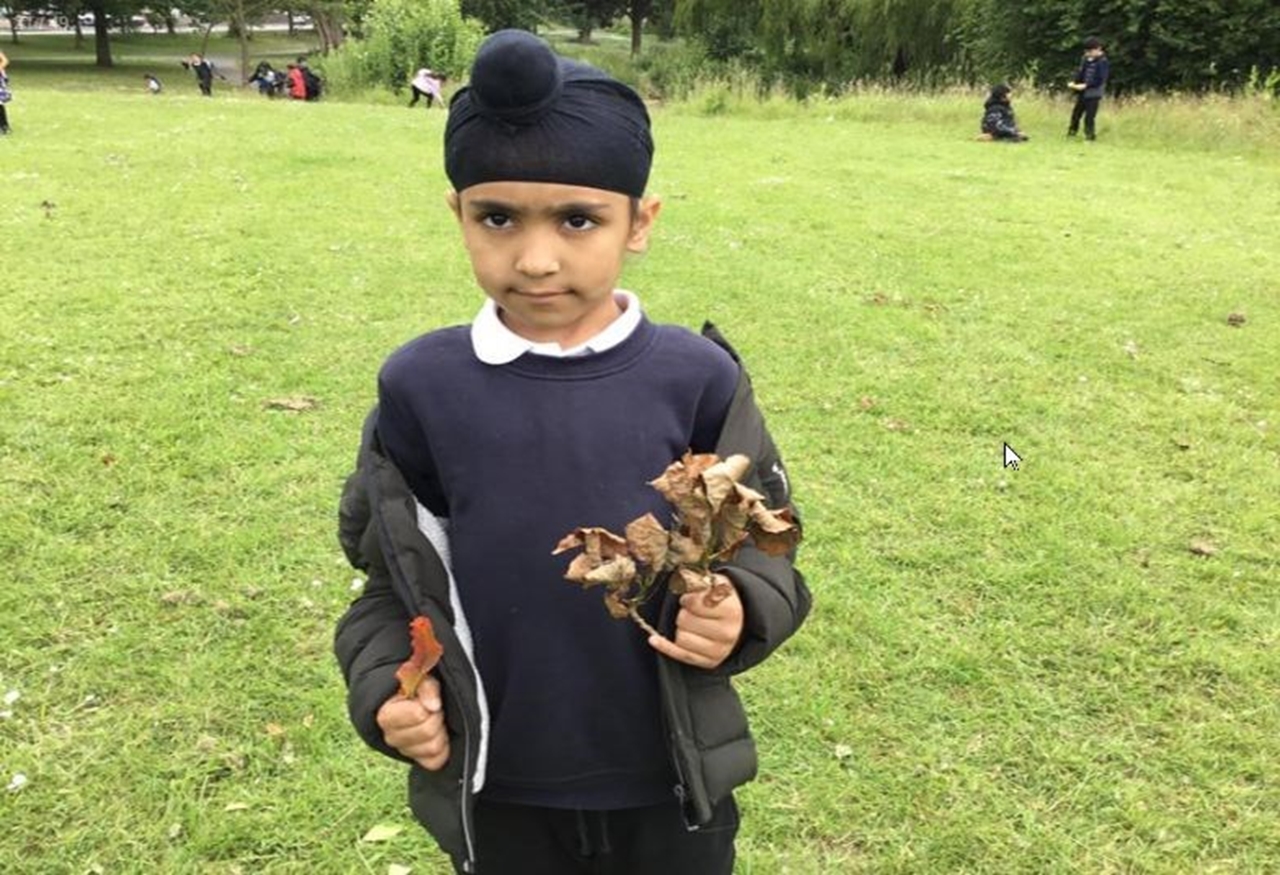
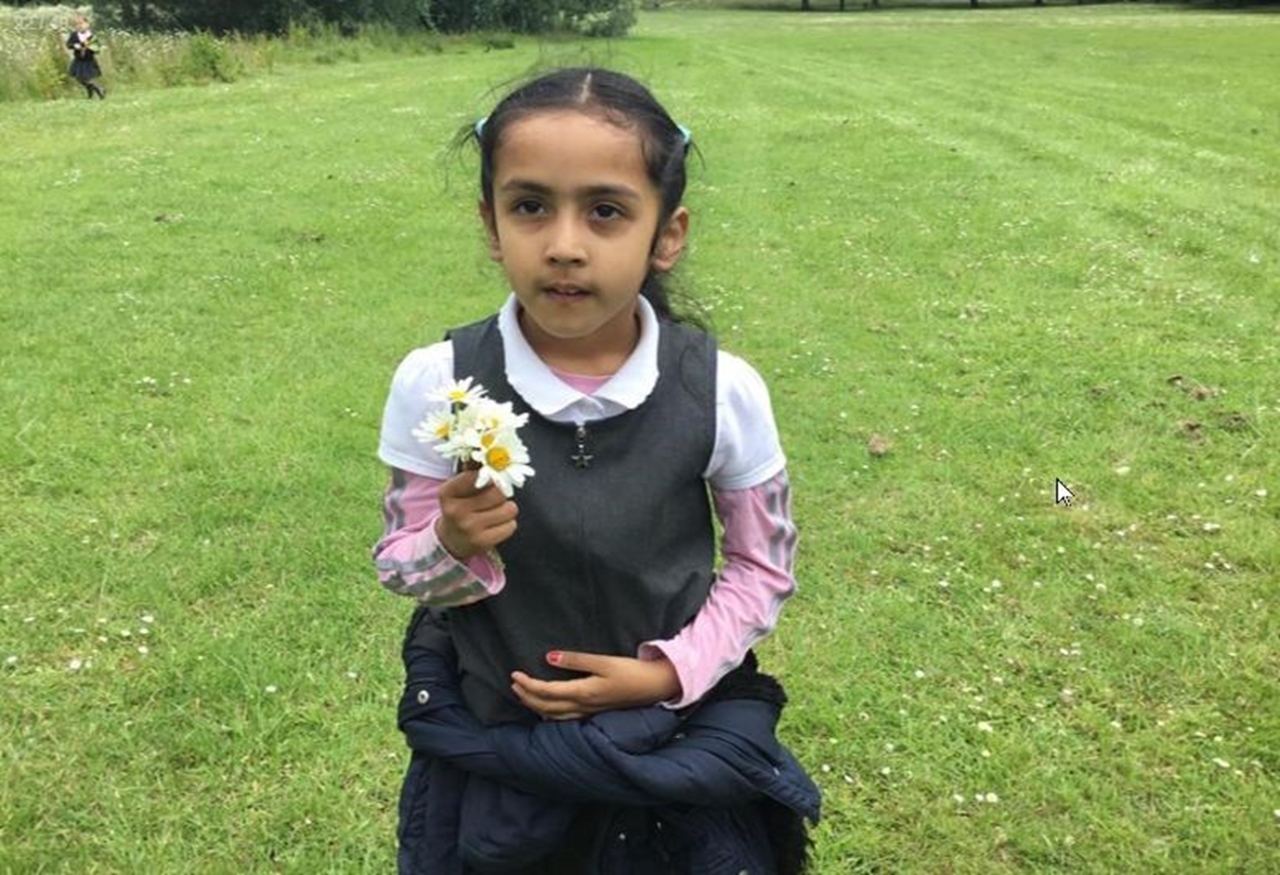
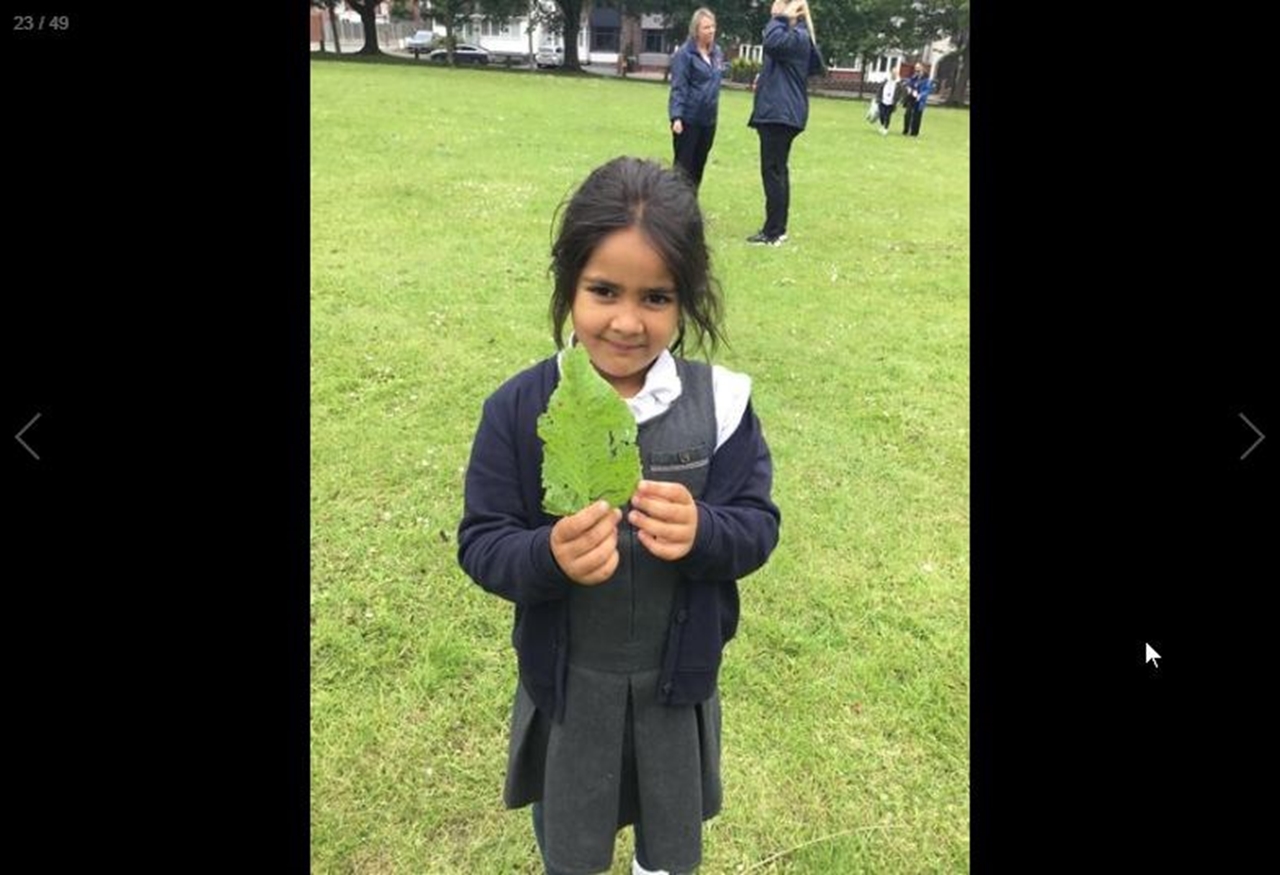
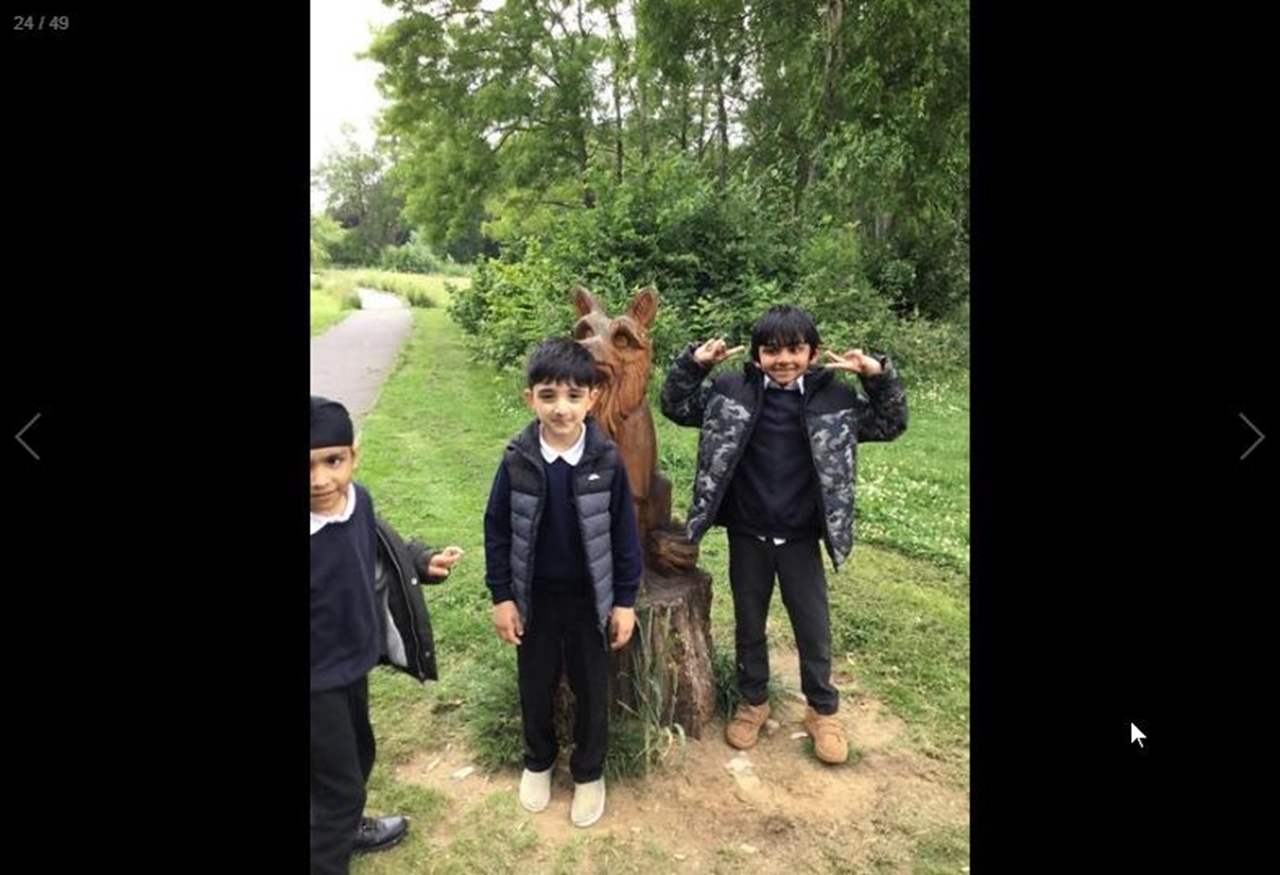
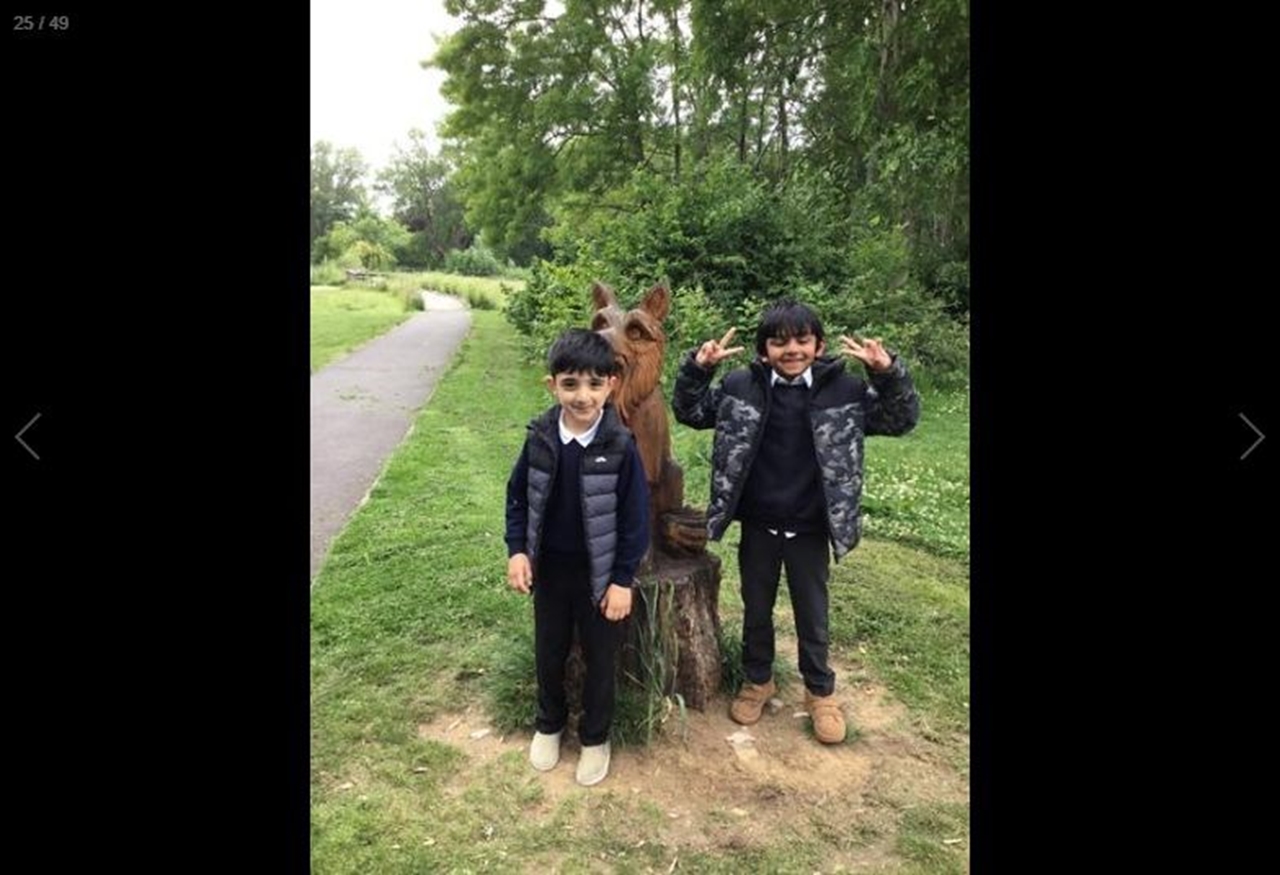
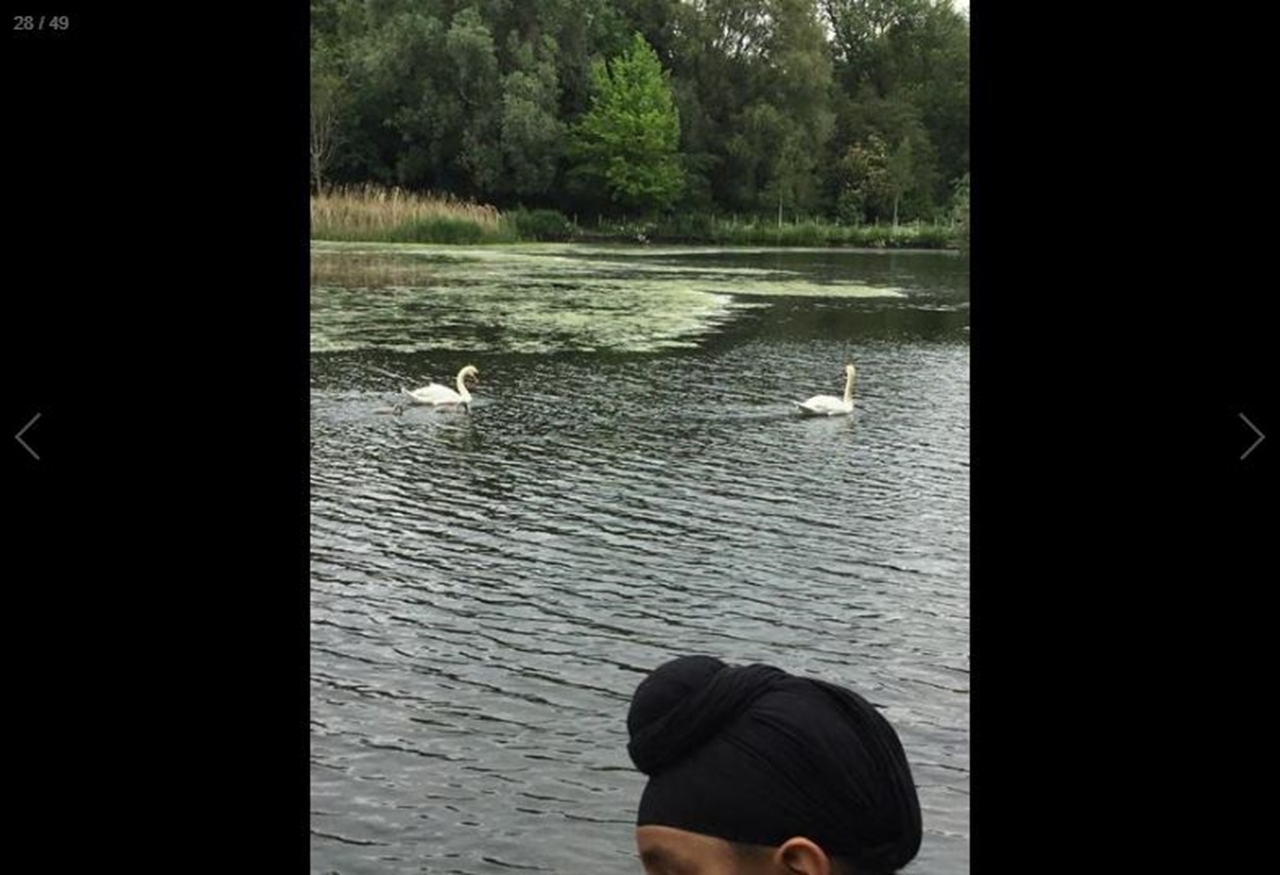
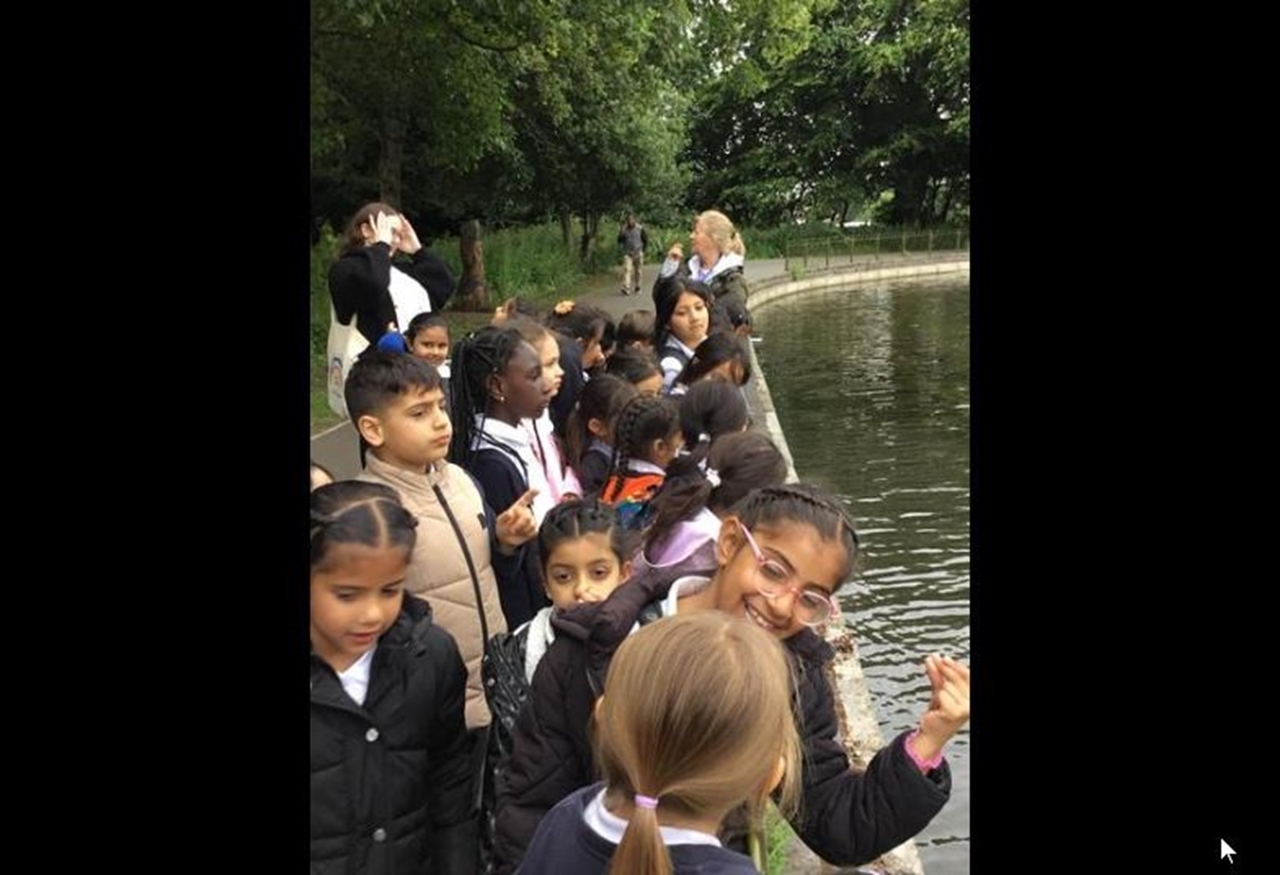
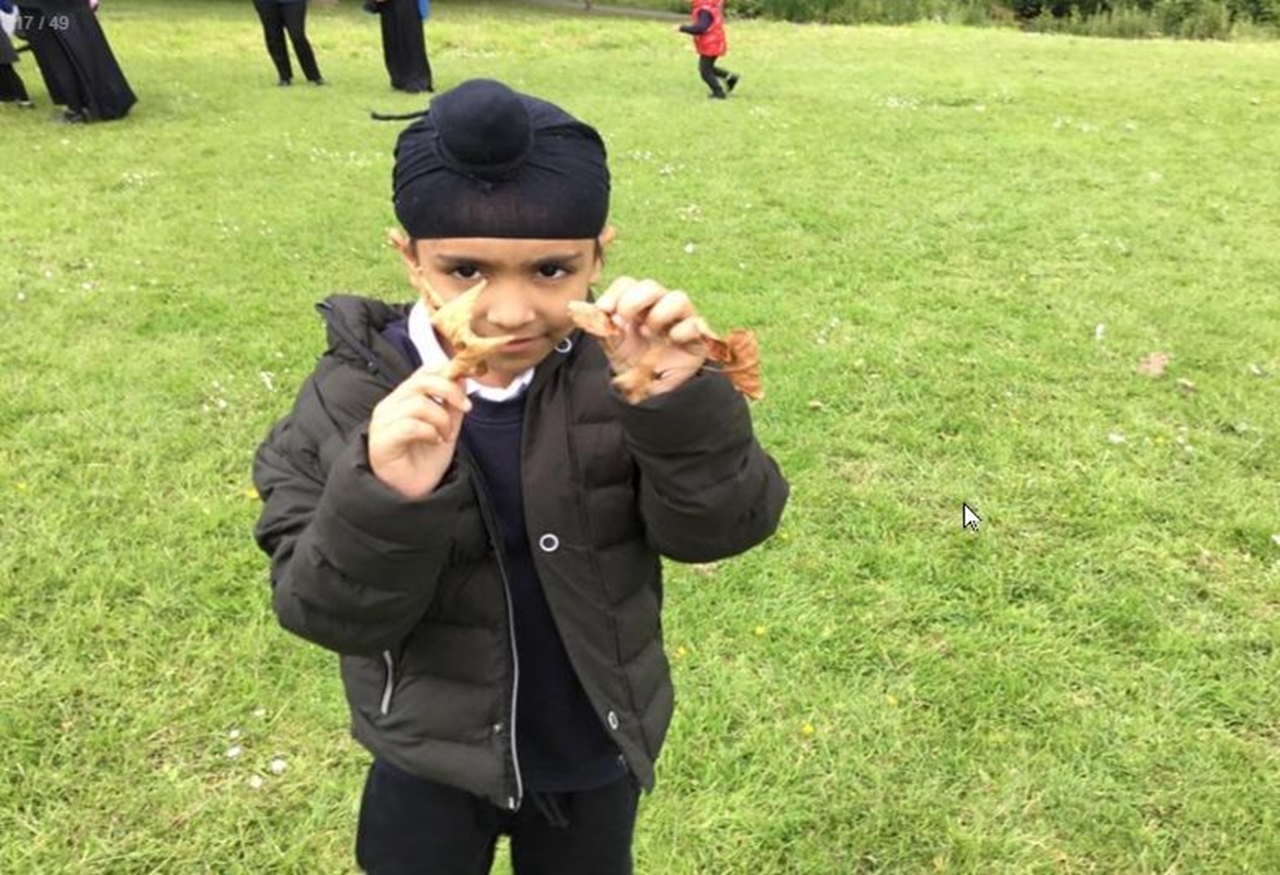
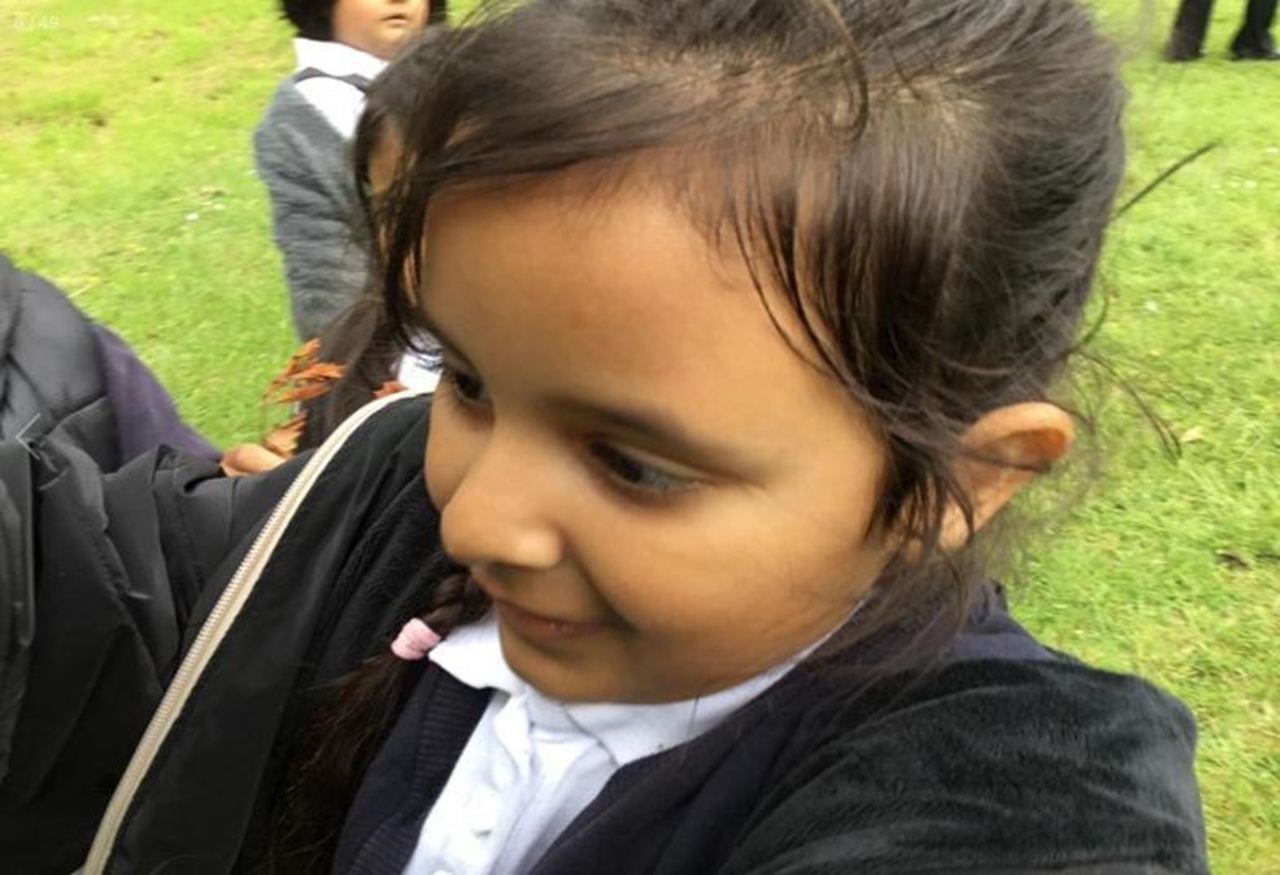
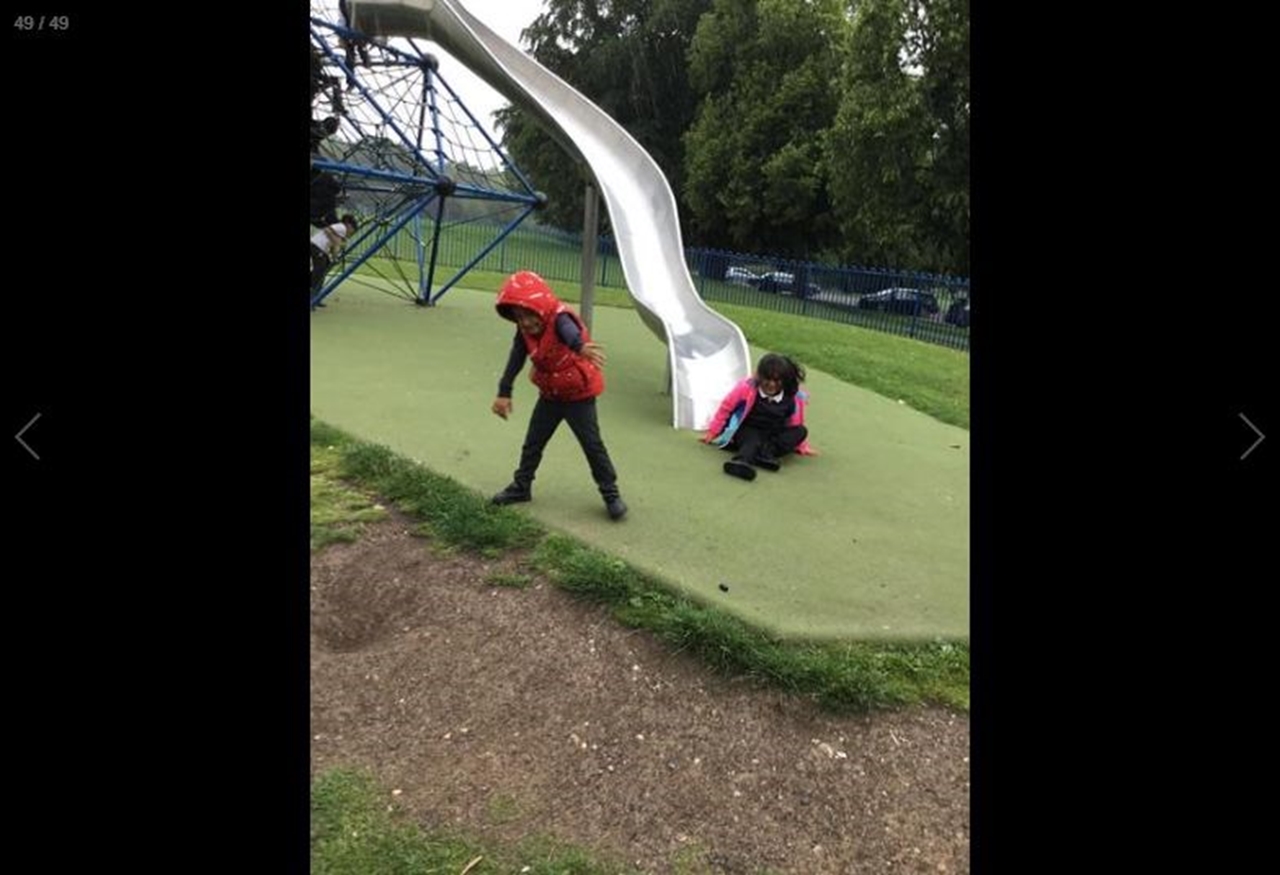
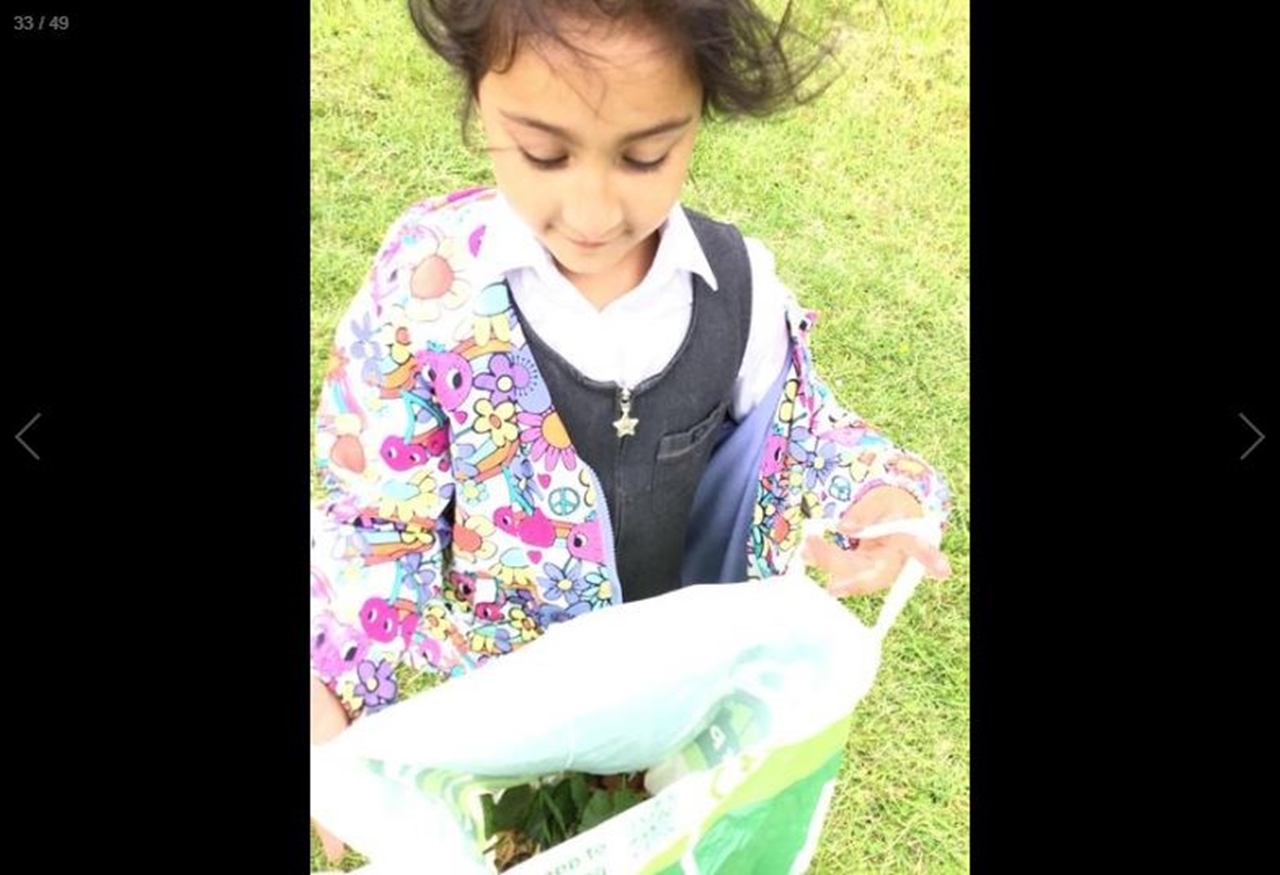
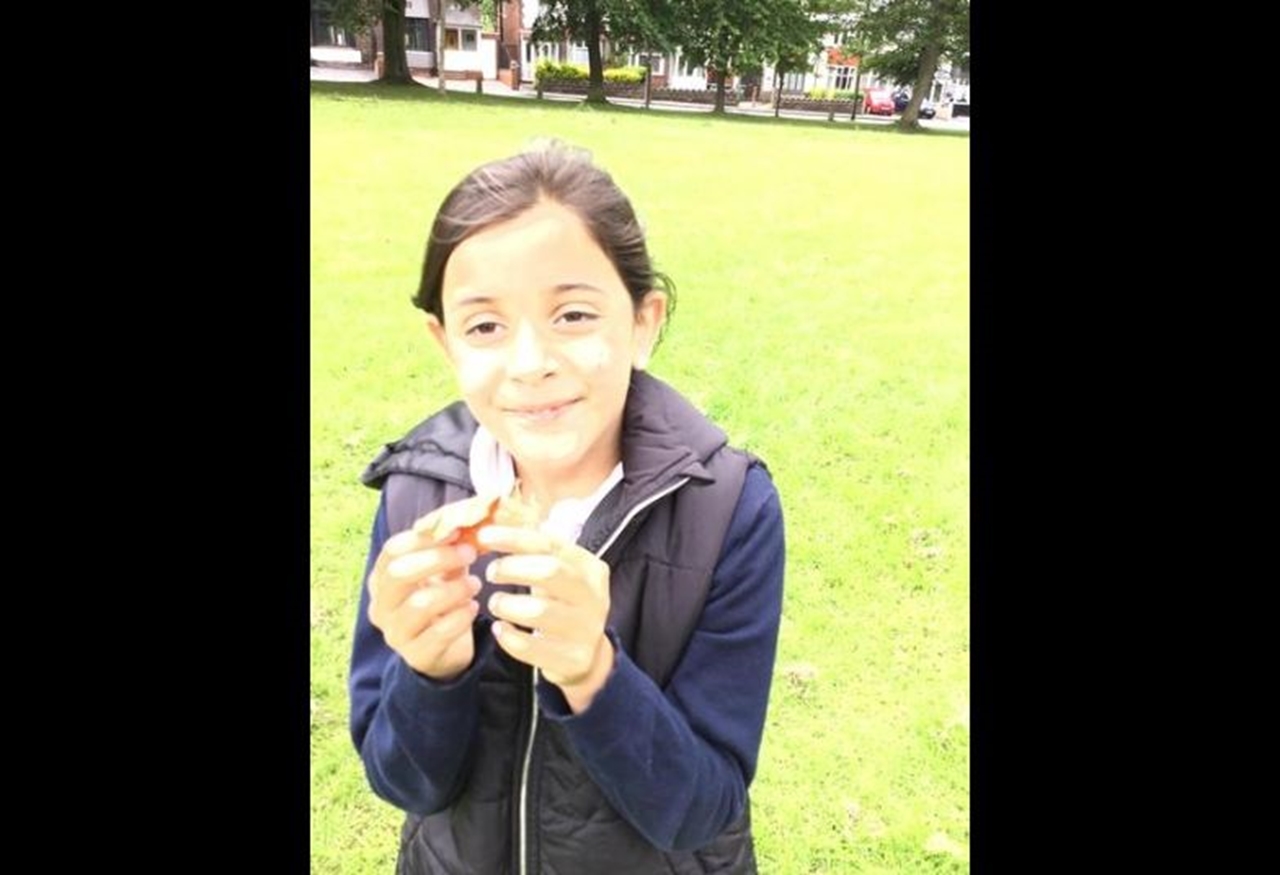
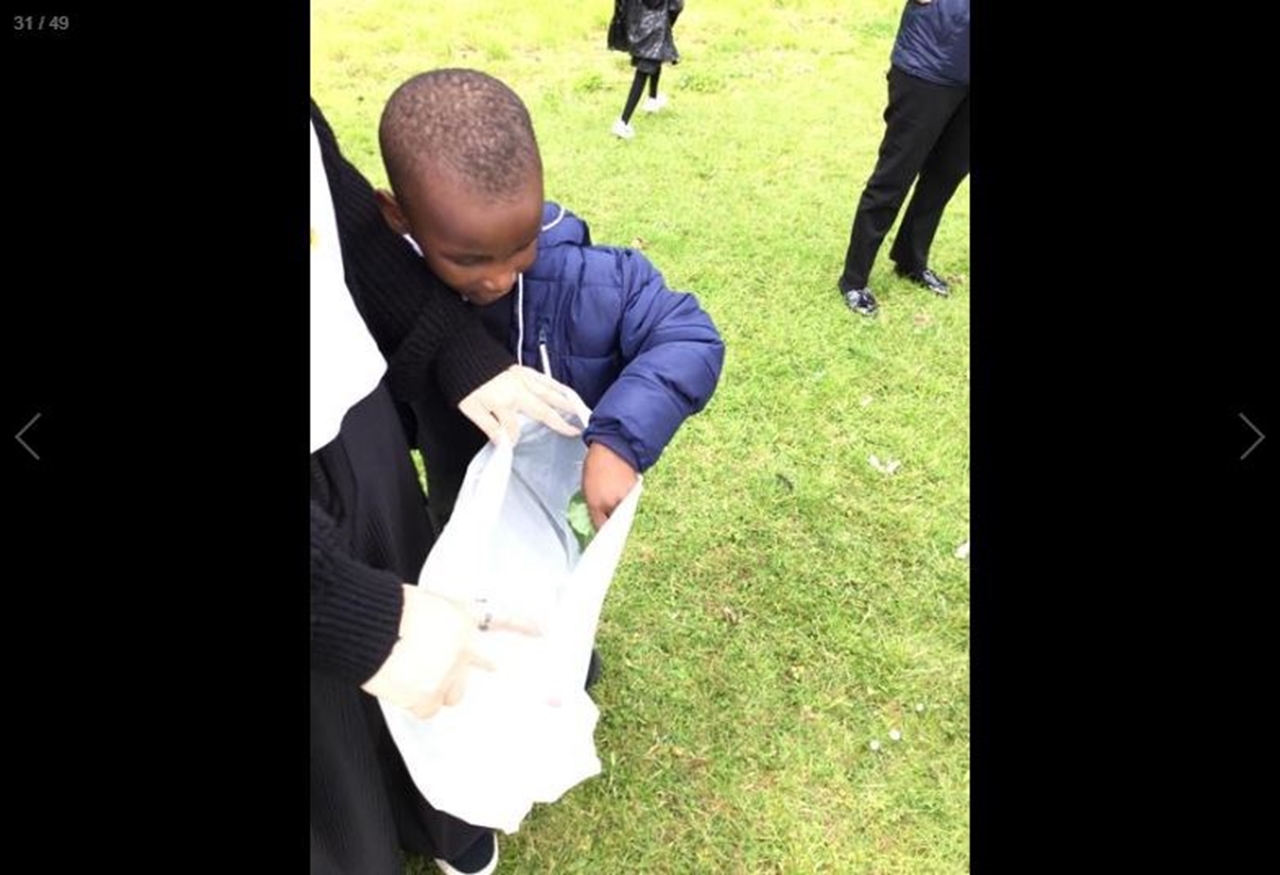
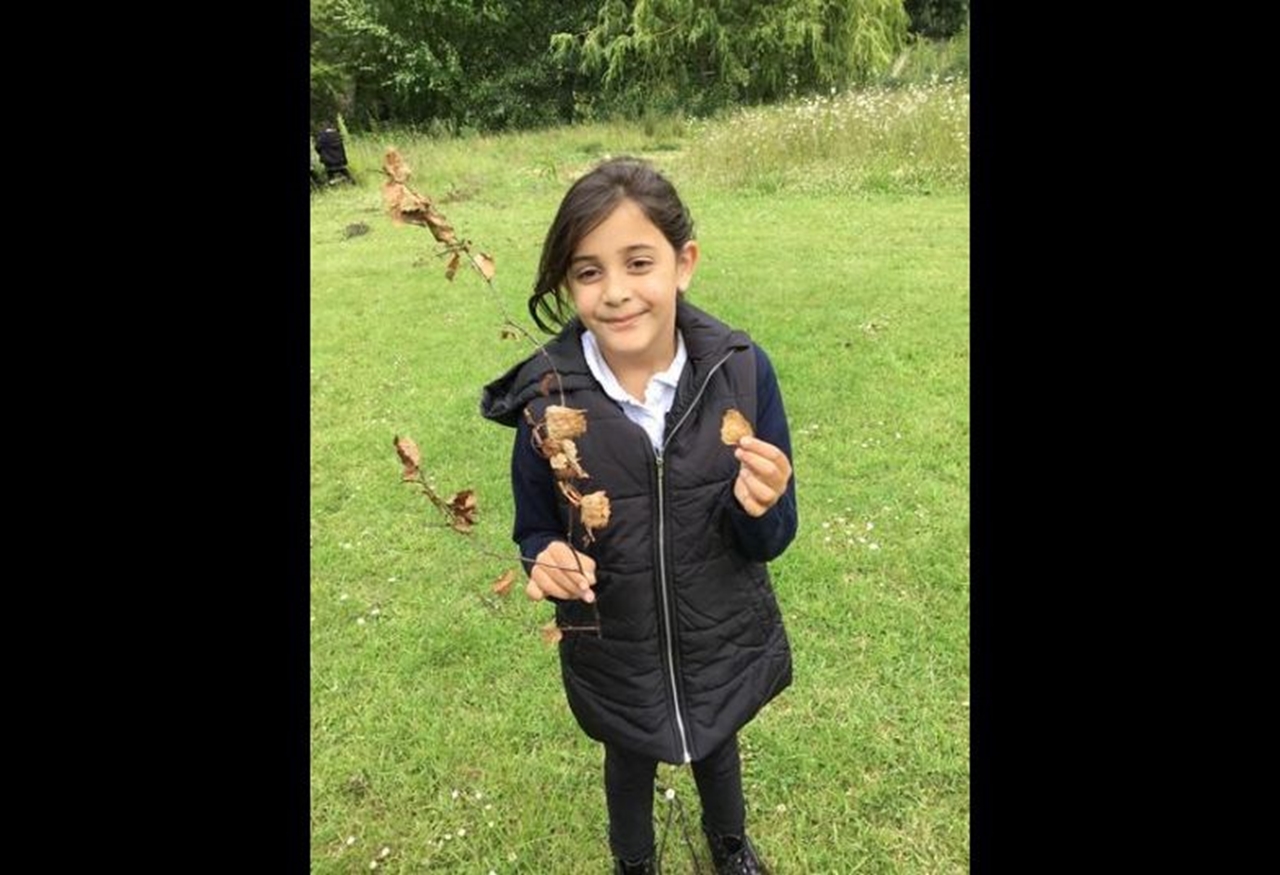
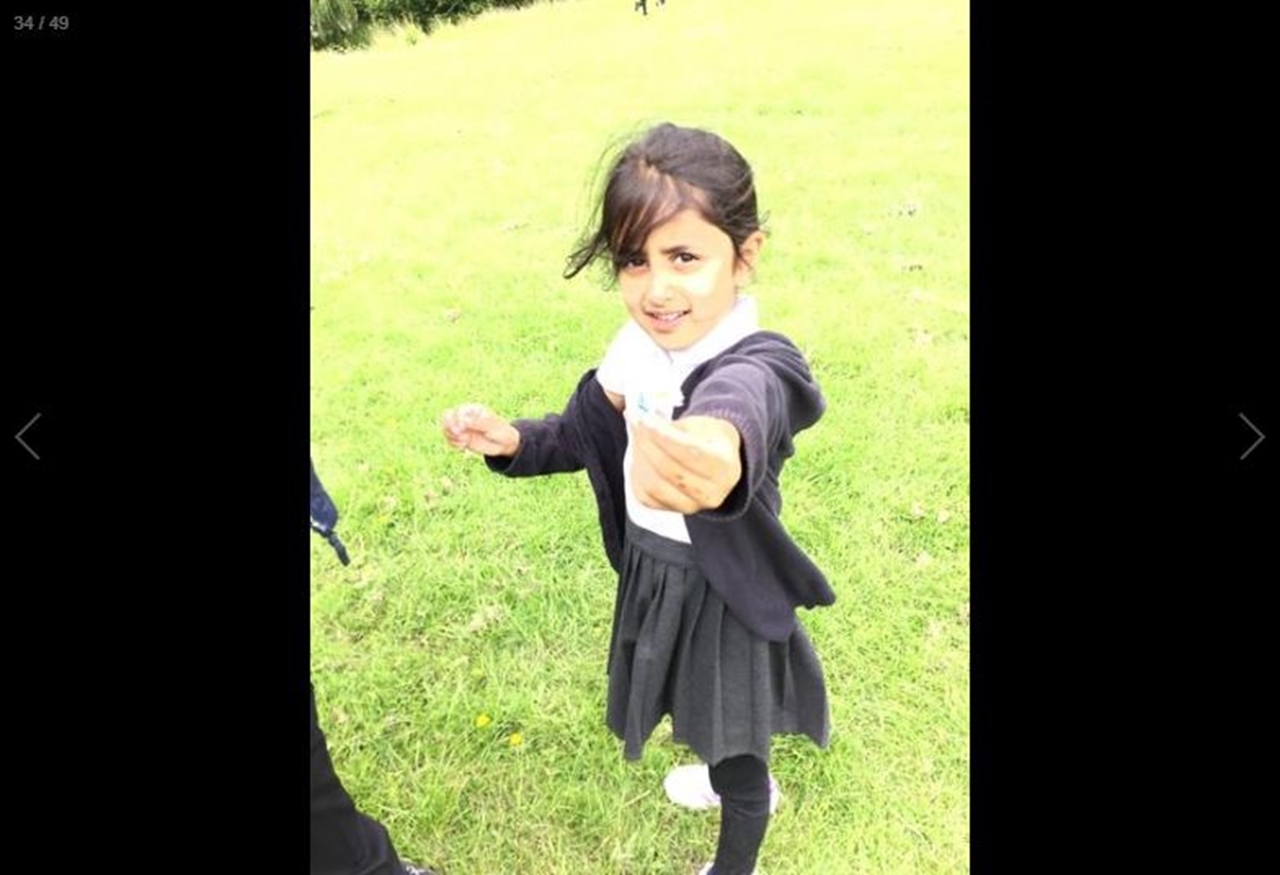
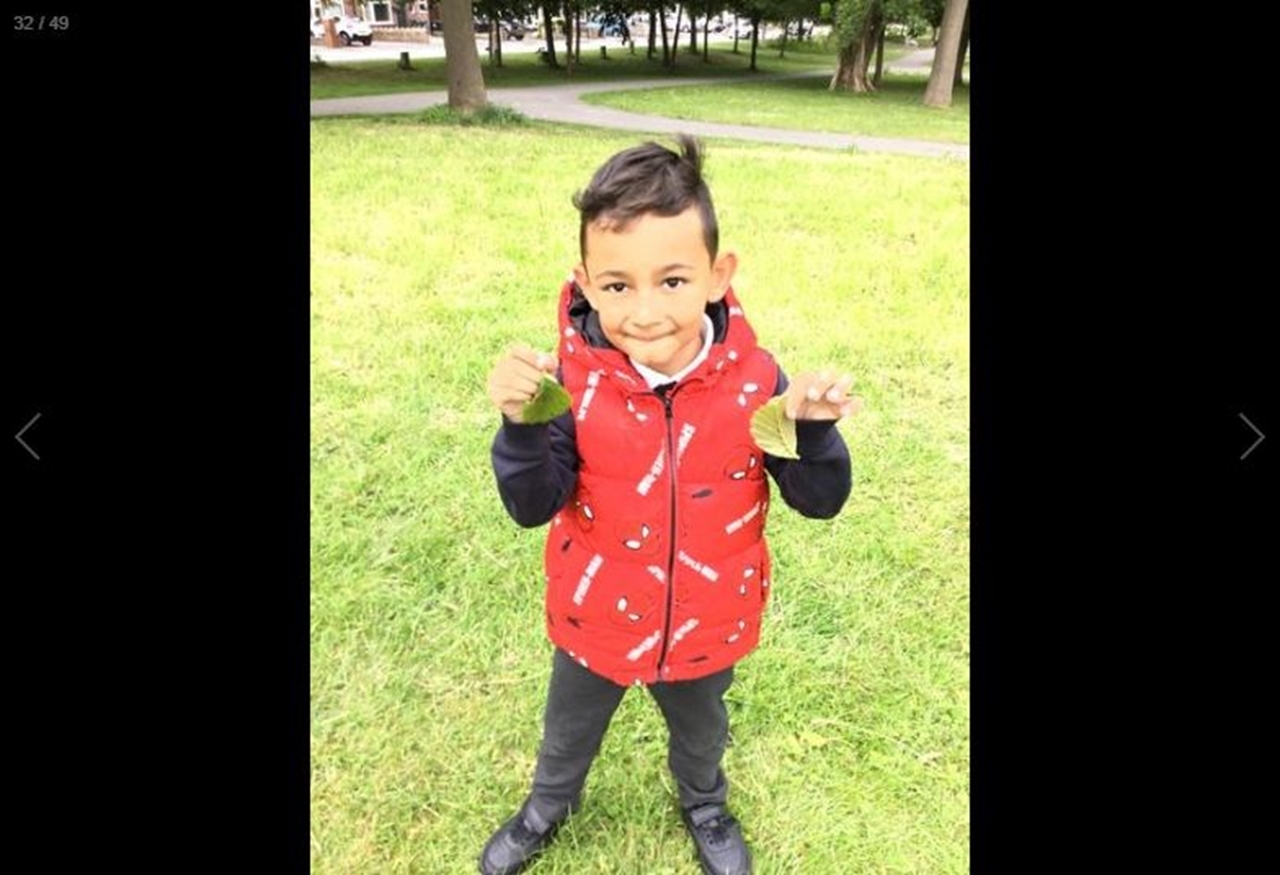
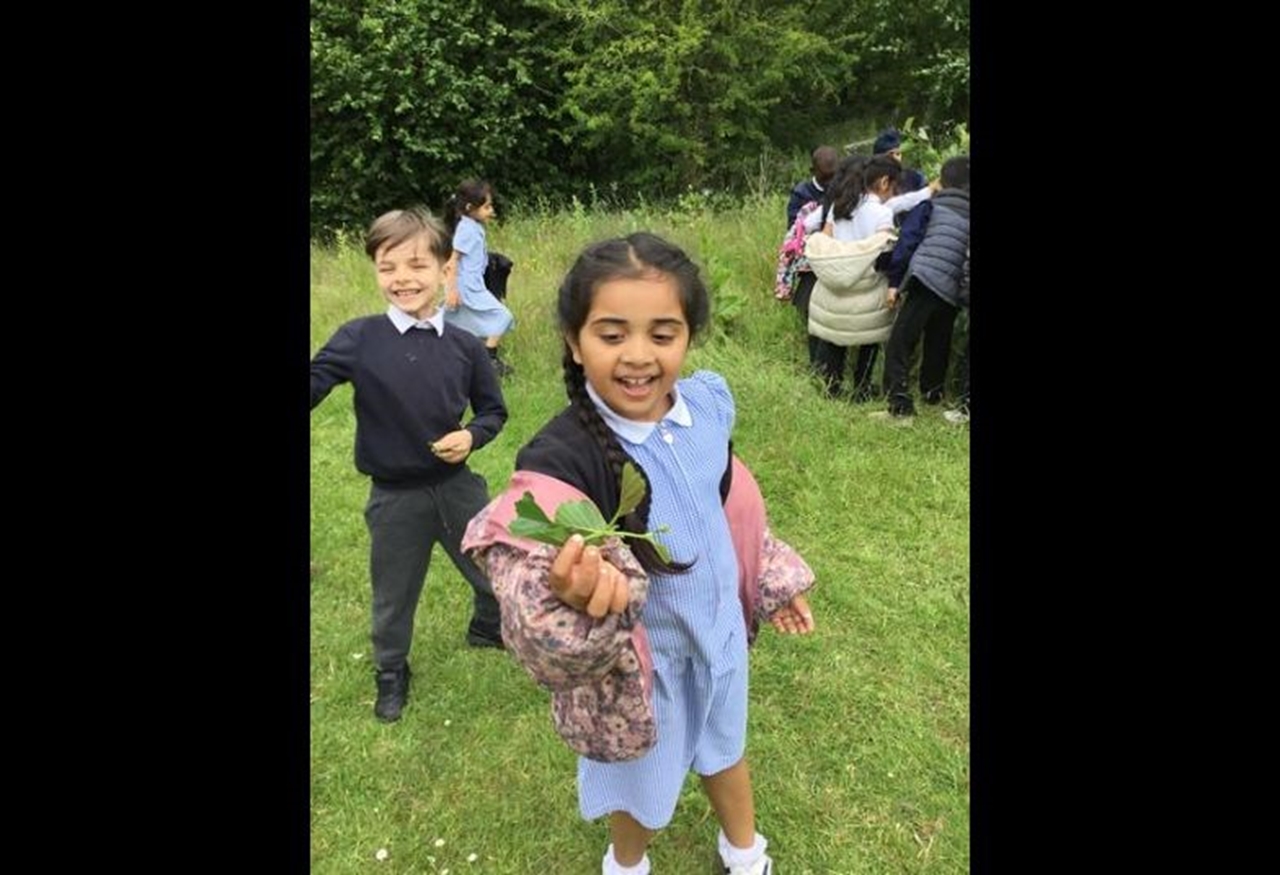
West Smethwick Park Trip

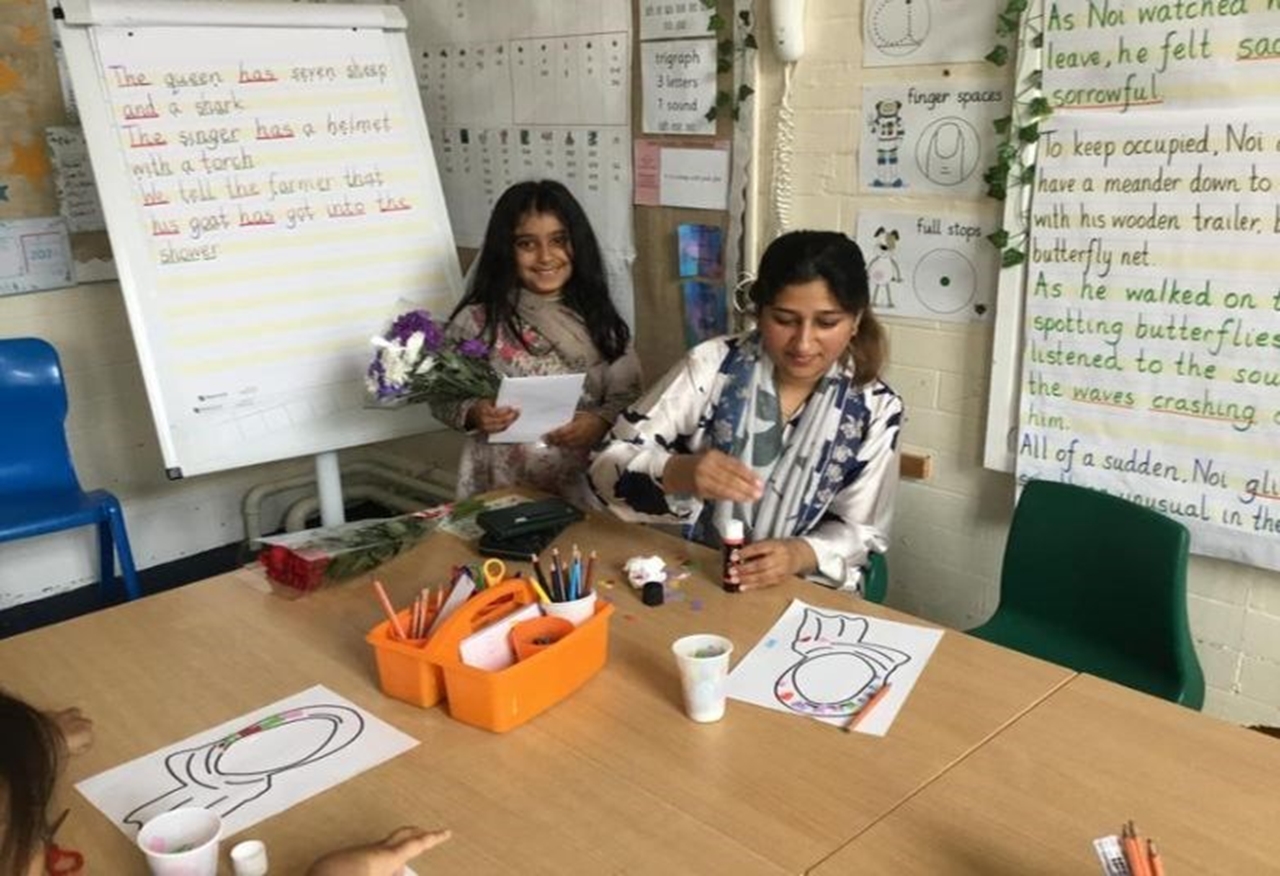
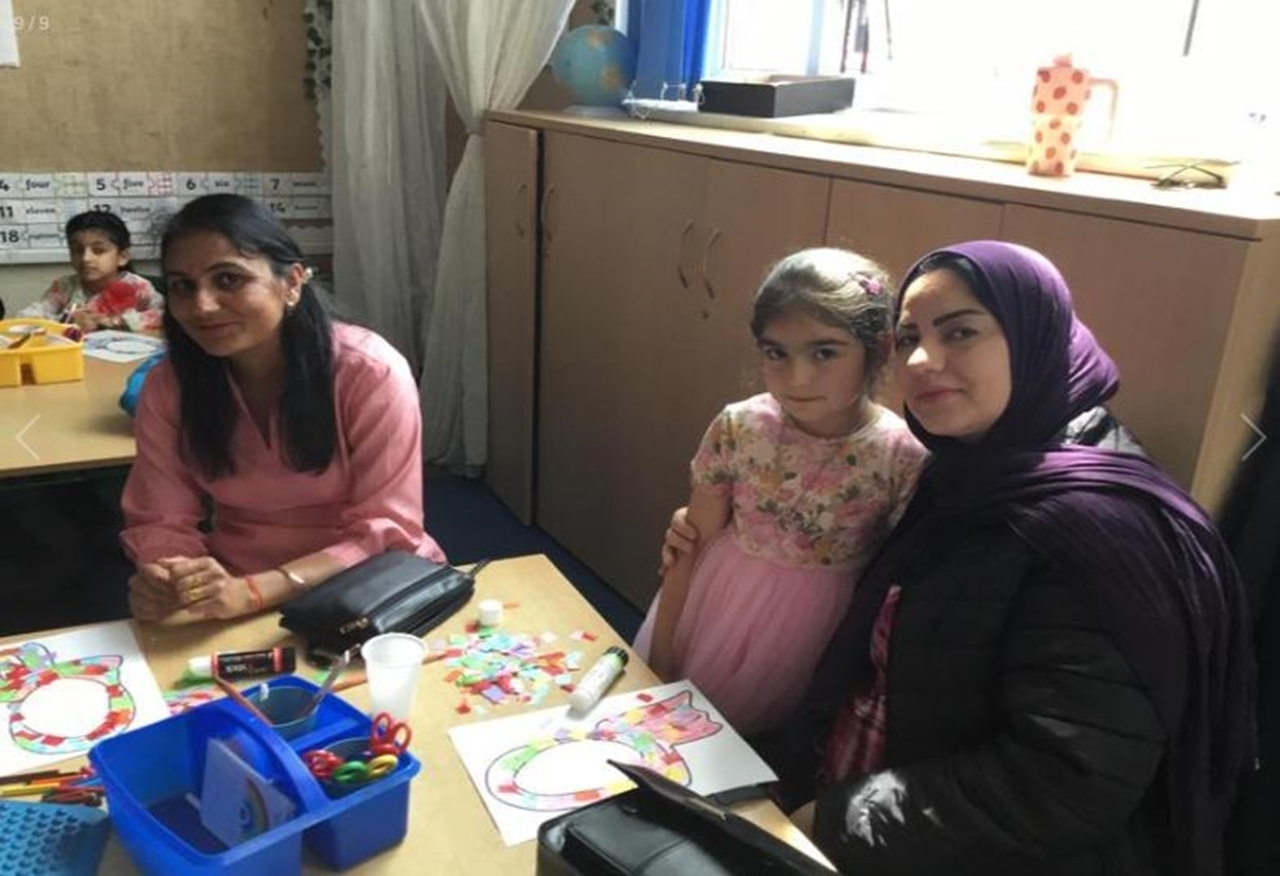
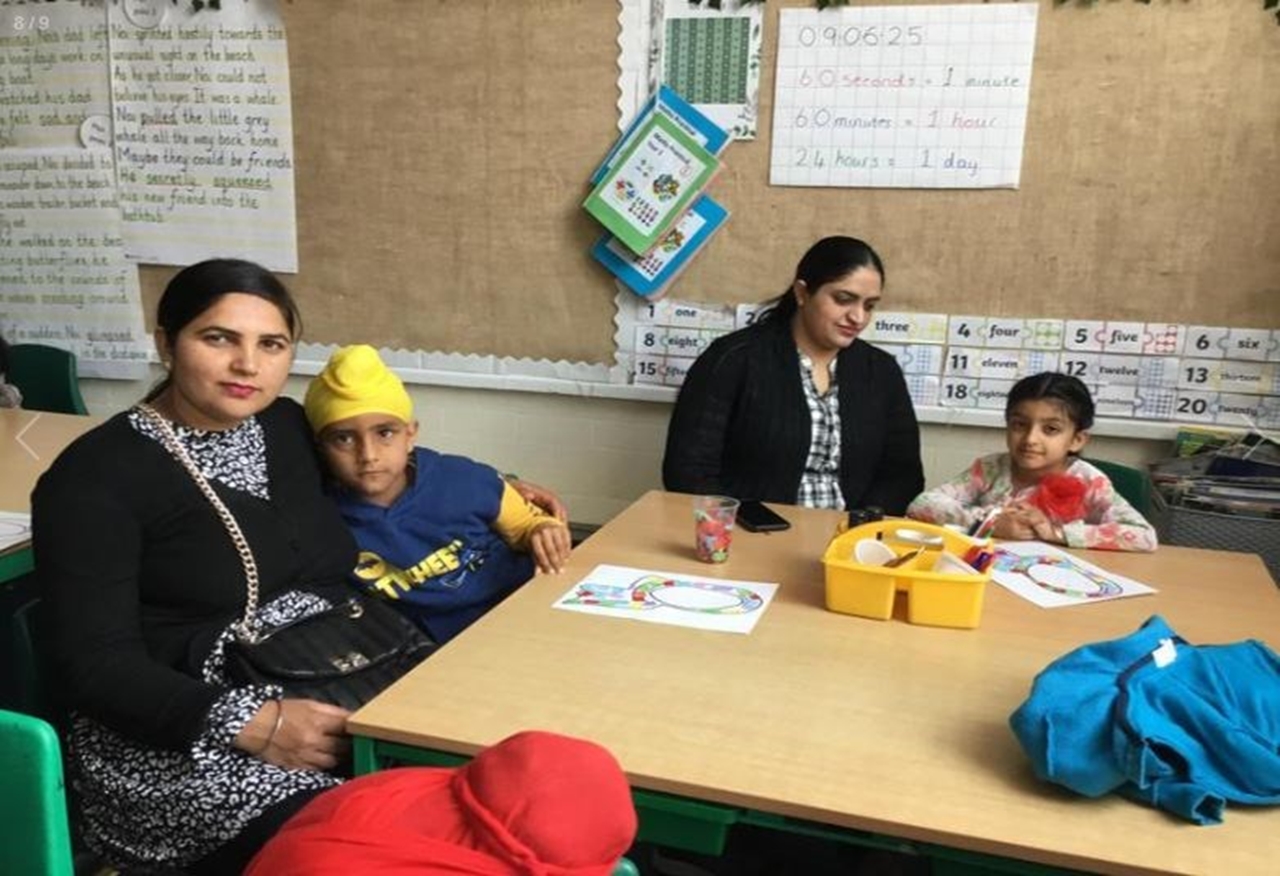
Eid Festival-Culture day 2025

Important Information

  • ​​Uniform: Students must wear the correct uniform, as displayed on the school website.
  • P.E. Kits: Must be in a labelled bag, with P.E. sessions on Mondays.
  • Earrings: Must be removed or covered on P.E days., and only stud earrings are allowed at all times.
  • Water Bottles: Must be brought to school every day.
  • Homework: Including phonics books and reading-for-pleasure books, must be handed in by Tuesday each week.

Any questions please do not hesitate to speak to a member of the Year 1 team. 

Phonics and reading

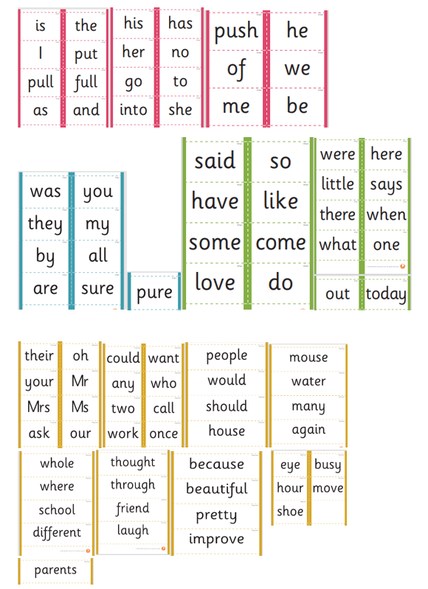
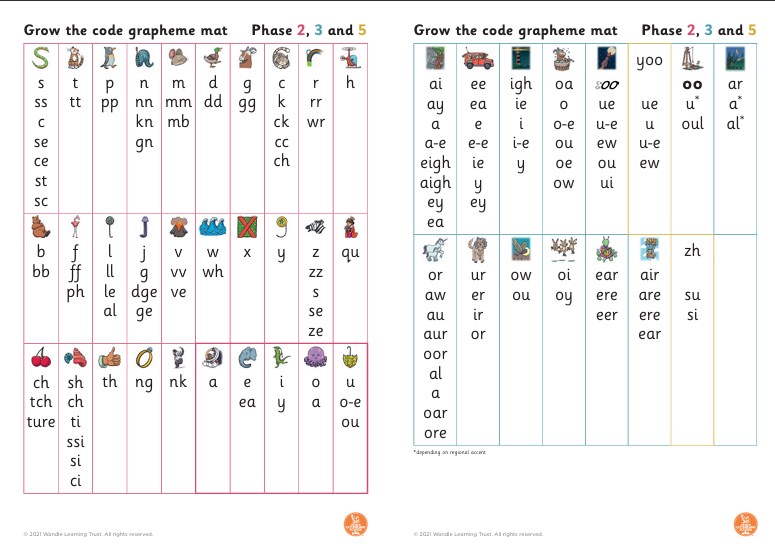
We follow the Little Wandle programme for our daily phonics and reading sessions. 

Here are sounds we look at in Year 1. 


School Life iOS Mobile Application
A School Life Website
School Life Android Mobile Application

© Rood End Primary School. All rights reserved. Powered by School Life